





Time rules features
Time rules in LiveAgent are time-based automation tools for tasks like help desk clean-up and email reminders. They enhance efficiency by automating repetitive ...
6 min read

CRON jobs automate server tasks to enhance efficiency in customer service. Learn to set them in LiveAgent for tasks like sending emails or checking site content. Start a free trial to explore these features.

CRON jobs help you schedule and run certain tasks on your server. Cron jobs are used to automating tasks that run on the background periodically, e.g. in web applications like LiveAgent. Cron is a time-based task or job organizer in operating systems based on Unix (Mac OS, Linux, FreeBSD etc.). These scheduled jobs or tasks are referred to as Cron Jobs.
There are various circumstances when an online app may need certain tasks to run habitually. For example, sending emails in bulk or fetching data.
CRON jobs operate on a schedule defined by a cron expression. The basic syntax of a CRON job is:
*/5 * * * * /usr/bin/php /www/virtual/username/cron.php > /dev/null 2>&1
This example runs a PHP script every 5 minutes. The five asterisks represent:
CRON jobs are incredibly versatile and can be used for many purposes:
If you have a site where accounts have expiration dates, CRON can be programmed to automatically deactivate or delete account data when they expire.
One of the most common uses is the mass sending of daily emails. CRON jobs can automatically send newsletters, notifications, or reminders at scheduled times without manual intervention.
You can use CRON Jobs to check the content of your website. CRON Jobs can help you find broken links, validate content, or perform regular backups of your data.
CRON jobs can fetch data from external sources, process information, or clean up old data from your database on a regular schedule.

Start your free trial today and see results within days.
When implementing CRON jobs, keep these best practices in mind:
CRON jobs are a powerful tool for automating server tasks and improving the efficiency of your web applications. Whether you’re managing account expirations, sending bulk emails, or maintaining your website, CRON jobs can help streamline your operations. By understanding how to set up and manage CRON jobs in platforms like LiveAgent, you can automate critical processes and focus on growing your business.
Schedule automatic actions and workflows with LiveAgent's automation features. Save time with smart scheduling and recurring tasks.
Time rules in LiveAgent are time-based automation tools for tasks like help desk clean-up and email reminders. They enhance efficiency by automating repetitive ...

Email automation enhances engagement, customer retention, and sales efficiency. LiveAgent integrates with 180+ tools to streamline marketing workflows. Automate...
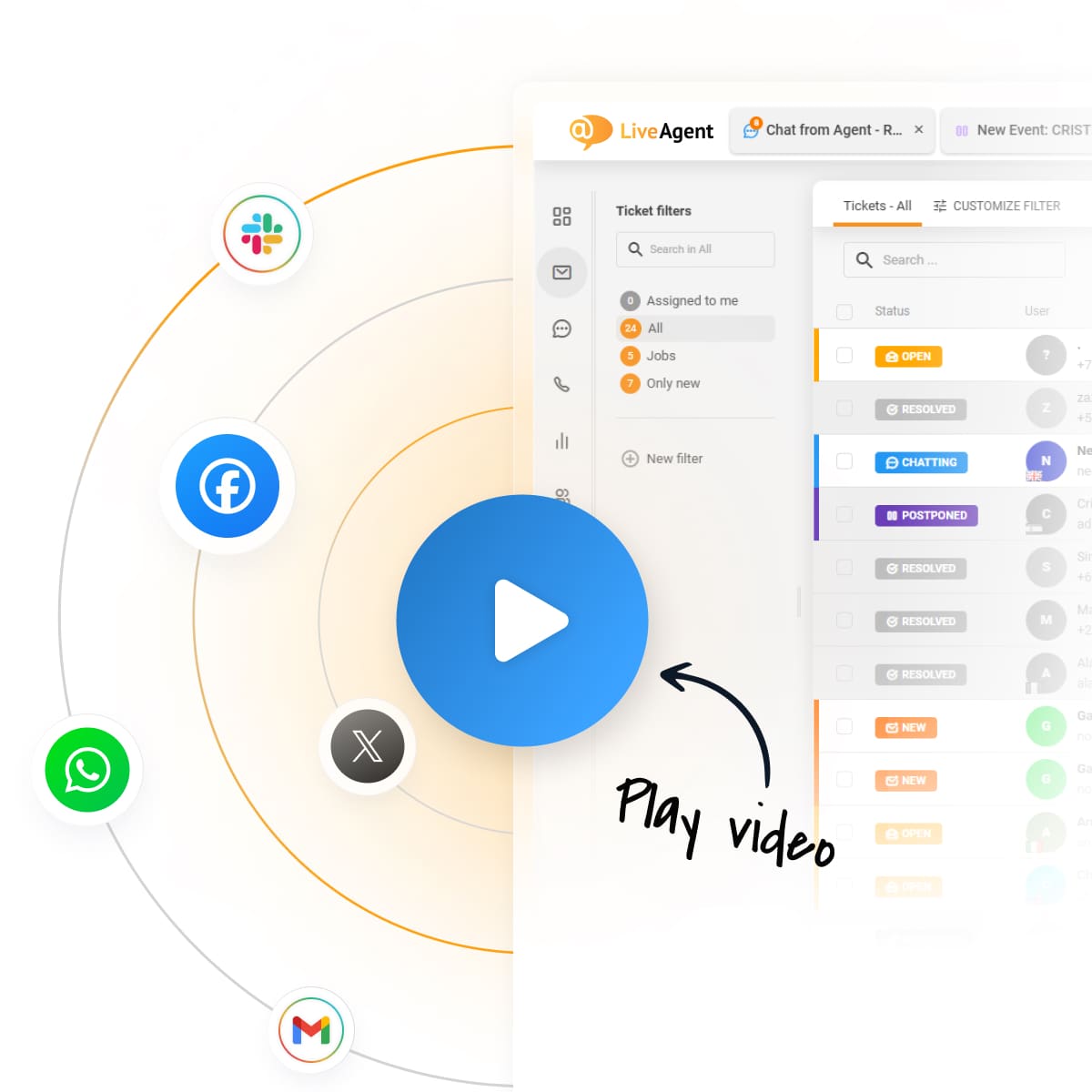
Discover how time-based events in LiveAgent automate tasks, boost workflow efficiency, and enhance customer satisfaction. Learn about time rules, automation, an...
Join our community of happy clients and provide excellent customer support with LiveAgent.
Cookie Consent
We use cookies to enhance your browsing experience and analyze our traffic. See our privacy policy.