



Coupon Email Templates
Boost sales and loyalty with customizable coupon email templates. Learn to implement effective coupon strategies and engage customers to drive conversions with ...
5 min read
LiveAgent
Email Marketing
+1
Boost profits with effective discount email campaigns! Learn to craft engaging discount offers, attract new customers, increase loyalty, and grow your business. Discover templates, tips, and strategies for writing, requesting, and responding to discount emails.
Well-executed discount campaigns attract new customers, increase the loyalty of existing customers, and grow business profits. There is hardly any business, either in the B2C or B2B sector, that doesn’t offer discounts on their products or services every once in a while. Most businesses offer discounts because it can help them sell off-season stock, raise profits, and improve customer satisfaction at the same time. I mean, who doesn’t love it when they snag something they’ve been after for a lower price?
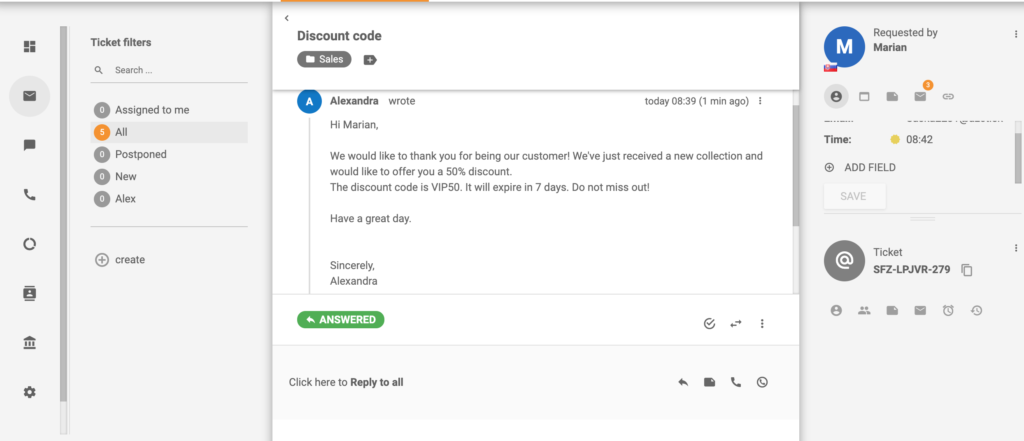
However, sometimes there are no discounts available, and that’s where it can get tricky. Dealing with discount negotiations is challenging for both consumers who request discounts and sales/customer service teams that need to satisfy their customers’ expectations without destroying their business’s profit margins. In this article, we’re going to discuss:
Based on the stage your business is in, the number of customers you have, the types of products you offer, and your pricing strategy– discounts can be a massive source of ROI or alternatively, create losses that will eventually impact your bottom line negatively. Here are some of the most critical things you need to keep in mind before launching any discount offers.
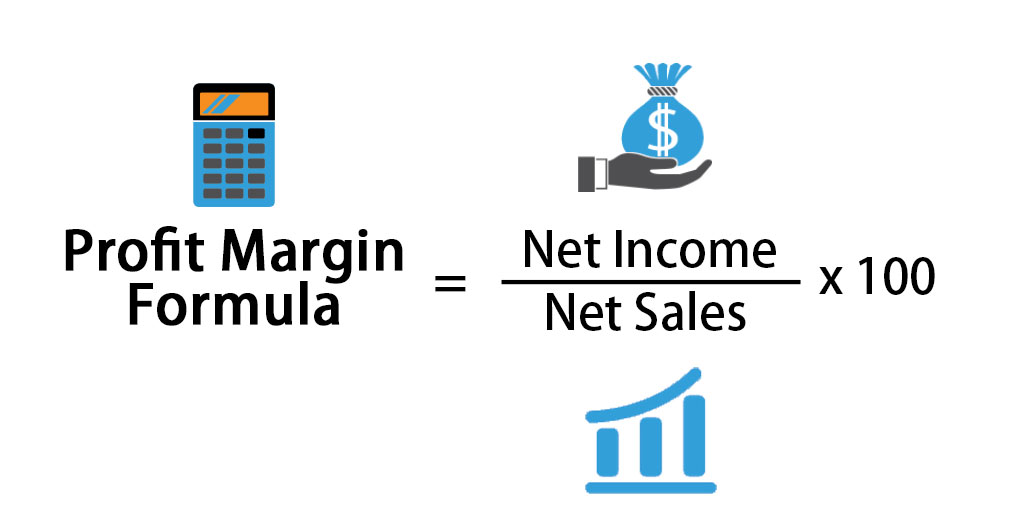
While offering 50% off certain items may seem attractive, you need to be sure you always have a profitable margin, otherwise, you may end up losing money with your discount offer strategy. Crunch the numbers before launching any type of discount campaign to determine what you can comfortably afford to offer your customers while still making a profit from each sale.
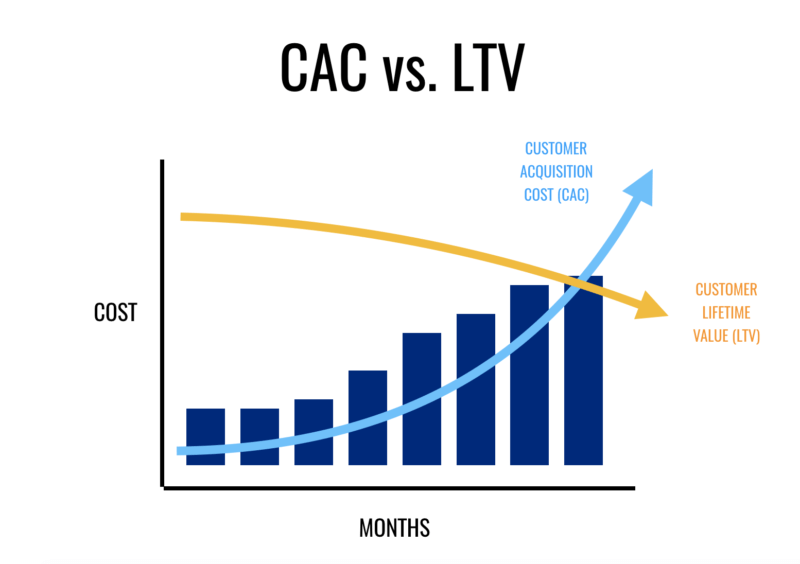
Offering discounts can be a surefire way to attract new customers, however, it will also affect your typical customer acquisition costs. To get the maximum value from your discount campaigns, make sure to convert new customers into loyal buyers by nurturing your relationship with them. Doing so will increase their lifetime value and justify the higher customer acquisition cost.
Before running any sales campaign in an effort to gain new customers, consider whether your discounts will actually attract the type of customers you really want. Remember that big discounts are likely to attract deal shoppers, meaning your newly attracted buyers aren’t going to convert into long-term customers in the future.
While sales discounts can be an effective means of generating quick revenue, make sure you’ve carefully considered all the risks and potentially disastrous pitfalls. Consumers can get used to price reductions quickly and many won’t stick around when your prices go back to normal or increase. Besides, discounts may project your own lack of confidence in your brand and establish a lower perceived value for your products.
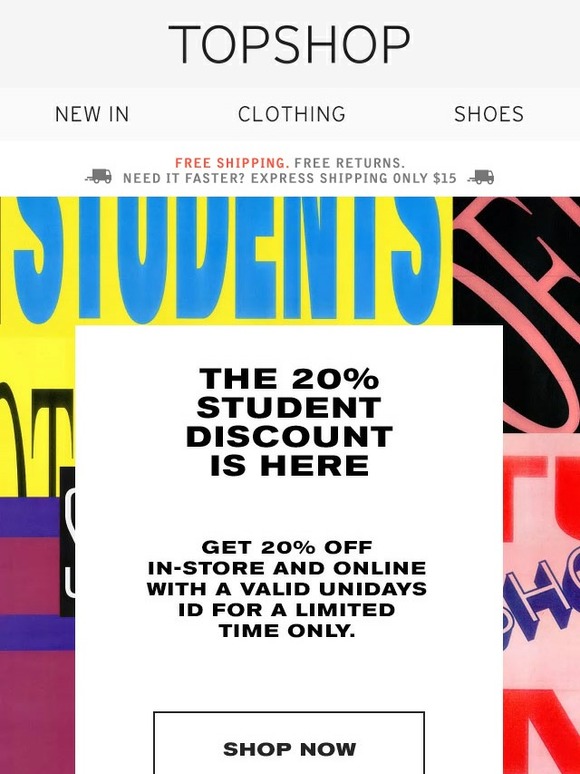
Offering discounts to everyone can be a huge risk to your overall profit margin. Consider offering exclusive discounts to specific customer groups instead (like students, healthcare workers, military, etc.). In this manner, you can leverage discounts and grow your customer base without hurting your margins or diminishing your brand value.
Even though your marketing efforts strive to convince customers and prospects that your product is helpful and will improve their life – discounts can often undermine your product’s value. That is why you need to think about how you will demonstrate your product’s value and retain your customers once the discount is over.
‘Apple is a brand built on newness and urgency, so while their products never go on sale, you can get a discount for trade-ins or upgrades which keeps customers loyal."
Erin Sykes, a retail and sales strategist
As the name suggests, a discount offer email is used to inform your customers about a special discount. It can be a general discount for all items in your store, as well as a coupon or a discount code that’s available to use at checkout. Offering discounts is a common practice that’s used by all businesses because it brings in real results. Here’s a handful of statistics that support this statement:
Interestingly enough, there is neuropsychological research to prove that coupons make customers happier. A study from the Claremont Graduate University has shown that receiving a 10% voucher can increase oxytocin levels by up to 38%, and participants who have received coupons were also 11% happier and felt more relaxed. So, how can you implement discount codes into your marketing strategy? The easiest way is through email campaigns.
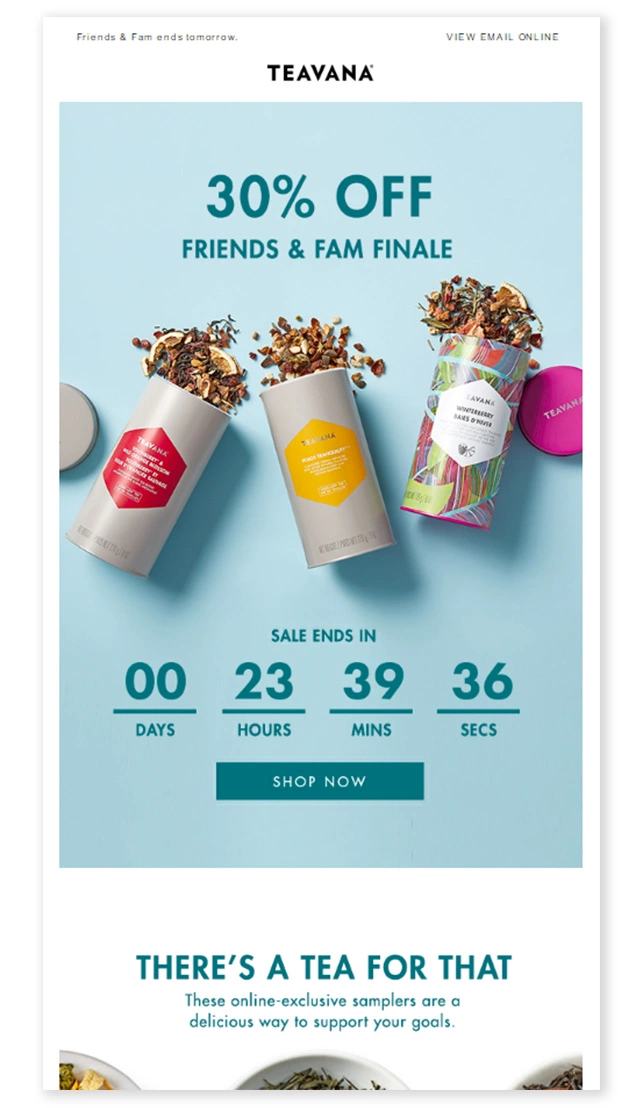
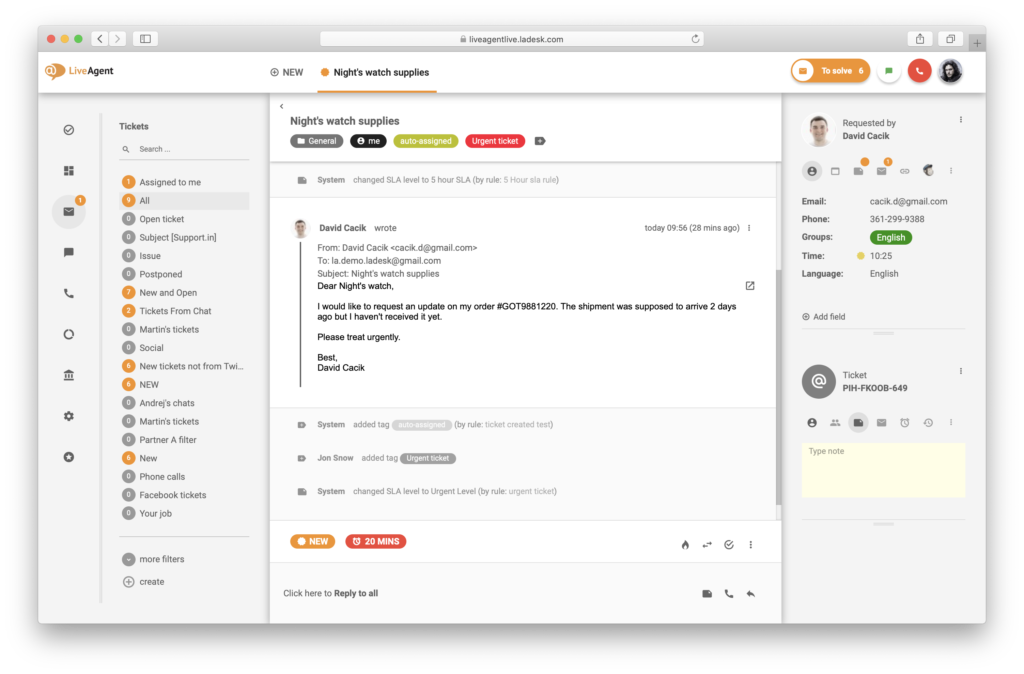
Starting from a blank page can be daunting and frustrating. To help you out, we’ve created a list of tips to keep in mind when writing discount offer emails. If you still don’t feel like writing your own discount emails, scroll down and copy and paste our ready-to-use discount offer email templates.
Subject line ideas:
Hello [name],
Thank you for being joining our subscription list! We’re thrilled to offer you a special discount on our [products]. Please use the code below at the checkout to activate your X% discount:
[code]
The discount offer is valid until [date]. Have a great day,
[name of the company/employee]
Subject line ideas:
Hi [name],
We’re so happy to have you on board! As a thank you, we’ve got a special X% discount just for you. Use [code].
The offer is valid until [date]. Hope you’ll enjoy it!
Best,
[name of the employee/company]

The latest tips and deals delivered straight to your inbox.
Subject line ideas:
Hi [name],
It’s a great time for shopping! [time frame: e.g., Today only, Until July 24th], all items in the store are X% off!
Don’t hesitate – the best deals are selling out fast!
Just use the discount code below at checkout:
[code]
Happy shopping,
[company name]
Subject line ideas:
Hi [name],
Now you can get [product name] for X% off! Simply use the code below to get X% off your plan:
[code]
Please let me know if you need any assistance. Hope you like the deal!
Best,
[employee name, company]
Subject line ideas:
Hello [name],
We’ve got good news for you: a special discount code for our [products/services]! Please find it below:
[code]
The code is valid until [date]. You can use it at the checkout!
Hope you enjoy it,
[employee name, company]
Subject line ideas:
Hello [name],
Welcome to the [company name] newsletter! To get started, we’ve got a little gift for you – a special discount code for our [products/services]:
[code]
Feel free to use it at the checkout. Hope you enjoy it!
Talk to you soon,
[company name] team
Subject line ideas:
Hi [name],
Have you heard of our limited-time offer yet? Only until [date], you can get X% off all [products/services]!
Don’t hesitate, as the best deals are selling out fast. Remember to use this discount code at the checkout:
[code]
Enjoy!
[company name] Team
There can be a variety of reasons why you might need or desire to get a lower price than proposed. Besides, everyone loves the potential savings and the feel-good factor of bargaining your way to a sweeter deal. More often than not, you can ask for a special price for just about anything and get it if you know how and when to ask. Let’s go over some tips that might help you get discounted prices from retailers, vendors, and service providers.
Doing a little online research is always a helpful thing to do before you start bargaining. It will give you a better understanding of what you want, what competitors are currently offering, what a reasonable price would be and what you can leverage to persuade a seller/vendor to give you a discounted price.
Remember that there are certain times – like the end of the day, the end of the month, the end of the financial year, or after the holidays – when you have a higher chance of getting a discount since salespeople are keen to strike last-minute deals to meet their sales targets.
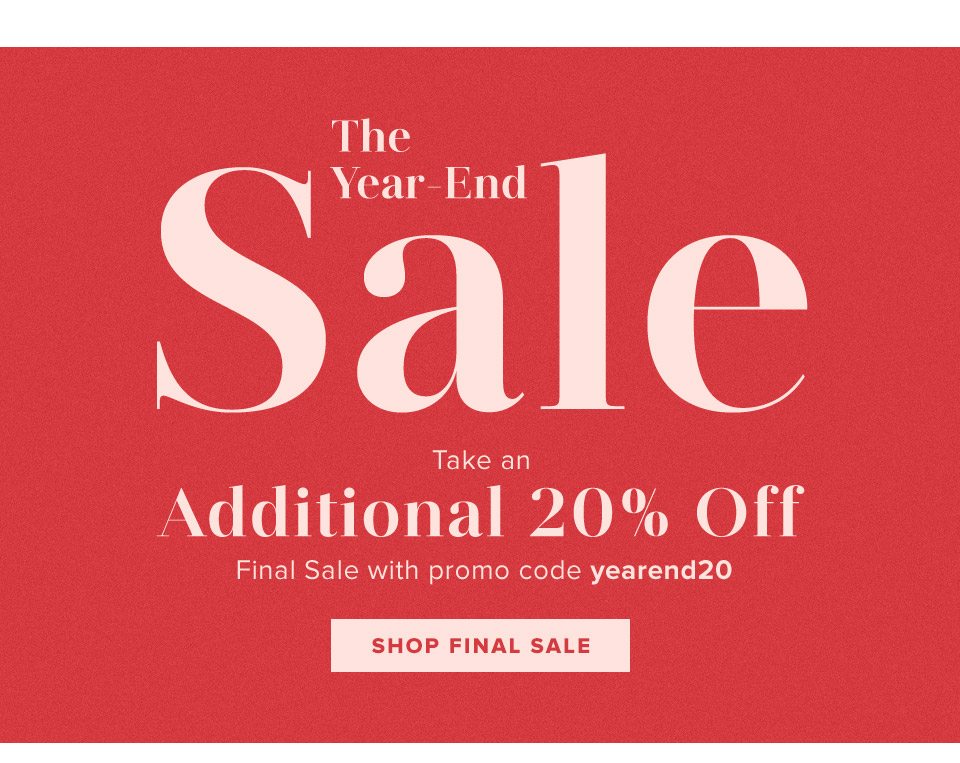
When negotiating discounts, certain phrases, and questions can help you achieve the desired outcome. Some good examples are: “All I have in my budget is X”, and “I’ll give you X if we can close this deal now”, or “Is that the best you can do?”
There is no point in trying to negotiate with someone who simply cannot authorize a discount. If you find out the person you’re speaking to cannot offer you a discounted price, reach out to the decision-maker such as a manager, that has the power to authorize a discount.
Instead of simply demanding a discount, you can offer something valuable in return, such as writing a review, providing a referral, or being willing to showcase your business as a case study.
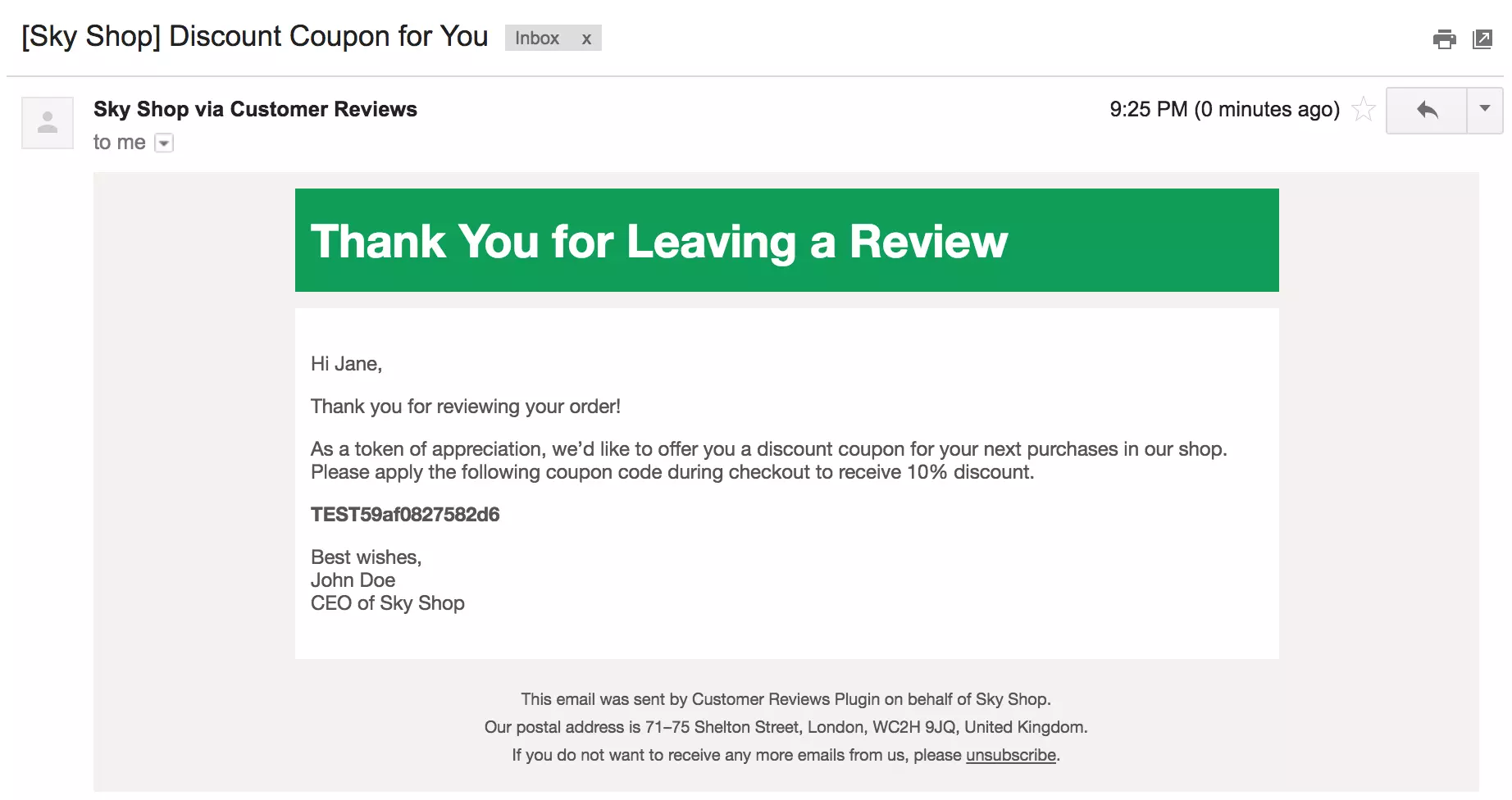
In many industries providing early payment discounts is standard practice. Vendors can get paid sooner which accelerates cash flow and reduces the risk of late payment or nonpayment. That is why offering to pay early can be a great way to get discounts.
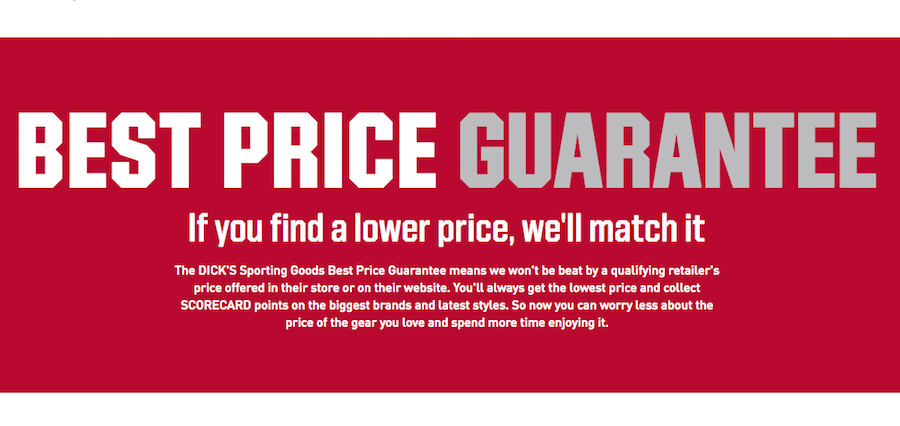
Don’t be afraid to point out a competitor’s lower rate. Lots of companies are actually willing to provide discounts if you can prove their competitors are offering cheaper prices. A little research beforehand will tell you whether the retailer’s prices are reasonable.
If you can’t get a desirable discount, think about what sort of extras would be relatively painless for the seller to offer you instead – free delivery, free installation, a free upgrade, etc. Very often businesses are already prepared to offer these perks since they are cheaper than lowering the price but still make the customer happy.
Try to have a polite, respectful, and positive approach during the bargaining process. Nobody wants to help a rude and pushy person, but most vendors will want to help out a nice, friendly person in any way they can.
Don’t be afraid to simply walk away if you are not getting the price you want. While it’s usually more expensive to attract new customers, companies may be willing to go the extra mile to retain existing customers, especially when they realize they are about to churn.
When it comes to asking for a discount from a business either as a prospect or as a loyal customer, there are two critical things to remember: have a polite, positive, and professional tone, and providing a good explanation as to why you cannot afford the quoted price (or why you believe accepting your discount request would be beneficial for both parties). Here are some examples of discount request templates that you can use:
Hello [NAME],
This is [YOUR NAME] from [COMPANY NAME].
We are seriously considering purchasing your product as we believe it’s the perfect solution for our company! But we’re a small business just starting out and right now there’s no way we can afford your pricing. Any chance you could give us a discount?
Looking forward to your thoughts on this.
Regards,
[YOUR SIGNATURE]
Dear [NAME],
We are happy to be your loyal customer for the last 5 years and during this time we have always been pleased with the quality of [PRODUCT/ SERVICE] you supply and the level of customer service you provide.
Nonetheless, as our firms have done business together for so many years, and since we are currently experiencing certain financial difficulties, we would like to request a discount on future orders.
Looking forward to hearing your positive response. Thank you in advance.
Sincerely,
[YOUR SIGNATURE]
Dear [NAME],
The past two years saw a marked increase in our purchases of your products. Besides, if you check our account, you will find that we have always been prompt in our payments.
In view of this would like to ask you for an additional 5% discount. With a better discount we are sure that we can increase our business volume even more – and that, we believe, is something beneficial to both of us.
We hope to hear from you soon regarding this proposal. If it is acceptable to you, please inform us soon as we are planning to place our next order by the end of the week.
Thank you,
[YOUR SIGNATURE]
No matter what products or services you offer, you’re likely to come across prospects or existing customers asking for discounts that you haven’t planned to provide. However, simply agreeing to provide a discount demonstrates that your product/ service isn’t worth your asking price and starts your customer relationship off on the wrong foot. Here are some tips on how you can effectively negotiate discount requests towards a win-win outcome and respond in a professional way:
Use the following email templates as guides whenever you need to reply to customers asking for a discount.
Hello [PROSPECT NAME],
I appreciate you asking about discounted pricing. Can I ask why you’re seeking a discount? I’d love to learn a little more about your budget and understand if I can explain the value of our solution further.
We could schedule a quick call this week, if you’d like. Feel free to book some time on my calendar here: [calendar link]
Regards,
[YOUR SIGNATURE]
Hello [PROSPECT NAME],
I appreciate your question. Before we talk about discounting, I’d love to find out a little more about the pain points and priorities of your company to ensure I can make the best recommendation on how we can help.
Would you be open for a quick call next week? Let me know when you’re available.
Best,
[YOUR SIGNATURE]
Hi [PROSPECT NAME],
Thank you for contacting us. I appreciate your interest in our product, but unfortunately we won’t be able to give you that discount. I understand your position, but our priority is being valuable. It wouldn’t be fair to offer you a discount while the rest of our users pay full price.
If you ever change your mind, we’d love to have you as a customer. Until then, I can recommend you a few affordable alternatives. Please let me know if you’d like that.
Regards,
[YOUR SIGNATURE]
Hi [NAME],
Thank you for contacting us! I am very sorry, but we won’t be able to honor your discount request. Unfortunately, our promo ended over a month ago, so the 50% off coupon code you provided has already expired and is no longer active in our system. Our coupons are typically valid for 30 days after they are issued.
However, you can find our future promotions on our website at [link]. You are also welcome to join our mailing list to receive latest deals and special offers. Please, let me know if you would like me to add your email to our list.
Best regards,
[YOUR SIGNATURE]
Hi [NAME],
We appreciate your request and we perfectly understand your need to save a little money in this economy.
Since you’ve been our customer for almost two years by now, we’re willing to offer you an additional 10% discount on your annual subscription in exchange for a case study that will be published on our website and show how your business benefits from using our product.
Please let us know if that works for you. Thank you!
Best,
[YOUR SIGNATURE]
Hello [NAME],
We appreciate your request and your interest in using our service. After having discussed with my colleagues, we decided that we could provide you with a 15% discount, if you agree to pay a year’s worth upfront.
Does it sound like something you would be willing to do? Looking forward to your response.
Regards,
[YOUR SIGNATURE]
Boost sales and loyalty with customizable coupon email templates. Learn to implement effective coupon strategies and engage customers to drive conversions with ...

Boost sales and customer loyalty with customizable pre-sale email templates from LiveAgent. Enhance your promotional campaigns to attract new customers and incr...
Learn to craft effective product sales emails with tips on design, tone, and creativity. Access customizable templates for impactful campaigns. Start a free tri...
Cookie Consent
We use cookies to enhance your browsing experience and analyze our traffic. See our privacy policy.