


Helpdesk Support
Discover the essentials of helpdesk support with LiveAgent, a versatile software offering ticket management, automation, and multichannel communication to boost...
2 min read
Customer support
Help Desk software
+1

Technical support assists with electronic products, enhancing customer satisfaction and brand image. LiveAgent offers tools like chat and ticketing systems to boost support efficiency.

A technical support team provides assistance and service for people who have a problem related to their electronic products such as computers, mobile phones, or other hardware or software.
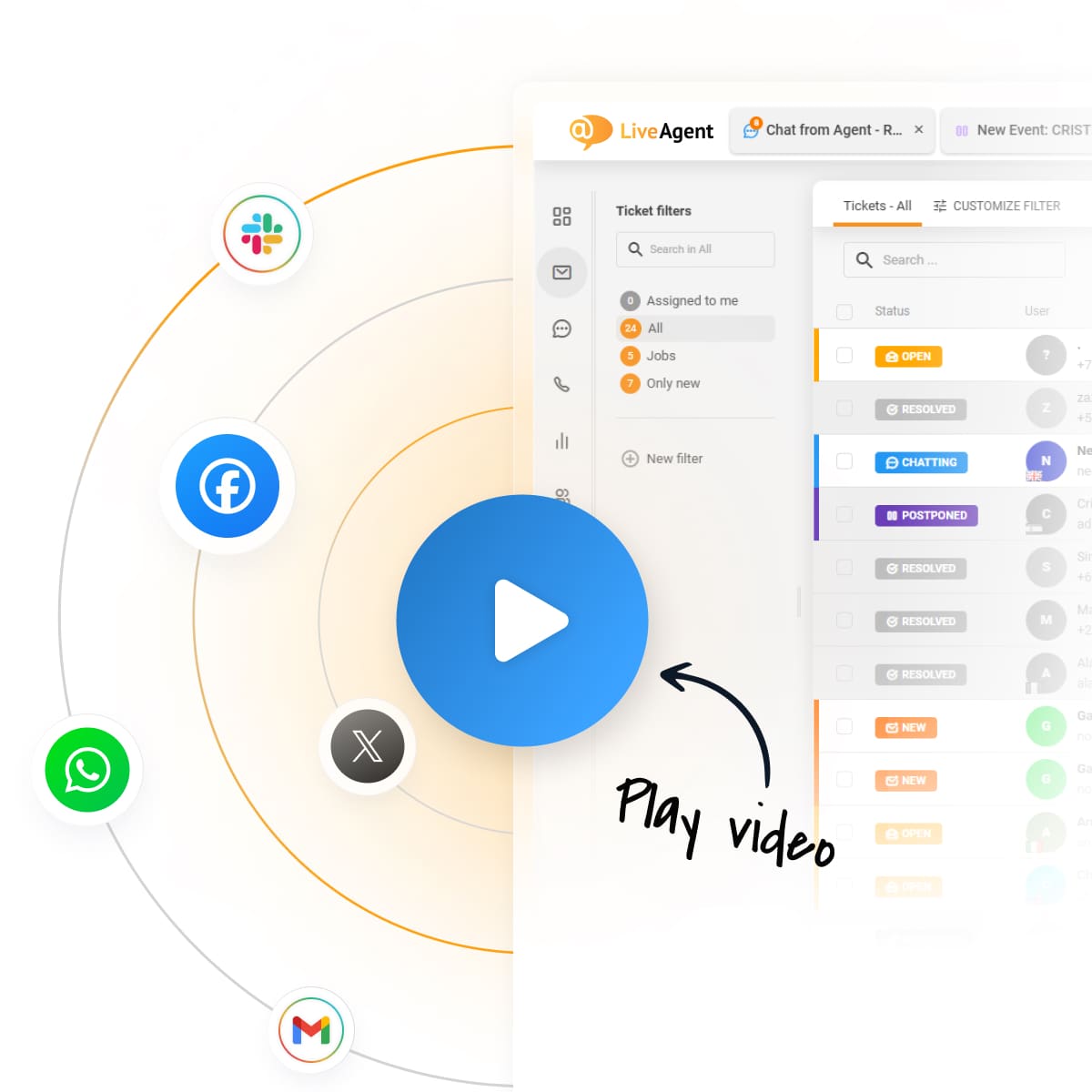
LiveAgent also offers a ticketing tool designed specifically for this purpose. With a user-friendly interface and many advanced features, this ticketing solution enables technical support teams to effectively manage and track customer inquiries. Its omnichannel approach ensures that customer messages are received and addressed through various channels like email, phone, social media, or live chat. The help desk IT ticketing tool can help companies elevate their technical support capabilities and provide assistance to their customers.
Companies usually provide live technical support to their customers for free. For customer-centric companies, it is imperative to provide top-notch technical support to their customers.
Technical support, often abbreviated as tech support, is a critical service provided by companies to assist users in resolving issues related to technology products and services. It is vital for maintaining customer satisfaction and ensuring the seamless operation of technology-dependent processes. This glossary page delves into the definition of technical support, its various levels and types, its role in businesses, examples of its application, and the qualifications necessary for a career in this field.
Technical support is a service designed to aid users of technology products such as computers, software, hardware, and electronic systems. The primary objectives include troubleshooting issues, providing guidance on product usage, performing repairs, and ensuring the optimal functionality of technology. This service can be delivered through multiple channels including phone, email, online chat, or in-person interactions.
Technical support is not just about solving problems; it is about educating users and empowering them to utilize technology efficiently. Historically, tech support evolved from basic customer service roles to specialized positions requiring in-depth technical knowledge. Today, tech support is a sophisticated service integrating various communication technologies to provide real-time assistance.
Technical support is often structured into tiers or levels to efficiently address the wide range of issues users might encounter. Each level is designed to handle specific types of problems, escalating more complex issues to higher levels of expertise.
Known as Tier 1 or entry-level technical support, this level serves as the first point of contact for users. Support representatives handle basic queries, troubleshoot straightforward issues, and provide general guidance on product use. Their goal is to resolve common problems quickly and efficiently, often using a predefined set of troubleshooting scripts.
At this level, support representatives tackle more complex issues that require a deeper understanding of the product and its functions. These technicians assist Level 1 personnel by validating problems and exploring known solutions for more complicated issues. They may also perform diagnostic tests and utilize remote tools to resolve issues.
This advanced level of support is provided by experts or developers who possess in-depth knowledge of the product. Level 3 technicians handle the most challenging problems, often involving software bugs or system failures. They are responsible for researching and developing solutions for new or unknown issues, sometimes involving backend analysis and collaboration with product development teams.
Although not universally implemented, Level 4 support typically involves external specialists or vendors. This level is engaged when issues require specialized knowledge or resources beyond the capabilities of the organization’s internal support team.
Technical support can be categorized based on the nature of the technology involved. Each type addresses specific aspects of technology and requires different expertise.
This type of support focuses on physical devices like computers, printers, and scanners. Technicians in this field resolve issues related to hardware components, such as malfunctions or installation problems.
Software support deals with applications and programs. Technicians address issues such as software installation failures, bugs, or user interface problems, ensuring that applications run smoothly.
Network support involves resolving issues with network infrastructure, including routers, switches, and firewalls. This support ensures that users have reliable and secure network connectivity.
Security support focuses on protecting systems and networks from external threats. Technicians in this area manage antivirus software, firewalls, and intrusion detection systems to maintain system security.
Technical support plays a pivotal role in business operations by ensuring technology functions as intended. Effective support leads to increased customer satisfaction, improved employee productivity, and business continuity.

The latest tips and deals delivered straight to your inbox.
Technical support encompasses a wide range of activities, from basic troubleshooting to complex problem-solving. Here are some examples:
Technical support specialists are professionals who offer assistance to users experiencing technical issues. They must possess strong problem-solving skills, technical knowledge, and the ability to communicate effectively with users.
A career in technical support typically requires a combination of technical skills and soft skills. Key qualifications and skills include:
The demand for technical support specialists is expected to remain strong, given the increasing reliance on technology in various sectors. Opportunities exist in diverse industries, including IT, telecommunications, healthcare, and more. Jobs can range from entry-level positions to specialized roles in areas like network administration or cybersecurity.
Discover the essentials of helpdesk support with LiveAgent, a versatile software offering ticket management, automation, and multichannel communication to boost...
Explore LiveAgent's comprehensive software support services that ensure efficient problem-solving, updates, and bug fixes. Join our trusted community to enhance...
Live support, via live chat on websites, enhances customer service with real-time communication, traffic analysis, and ticketing tools. It boosts customer exper...
Cookie Consent
We use cookies to enhance your browsing experience and analyze our traffic. See our privacy policy.