


Automatic Call Distribution (ACD)
Discover how Automatic Call Distribution (ACD) optimizes call center efficiency by routing calls to the right agents, boosting satisfaction.
3 min read
Customer support
Call Center software
+1

Dialed Number Identification Service (DNIS) enables companies to identify the number dialed by customers, aiding in efficient call routing to appropriate departments.

Dialed number identification service (also known as DNIS) is a telecommunications service sold to companies that enables them to determine which number a customer dialed to reach them. To allow DNIS service, the phone company sends a DNIS number to the receiving phone network before connecting the call. The DNIS number, which typically represents a sequence of 4 to 10 digits, is then used to effectively route incoming customer calls in order to achieve efficient telephone service provided by a company.
DNIS data is rarely used alone. Along with other call identification features, dialed number identification service finds wide usage in companies with separate numbers for different locations or diverse product lines. When used with toll-free numbers, the corporate telephone system receives an incoming customer call and routes it to an appropriate department or a specific IVR (Interactive Voice Response) menu based on the DNIS information. This is particularly helpful for call centers with typically high incoming call volumes.
In technical terms, dialed number identification service works by transmitting the DTMF (dual-tone multi-frequency) digits to the processing unit. A special mechanism will decode “the signals” and either displays them or make them available to the call processing application at the receiving end.
ACD (Automatic Call Distribution) is at the core of omnichannel routing and employs DNIS as the primary call routing mechanism. In practice, it means that when customers call the organization’s call center using one of their phone numbers, the call center software can employ DNIS routing to direct those inbound phone calls to the correct departments, agents or trigger different IVR scripts.
Overall, DNIS ensures an effective process for telephone communications with customers and assists organizations in delivering exceptional customer experiences. Apart from routing the incoming customer calls to the right recipient, it can also trigger appropriate messages for callers in customized IVR scripts based on the destination number dialed by the caller.
A call center may provide different toll-free numbers for each product line it supports. The DNIS helps distinguish between these lines and plays appropriate IVR scripts or routes inbound calls to agent groups with matching skill sets. For example, a company might have one number for billing inquiries and another for technical support, with DNIS automatically routing calls to the correct department.
A call center handling multiple geographical locations may offer different toll-free numbers for each supported language. The DNIS data is used to route client phone calls to suitable agents based on the language requirements. This ensures customers are connected to agents who can communicate in their preferred language, improving customer satisfaction and reducing call handling time.
If a single call center agent is assigned to manage multiple client accounts or multiple product lines from a single account, DNIS can be used to classify the call purpose and help the agent deliver efficient support. This allows agents to quickly understand the context of the call and provide more personalized service.
DNIS helps improve some of the most critical call center metrics, such as:
DNIS plays a key role in streamlining call center operations. For example, based on the DNIS information, the call center server can decide whether an incoming call should be queued and connected to an appropriate agent or agent group or directed to a specific IVR self-service menu. This automation reduces manual intervention and improves overall operational efficiency.

Start your free trial today and see results within days.
ANI (Automatic Number Identification) is a telecommunications feature that provides the phone call recipient with the caller’s originating number. To eliminate the need for telephone operators to manually request the number of the calling party for a toll call, AT&T created ANI for the purposes of internal long-distance billing.
Dialed Number Identification Service (DNIS) and Automatic Number Identification (ANI) are both features of the telecommunications network — designed to provide the recipient of a phone call with more information about the incoming connection. However, they serve different purposes:
Therefore, DNIS and ANI differ in whether they provide the original destination number dialed or the source phone number to the recipient. Both are valuable for call centers, as they provide complementary information that helps with call routing and customer identification.
Route incoming calls intelligently with LiveAgent's DNIS integration and advanced IVR capabilities for seamless customer phone support.
Discover how Automatic Call Distribution (ACD) optimizes call center efficiency by routing calls to the right agents, boosting satisfaction.
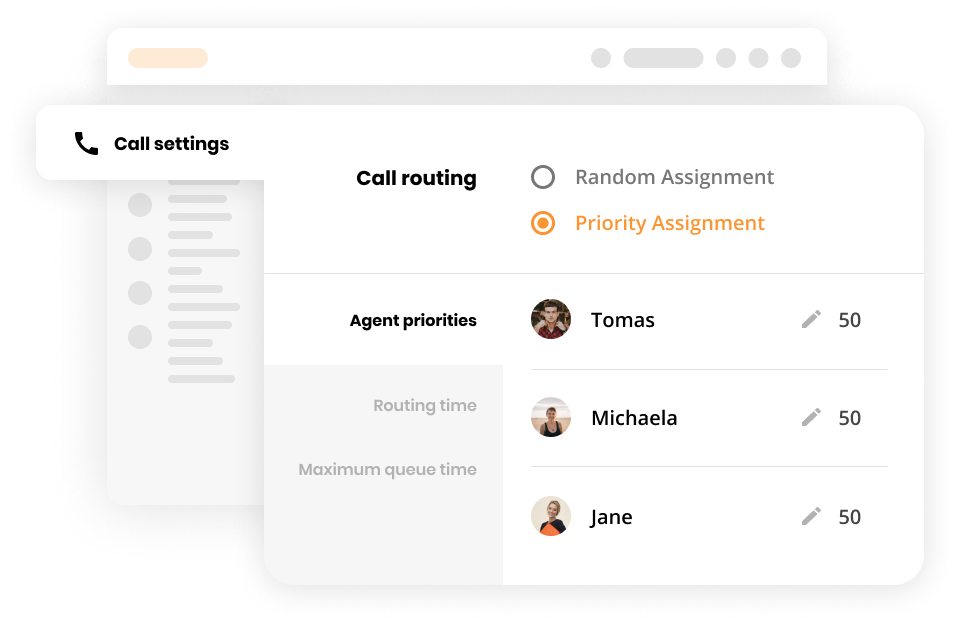
Call routing, or Automated Call Distribution (ACD), automatically directs incoming calls to specific agents based on set criteria, enhancing customer service by...

Learn about call center dialers, their benefits, and types like auto, preview, power, and predictive dialers. Discover how they enhance outbound operations, imp...
Join our community of happy clients and provide excellent customer support with LiveAgent.
Cookie Consent
We use cookies to enhance your browsing experience and analyze our traffic. See our privacy policy.