Customer support is essential for business success, involving services like planning, installation, and troubleshooting to enhance customer satisfaction and loyalty.
What is customer support?
The definition of customer support refers to the range of services provided by a company to assist customers in making cost-effective and correct use of a product.
This encompasses various activities such as:
Planning: Helping customers understand how to integrate a product into their workflow or lifestyle.
Installation: Guiding customers through the process of setting up a product or service, either remotely or on-site.
Training: Offering tutorials, webinars, or one-on-one sessions to educate customers on how to use a product effectively.
Troubleshooting: Assisting customers in resolving any issues or malfunctions they encounter with the product.
Maintenance: Providing regular updates and checks to ensure the product continues to function optimally.
Upgrading: Helping customers transition to newer versions or add additional features to their existing products.
The importance of customer support lies in its ability to foster strong customer relationships. The effects of this speak for themselves, improving customer satisfaction, and ultimately, driving business growth.
Why Customer Support is Crucial for Business Growth
Customer support boosts customer satisfaction, repeat business, and word-of-mouth referrals.
Immediate help, like 24/7 live chat, solves issues quickly and leaves customers happy. Personalized service builds strong relationships, and proactive problem-solving stops issues before they grow. Reliable support builds trust and encourages repeat purchases. Effective support increases product value and customer loyalty.
By using these strategies, businesses can grow and keep customers satisfied.
Customer Support and Its Difference from Customer Service
Customer support and customer service may seem the same, but they have key differences. Customer support helps customers use a product, mainly through technical help. This includes fixing issues, solving problems, and guiding product use.
On the other hand, customer service covers a broader range of activities. It aims to enhance the overall customer experience by answering questions, handling complaints, and ensuring customer satisfaction.
In essence, customer support is part of customer service, but customer service includes all interactions that build and maintain a positive relationship with the customer.
8 Innovative Strategies to Enhance Customer Support in 2025
Aligning Support Agents with Company Strategy
Aligning support agents with the company strategy ensures that everyone is working toward the same goals, regardless of how obvious it may seem. This involves training agents to be on the same page and to understand the company’s vision, mission, and objectives.
For example, if a company’s strategy focuses on sustainability, support agents should be knowledgeable about the company’s eco-friendly practices and be able to communicate them effectively to customers. This alignment helps provide consistent messaging and reinforces the company’s values during customer interactions.
Prioritizing Emotional Intelligence Along with Technical Skills
While technical skills are essential in customer support, emotional intelligence (EQ) should be considered as well. Agents with high EQ can better understand and respond to customer emotions, leading to more satisfying resolutions.
For example, an agent who can empathize with a frustrated customer and stay calm under pressure can defuse situations more effectively. Training in both technical skills and emotional intelligence helps create a more balanced and capable support team.
Embedding Empathy into Customer Interactions
Most of the time, people respond well to warmth in communication, and it’s no different in customer support. Empathy is key to building strong customer relationships. By understanding and addressing customer concerns empathetically, support agents can create a more positive experience.
Language is a great tool here, so using phrases like ‘I understand how frustrating this must be for you" can make customers feel heard and valued. Embedding empathy into interactions ensures that customers feel respected and appreciated, even when facing issues.
Adapting Metrics and KPIs to Measure Support Effectiveness
Adapting metrics is key to better understanding support effectiveness. Traditional metrics like average handling time and first response time are important, but they need to be expanded.
Including customer satisfaction (CSAT) scores, Net Promoter Score (NPS), and issue resolution rates gives a fuller picture. For example, tracking NPS shows how likely customers are to recommend the company based on their support experiences, providing insights into long-term customer loyalty.
Empowering and Nurturing the Support Team
What you nourish, grows. Empowering support teams means giving them the tools, resources, and authority to solve customer issues quickly. This includes ongoing training, access to current knowledge bases, and the ability to make decisions on their own.
Besides resources and decision-making power, nurturing the team with recognition and career development can boost morale and retention. Regular workshops and performance incentives keep the team motivated and skilled, ensuring they feel supported.
Adding a Personal Touch to Digital Interactions
Standardization has its place in certain areas of life, but adding a personal touch to interactions can make a significant difference in its reception. Personalization can be achieved by using customer data to tailor responses and by addressing customers by their names.
For example, an automated email that includes personalized recommendations based on previous purchases can actually add to the customer experience. Random communications that have no relevance to the customers’ purchase can come across as impersonal, but small personalized gestures can make digital interactions feel more human and engaging.
Seamlessly Connecting CRM and Customer Support Tools
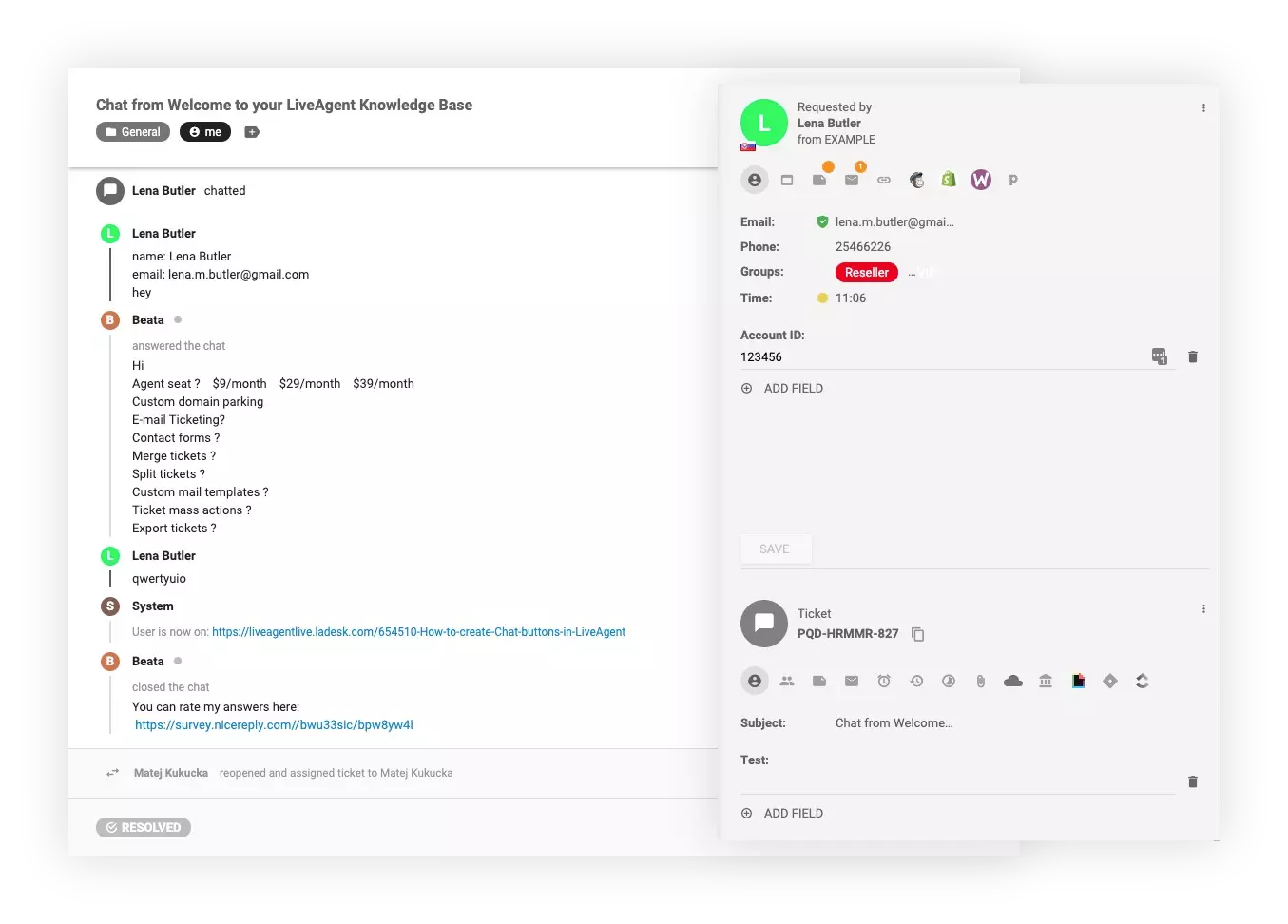
Connecting CRM systems with customer support tools ensures all customer information is easy to access, offering a smooth support experience. This lets the customer support agent see a customer’s history, preferences, and past interactions, allowing for more personalized and efficient service.
With customer support, time is crucial. If a customer has a recurring issue, agents using integrated systems can quickly look up past interactions to find a faster solution.
Promoting Self-Service Options for Customers
Self-service options, such as FAQs, knowledge bases, and chatbots, empower customers to find answers quickly and reduce the load on support teams. These resources should be easily accessible and regularly updated to reflect common customer inquiries.
Stay a few steps ahead of your customers and prepare what you think they would need if they wanted to solve something on their own. An up-to-date and well-designed knowledge base can provide step-by-step guides for troubleshooting, allowing customers to resolve issues independently and efficiently.
The Technological Evolution Impacting Customer Support
Tech changes have greatly impacted customer support. These updates have made support systems much more efficient and effective.
Tools like AI, automation, and analytics are changing how businesses interact with customers. These technologies help companies respond faster, more accurately, and predict customer needs, delivering personalized experiences.
Combining support tools with CRM systems gives support teams full access to customer data, further improving service speed and quality.
Join our newsletter
The latest tips and deals delivered straight to your inbox.
How Can AI and Automation Transform Customer Support?
AI and automation bring big changes to customer support. Here are some ways they enhance support processes:
Instant responses: AI chatbots give quick answers to common questions, offering fast help without needing a human.
24/7 availability: AI and automation let support run all day, every day, cutting down time zone issues.
Automated tasks: Automation handles repetitive jobs like ticket routing and follow-ups, freeing up human agents for more complex problems.
Personalized help: AI uses customer data to give tailored advice and solutions, making the experience better.
Predictive support: AI spots patterns and predicts issues before they happen, allowing proactive support.
Better decisions: AI gives agents useful info and tips during chats, improving service quality.
Resource efficiency: AI analyzes demand to optimize staffing and resource allocation.
Multilingual support: AI supports multiple languages, breaking language barriers and reaching more customers.
Integrated systems: Automation tools work with CRM systems, giving a unified view of customer data and interactions.
Scalability: AI and automation help support operations grow efficiently, handling more inquiries without losing quality.
Using AI and automation is key for optimizing support and delivering great customer experiences.
Tips for Building Robust Customer Support Teams
Building a robust customer support team involves more than just hiring individuals with the right skills. It requires a strategic approach to interviewing and assessing candidates to ensure they have the potential and talent to excel in their roles.
Here are some specific, actionable tips to help you identify the best candidates for your support team:
1. Determine the Qualities Necessary for Your Team
Different service desk types require different skill sets and team compositions.
Types of service desks and required skills:
Call center service desk: Focuses on handling high volumes of calls efficiently. Key skills include excellent verbal communication, empathy, and the ability to work under pressure. Ideal for companies with straightforward customer queries. The callback feature allows customers to request a call at a convenient time, ensuring they receive timely support without waiting on hold.
Technical support desk: Deals with complex technical issues. Essential skills include strong technical knowledge, problem-solving abilities, and proficiency in using diagnostic tools. Suitable for IT companies or tech-heavy industries.
Help desk: Provides general support, including troubleshooting and basic technical assistance. Requires a mix of technical and communication skills. Common in various industries to handle a wide range of customer issues.
Customer service desk: Handles general inquiries, order processing, and account management. Key skills include strong interpersonal abilities, patience, and knowledge of the company’s products and services. Ideal for retail and service-oriented businesses.
2. Assess Communication Skills
Effective communication is crucial for customer support roles. During the interview, ask candidates to introduce themselves in the required support language rather than their native language. This serves as a basic test of their communication skills and their ability to summarize important and relevant parts of their CV.
For example, start the interview by saying, ‘Please introduce yourself and summarize your professional background, highlighting the most relevant experiences for this role." This approach helps you assess how well candidates can convey relevant information clearly and concisely.
3. Conduct Relevant Technical Tests
For technical support roles, it’s essential to evaluate candidates’ technical knowledge. Prepare a short but relevant technical test or a set of questions that cover the basics they will encounter in the role. This helps to distinguish those with practical skills from those who only have theoretical knowledge.
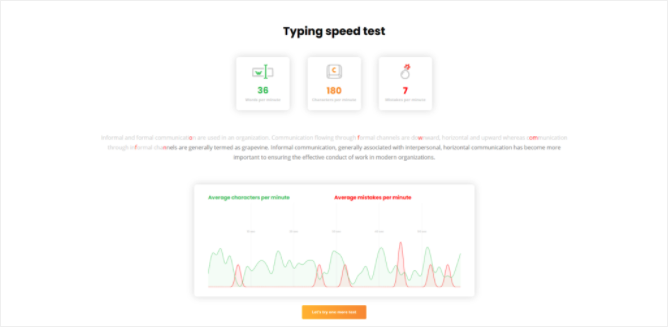
Additionally, you can incorporate a live chat typing test to assess candidates’ ability to handle real-time customer interactions effectively.
Include questions or practical tasks related to common issues they would face, such as, “How would you troubleshoot a customer’s problem with a slow internet connection?’ This helps you assess their problem-solving abilities and technical proficiency.
4. Use Questions to Understand Their Thought Processes
To understand how candidates think and approach problems, present them with specific example scenarios from real support work. The focus should not be on the correct answer but on their thought process and approach towards potential problems.
As an example, you could ask, “A customer is upset because their issue hasn’t been resolved after multiple contacts. How would you handle this situation?’ This question helps you evaluate their problem-solving style, empathy, and ability to handle difficult situations.
5. Encourage Candidates to Ask Questions
Support agents must know what and how to ask for more information. Allow candidates to ask questions about the job during the interview to gauge their interest and understanding of the role. This also shows their curiosity and eagerness to learn more about the company and the position.
At the end of the interview, prompt, “Do you have any questions about the role or our company?” Pay attention to whether their questions are insightful and relevant. Questions focused solely on salary might indicate a lack of deeper interest in the role.
6. Continuous Training and Development
Once you have selected the right candidates, ensure they receive continuous training and development. Regularly update them on the latest tools, technologies, and best practices. Focus on enhancing their communication skills, technical troubleshooting abilities, and empathy through structured training programs and workshops.
Implement monthly training sessions on new software updates and troubleshooting techniques for technical support desks. For customer-facing roles, organize workshops on active listening and empathy to improve customer interactions. Encourage collaboration with the product team during these sessions to ensure that support agents fully understand the products they support.
7. Foster a Positive Work Environment
Creating a supportive and positive work environment is essential for maintaining a high-performing team. Recognize and celebrate achievements, provide opportunities for professional growth, and support work-life balance. This helps to keep the team motivated and engaged.
Celebrate team milestones and individual achievements through regular appreciation events or rewards. Encourage a culture of learning and development within your support team to maintain high standards and adapt to changing customer needs.
Customer Support Interactions: Best Practices
Strengthen Communication Skills
Effective communication is the cornerstone of successful customer support. Ensure that your team is well-trained in both verbal and written communication. Agents should be able to convey information clearly, listen actively to understand the customer issue fully, and respond empathetically to build trust and rapport. Regular training sessions and workshops can help in enhancing these skills, leading to more positive and productive interactions.
Be Available Across Multiple Channels
In today’s multi-channel environment, customers expect to be able to reach support through their preferred methods. This includes traditional channels like phone and email, as well as newer platforms such as live chat and social media.
Ensuring your team is accessible across these channels helps meet customer expectations. Use a unified customer service platform to manage these various channels efficiently and ensure no query goes unanswered.
Incorporate Social Media Customer Service Software
Social media has become a vital channel for customer support. Customers often turn to platforms like Twitter, Facebook, and Instagram for quick assistance.
By incorporating social media customer service software, your team can respond promptly to these queries, improving response times. This software also helps in monitoring brand mentions and sentiment, letting you proactively address potential issues before they escalate and prevent a bad experience for customers.
Take Customer Feedback Seriously
Customer feedback is an invaluable resource for improving your service. Actively seek feedback through surveys, follow-up emails, and social media interactions. Analyze this feedback to identify common pain points and areas for improvement.
Implement changes based on customer suggestions to show that their opinions are valued. This helps continuously enhance the quality of your support and achieve customer success.
Continuous Improvement
Customer support is an evolving field, and continuous improvement is essential. Regularly review and update your support processes and strategies. Stay informed about industry trends and best practices to ensure your team is using the most effective methods.
Encourage a culture of learning and development within your support team to maintain high standards and adapt to changing customer needs.
What Are Common Customer Support Queries and How Do You Address Them?
Customer support often handles technical issues, billing and payment queries, product information and usage, order status and shipping, and account management.
To address technical issues, provide clear troubleshooting guides, remote support options, and well-trained agents.
For billing queries, maintain transparency with detailed invoices and a specialized support team.
Product information should be readily available through FAQs, user manuals, and knowledgeable agents.
Implement real-time tracking and automated updates to keep customers informed about their orders.
Simplify account management processes with detailed guides and live support for complex issues.
Which Customer Support Channels Are Most Effective in 2025?
In 2025, the most effective customer support channels include:
Live chat
Social media
Email
Phone support
Each channel has its strengths and can be used to address different types of customer queries. Customer service software like LiveAgent offers a comprehensive solution that integrates multiple support channels, letting you meet customers where they are.
Measuring and Defining Success in Customer Support
Measuring the effectiveness of customer support is crucial for several reasons. It helps businesses understand how well their support teams are performing, identify areas for improvement, and ensure that customers are satisfied with the service they receive.
Effective measurement can lead to enhanced customer retention, improved service quality, and overall business growth.
How to Evaluate Customer Support Effectiveness
Evaluating customer support effectiveness involves using various metrics and key performance indicators (KPIs). Here are some of the key metrics to keep track of:
Customer Satisfaction Score (CSAT): Measures how satisfied customers are with the support they received.
Net Promoter Score (NPS): Gauges customer loyalty and the likelihood of them recommending your service to others.
First Response Time (FRT): Tracks how quickly support agents respond to customer inquiries.
Resolution Time: Measures the time taken to resolve customer issues.
Customer Effort Score (CES): Evaluates the ease with which customers can get their issues resolved.
Setting and Achieving Customer Support Benchmarks
Setting benchmarks is essential for maintaining high standards in customer support. Here’s how to set and achieve these benchmarks:
Identify key metrics: Determine which metrics are most relevant to your business goals.
Set realistic targets: Based on historical data and industry standards, set achievable targets for each metric.
Monitor performance: Regularly track these metrics to gauge performance.
Continuous improvement: Use the data to identify trends and areas for improvement. Implement changes and continue to refine your support strategies.
Top Tools and Resources for Customer Support
To provide top-notch customer support, businesses need the best tools and resources. Here is an overview of the top customer support software for 2025:
LiveAgent: Known for its comprehensive features, including ticketing, live chat, and call center support. LiveAgent helps streamline customer interactions and improve response times.
Zendesk: Offers robust ticketing and knowledge base features, making it easier to manage customer inquiries and provide self-service options.
Freshdesk: Provides an intuitive interface and powerful automation tools to help support teams manage customer queries efficiently.
Salesforce Service Cloud: Known for its powerful CRM integration, Salesforce Service Cloud offers a complete view of customer interactions, enhancing personalized support.
HubSpot Service Hub: Offers a range of tools for ticketing, automation, and customer feedback, helping businesses maintain high levels of customer satisfaction.
The Future Outlook and the Importance of Customer Support
Customer support is more crucial than ever in the digital age. As more businesses go online, the need for fast, responsive, and high-quality support has grown. Customers now expect instant solutions and personalized interactions.
This change highlights the key role of customer support in keeping customers happy and loyal. In today’s market, great customer support sets businesses apart. A study by Microsoft found that 96% of consumers say customer service is important for brand loyalty. Companies that excel in support can keep their customers and attract new ones through positive word-of-mouth and reviews.
Future Trends in Customer Support
As customer support continues to evolve, new technologies and approaches are shaping its future. Here are some exciting trends to watch with the help of AI and automation:
AI-powered chatbots: AI chatbots may become more advanced, offering instant, accurate answers to customer questions. These bots could manage routine inquiries, letting human agents tackle more complex problems.
Predictive analytics: AI and machine learning might enable predictive analytics, helping businesses anticipate customer needs and address issues before they arise. This proactive method could boost customer satisfaction and cut support costs.
Automated categorization and flows: AI could recognize the type of customer query, apply specific tags, and trigger rules and workflows. This might include assigning queries to the right team and gathering information from connected systems to send automatic replies.
Multilanguage support: AI could enable automatic multilanguage support, allowing single-language support agents to assist customers in various languages. This would broaden the reach and effectiveness of support teams.
Intelligent summarization: AI might provide brief summaries of customer interactions or issues, giving support agents a quick overview. This could include on-request summaries of the last issue or all reported issues within a specific period.
Mood recognition: AI may analyze conversation sentiment to detect mood trends and improve service without needing manual feedback in satisfaction surveys.
Conclusion
In 2025, customer support is more critical than ever, driving customer satisfaction, loyalty, and business growth.
By understanding the nuances of customer support and adopting innovative strategies, businesses can significantly enhance their customer interactions. Leveraging advanced technologies like AI and automation, focusing on personalization, and integrating CRM systems are essential steps for modern customer support. Additionally, building robust support teams and measuring success through relevant metrics ensures continuous improvement.
Experience the benefits of exceptional customer support firsthand with LiveAgent. Try our 30-day free trial and see how our comprehensive solution can transform your customer support operations. Sign up today and take the first step towards delivering outstanding customer experiences.
Evaluate the success of your customer service strategy by tracking key metrics like Customer Satisfaction Score (CSAT), Net Promoter Score (NPS), and First Response Time (FRT). Regularly review these metrics to identify areas for improvement and ensure your goals are being met.
In a customer support crisis, remain calm, respond quickly, and communicate transparently with customers. Have a crisis management plan in place and keep your team informed and prepared.
Yes, customer support can provide valuable insights into customer needs and pain points, which can guide product development and improvements. Feedback from support interactions helps identify areas for enhancement.
Businesses can ensure data security by using secure communication channels, regularly updating security protocols, and training support agents on data protection best practices. LiveAgent offers robust security features to protect customer data during support interactions.
Customer service vs. customer support: Differences and tips
Customer service enhances overall customer experience, focusing on satisfaction and long-term relationships. Customer support addresses specific technical issue...
14 min read
Customer service vs. customer support: Differences and tips
Common Customer Support Mistakes and How to Avoid Them
Discover the most common customer support mistakes businesses make and learn proven strategies to avoid them. Improve customer satisfaction, retention, and loya...