




Play video
Keep it clear with customer interaction software
Provide personalized support experiences at every touchpoint.
No setup fee
24/7 Customer service
No credit card required
Cancel any time










Customer interaction software allows you every touchpoint interaction
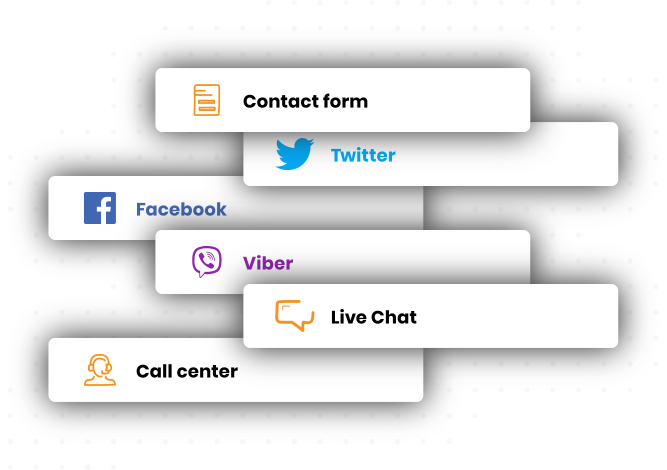
Customer interactions made easy
Our omnichannel customer interaction software stores all customer queries in a centralized dashboard.
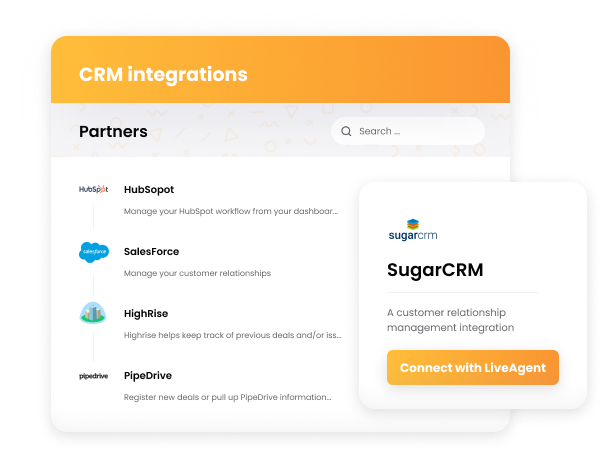
Answer Tweets, live chat messages, or phone calls from one interface while reviewing important customer info with our built-in CRM.
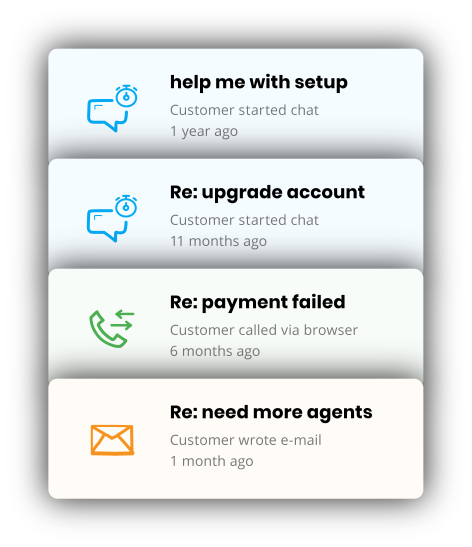
Less guesswork, more insights
Our customer interaction software enables you to follow your customer's problem resolution journey across different channels while staying in the same ticket thread.
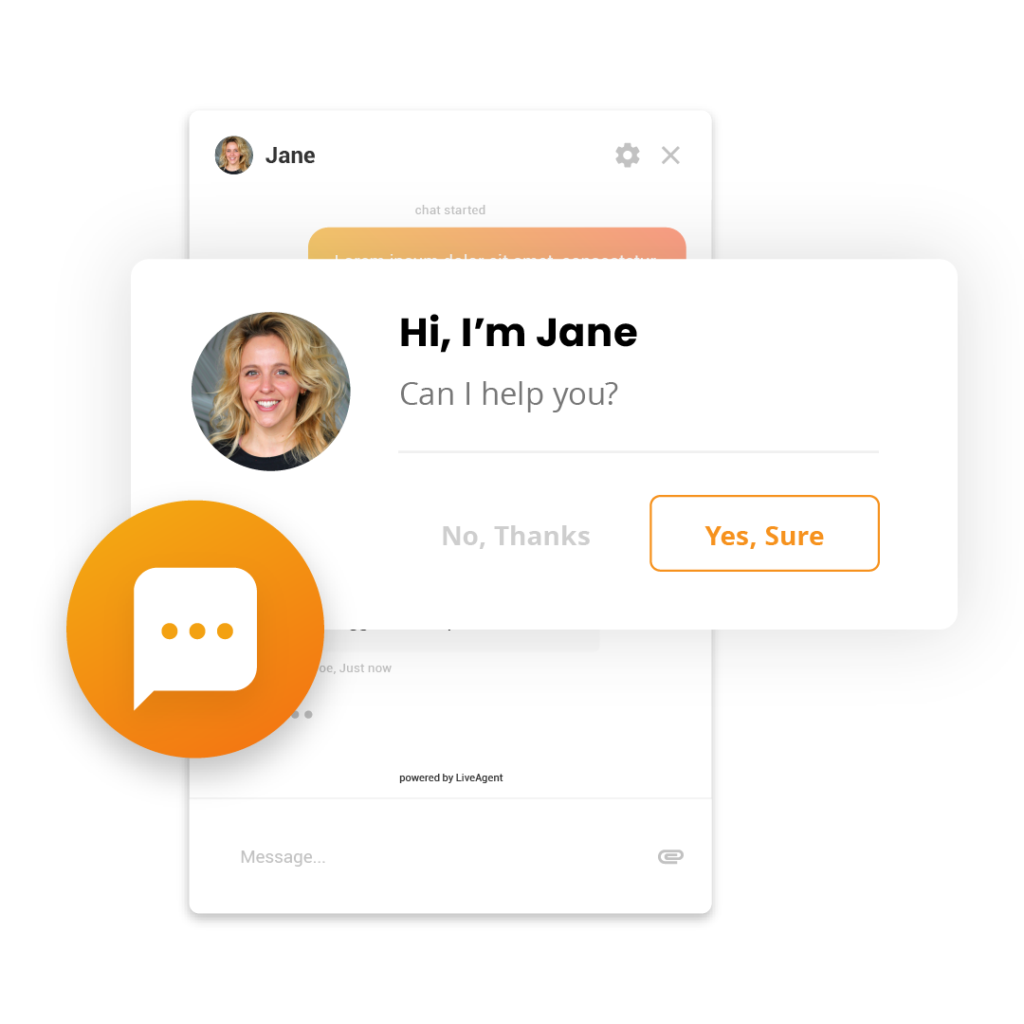
Capture leads and convert
Take advantage of the world's fastest live chat widget that's equipped with pre-chat forms, proactive chat triggers, and a real-time typing view.
Customize each chat button animation, color, style, or chat window background with ease.

Instant Instagram & Twitter support
Instagram, Twitter, Facebook, Messenger, WhatsApp or Viber? We've got 'em all. Interacting with your customers on social media has never been easier.
Getting bad-mouthed on Twitter? Set up keyword monitoring to salvage customer relationships before it's too late.
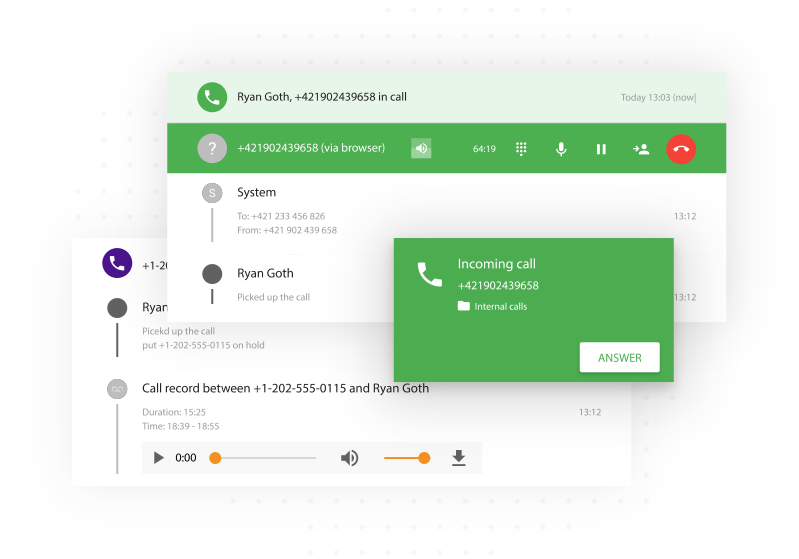
Virtual call center? Check
Automatic call distribution, free internal calls, complex IVR trees, call back options, and unlimited call recordings. The best part? Agents can provide customer service on the go, and across all devices.
Community & self-service
Provide your customers with a designated space for community interactions and self-service.
Create multi-brand knowledge bases, community forums, and ticket submission forms tailored to your business aesthetic with our WYSIWYG editor.
Report, automate, gamify, go!
LiveAgent customer interaction software collects data about all customer interactions and converts them into handy reports. Gain actionable insights, improve agent efficiency with powerful automation, and boost agent productivity with gamification.
Sounds too good to be true?

Tired of switching between phones, chats, emails, and other communication tools?
You won't have to! LiveAgent is a unique piece of customer interaction software integrating multiple communication channels under one roof with affordable and transparent pricing. Don't pay additional fees just for using a call center or live chat.
Free migration? Say no more.

"LiveAgent combines excellent live chat, ticketing and automation that allow us to provide exceptional support to our customers."

Peter Komornik
CEO of Slido
Satisfied customers? Priceless.
Discover all that LiveAgent customer interaction software has to offer
Did you notice that LiveAgent customer interaction software is the cheapest and simultaneously most advanced option on the market? That's right. Check out all that we have to offer on our pricing page.
Starter
Per agent · up to 5 agents
Email, chat and AI for a small team getting started.
$19
/agent/mo
$19
Billed monthly · cancel anytime
$15 billed annually · save 21%
How much you get
AI agents
1
Departments
10
Email accounts
3
Live chat buttons
2
Included
Email ticketing and contact forms
Live chat and chatbot
Knowledge base
All AI features
No social channels, call center or reporting
Team
Per agent · up to 15 agents
Every channel, call center and AI for a growing team.
$35
/agent/mo
$35
Billed monthly · cancel anytime
$29 billed annually · save 17%
How much you get
AI agents
5
Departments
20
Email accounts
10
Live chat buttons
5
Included
Everything in Starter
Facebook, Instagram, X, Viber, WhatsApp, Telegram
Call center
Reporting, CSAT surveys and time reporting
SSO, SLA rules and custom roles
MOST POPULAR
Business
Per agent · any team size
More AI agents, departments and email accounts, plus MCP.
$59
/agent/mo
$59
Billed monthly · cancel anytime
$49 billed annually · save 17%
How much you get
AI agents
50
Departments
150
Email accounts
150
Live chat buttons
50
Included
Everything in Team
MCP server: connect your own AI tools to LiveAgent
LiveAgent branding removal
Audit log and department roles
What is a customer interaction platform?
A Customer Interaction Platform is a SaaS tool designed to enhance customer experiences by streamlining communication across various channels such as emails, [live chat](/live-chat-software/ “Discover the best live chat software for 2025 with LiveAgent! Fast, feature-rich, 24/7 support, no setup fees, and a free 30-day trial!”"), and social media. It acts as a centralized system that collects, organizes, and analyzes customer data, allowing businesses to facilitate more meaningful and personalized interactions.
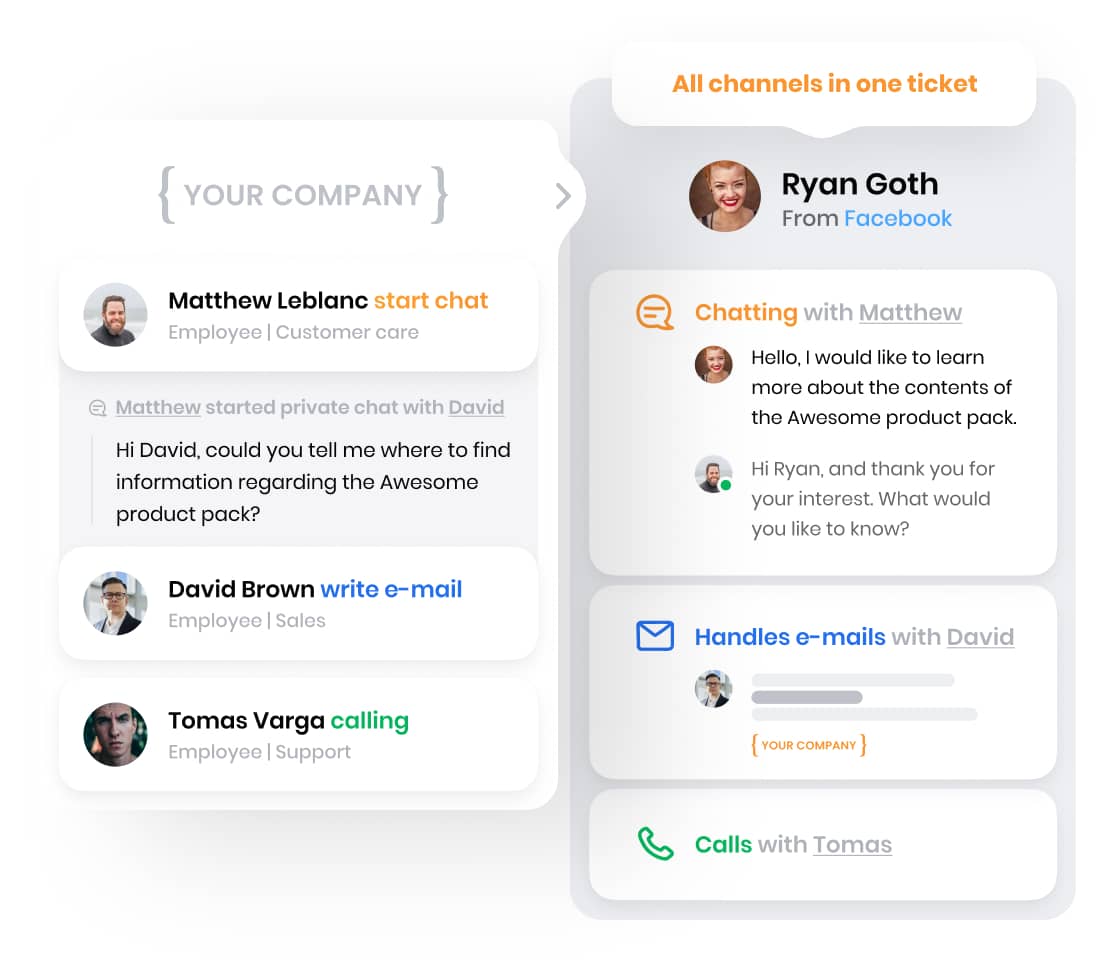
These platforms help businesses manage and optimize the customer journey, automatically sending personalized messages across multiple devices and platforms. With multi-channel communication capabilities, they unify interactions from SMS, phone, email, web forms, social media, and self-service platforms into a single system.
By providing systematic management of interactions, Customer Interaction Platforms enable support teams to ensure timely solutions, using context-aware insights to boost customer satisfaction. Businesses leveraging these tools can expect improved customer engagement, loyalty, and retention by offering tailored experiences based on valuable insights into customer preferences and behaviors.
Difference between customer interaction platforms and CRM systems
Customer Interaction Platforms (CIPs) and [Customer Relationship](/customer-support-glossary/customer-relationship/ “Build lasting customer relationships with active listening, empathy, and personalization. Boost loyalty using LiveAgent’s customer service tools!’) Management (CRM) systems serve crucial roles in enhancing customer engagement, yet they differ in focus and functionality.
CIPs evolve from traditional CRM systems by integrating advanced features like customer engagement analytics and personalization, offering a more dynamic approach to interaction across various channels.
Unlike CRM systems, which mainly concentrate on managing customer data and historical interactions, CIPs facilitate personalized, multichannel communications that significantly boost customer experiences.
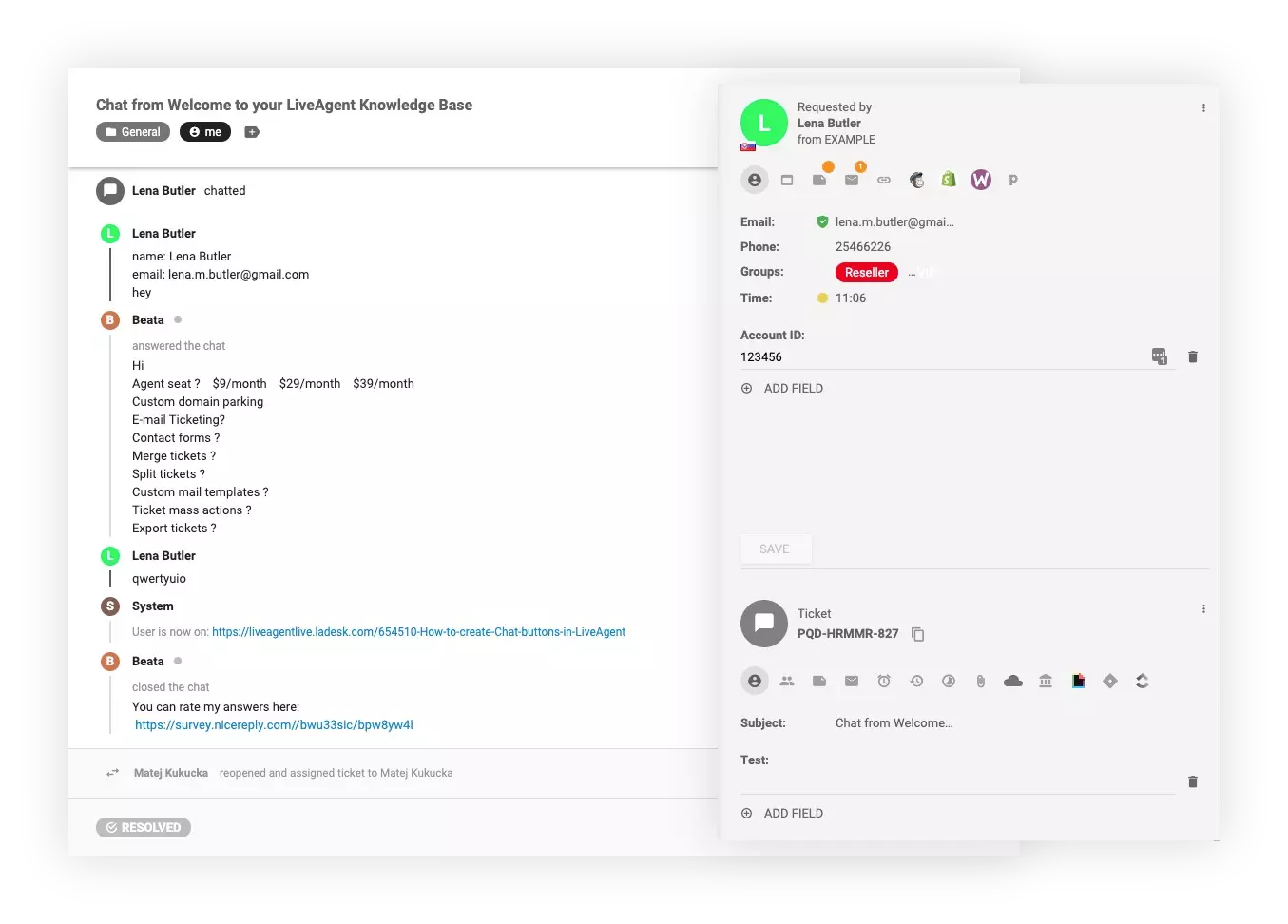
Essentially, CIPs act as a centralized hub for monitoring interactions across digital touchpoints such as messaging apps and social media.
Understanding the traditional CRM model
The traditional CRM model is aimed at managing all communications and interactions with customers to nurture long-term relationships. CRM systems focus on collecting and analyzing customer data, helping businesses build lasting connections with their clientele.
Although they support interaction history and customer data management, the primary objective of CRMs is strategic relationship-building over time.
The demand for CRM solutions is growing robustly, with the market projected to expand by nearly 14% from 2024 to 2030. They provide comprehensive management of customer relations , covering the entire lifecycle from pre-purchase inquiries to post-purchase service.
Key differences in functionalities
While both systems are integral to customer interactions, their functionalities differ. Customer Interaction Platforms prioritize real-time communication and immediate customer support . They optimize individual customer interactions, thereby enhancing immediate experiences and satisfaction.
On the other hand, CRM systems excel in long-term relationship management and comprehensive data collection. Notable platforms like Salesforce focus on data integration with communication tracking features.
Zoho CRM offers customizable functionalities to streamline sales processes. HubSpot excels in lead generation and automated reporting, while Genesys CIM emphasizes managing interactions across multiple channels. Velaro stands out with performance management tools, offering real-time feedback and coaching to elevate agent performance.
Importance of customer interaction management
Customer Interaction Management (CIM) is crucial as it consolidates all customer interactions into a single platform. This integration simplifies and streamlines the support process for customer service teams .
High-quality interactions are key to influencing a customer’s overall perception of a business, directly impacting their willingness to engage. CIM systems enable immediate feedback through post-service texts or emails, enhancing customer experience and offering valuable insights into behavior and preferences.
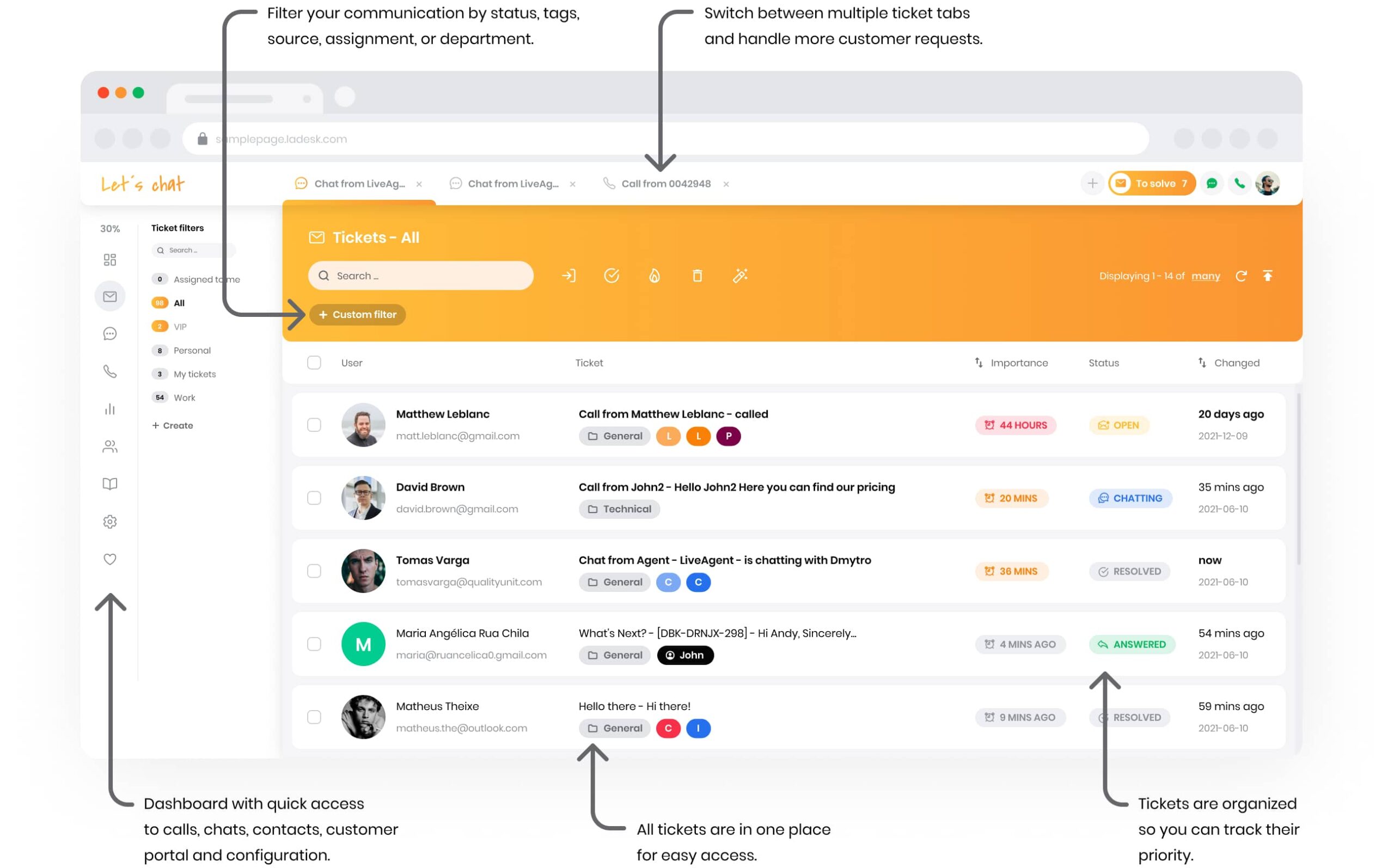
By organizing data from interactions, these systems also highlight operational bottlenecks, enabling more efficient customer service.
Enhancing customer experience
Enhanced customer interactions through omni-channel platforms ensure communication continuity, allowing support agents to manage customer tickets effectively and boost satisfaction.
Real-time analytics give businesses the tools to monitor ongoing interactions, customer sentiment, and [CSAT](/blog/customer-satisfaction-score-csat/ “Discover the power of the Customer Satisfaction Score (CSAT) and how it can elevate your business success. Learn the essentials of CSAT, from measuring customer happiness with straightforward surveys to integrating with tools like LiveAgent for seamless feedback collection. Uncover best practices and actionable tips to maximize CSAT’s impact on your customer service strategy. Explore the benefits, limitations, and complementary metrics like NPS and CES for a comprehensive understanding of customer satisfaction. Visit now to enhance your customer experience and drive long-term success!’) trends, facilitating quick response and experience optimization. Journey analytics help identify onboarding bottlenecks, improving satisfaction and reducing churn.
Engagement software supports personalized, proactive customer support, building loyalty and enriching the overall experience. Features like social media integration and individualized marketing in customer engagement platforms allow businesses to connect effectively and address customer pain points.
Improving brand loyalty
Actively engaging customers with personalized experiences significantly enhances brand loyalty, encouraging repeated business. Implementing loyalty programs can positively influence 68% of customers to continue shopping with a brand.
A staggering 91% of consumers prefer brands that are recognizable and memorable, especially when providing relevant offers. A customer engagement platform helps businesses nurture relationships, leading to stronger connections and improved loyalty.
Commitment to customer experience, reflected in higher engagement rates, is recognized by 94% of companies as pivotal for increased loyalty and conversion rates.
Reducing churn rates
A positive customer experience fosters loyalty, making customers less likely to switch to competitors and reducing churn rates. Effective customer interaction management improves overall experience, directly correlating with lower churn.
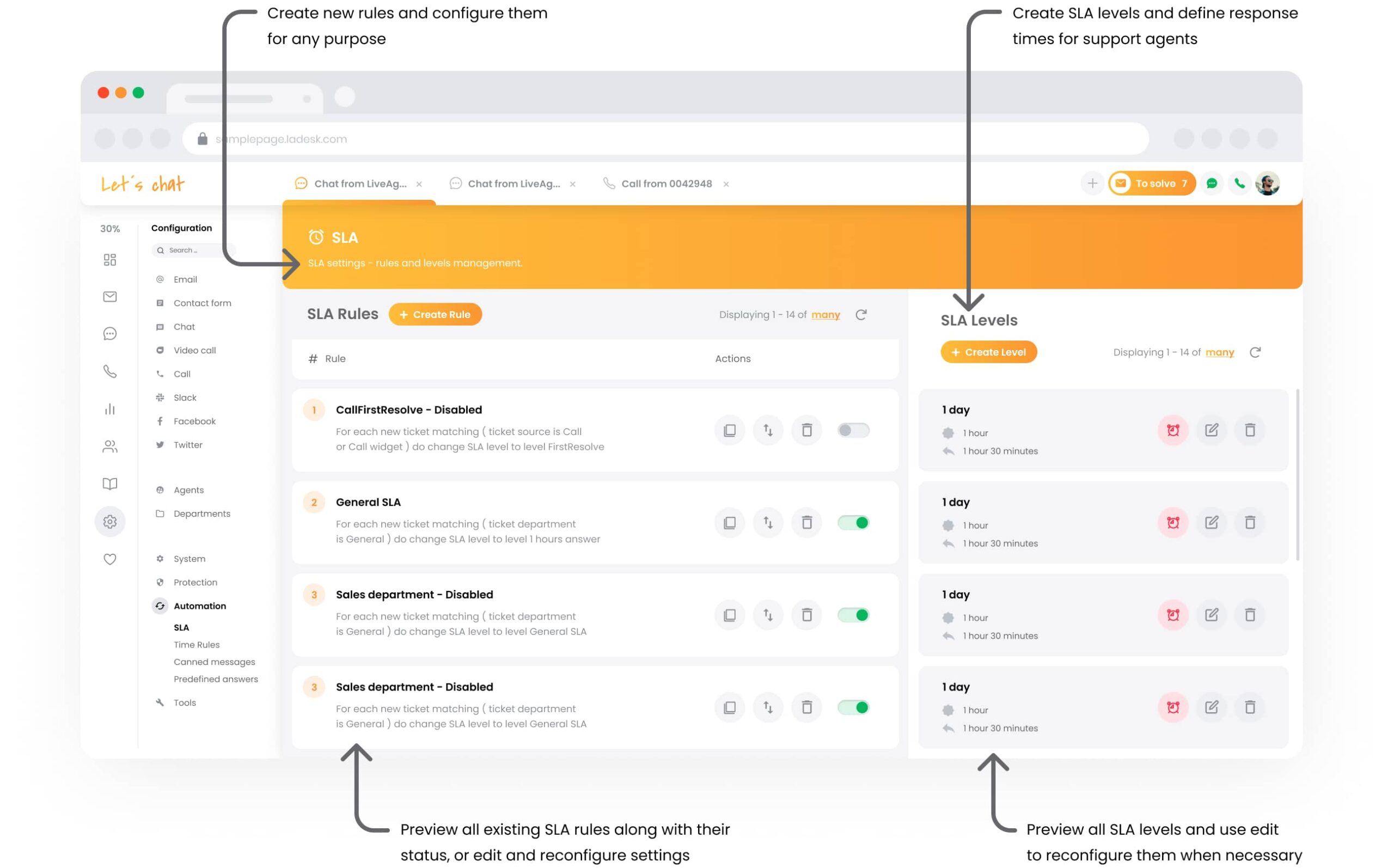
When customers feel understood and their needs met, they exhibit greater loyalty, strengthening retention efforts and minimizing churn. Consistent, happy interactions in [customer service](/customer-service-software/ “Discover the 10 best customer service software ranked by experts. Compare top tools like LiveAgent, Zendesk & Freshdesk to enhance support!””) promote lasting relations, reducing the likelihood of customers leaving.
Core components of a customer interaction platform
A customer interaction platform is a centralized system designed to collect, organize, and analyze customer data, enhancing interactions across various channels. It enables businesses to manage and optimize the customer journey by automating personalized messages based on specific variables such as device usage, order history, and social media activity.
Key features include real-time data analytics, which provide valuable insights into customer sentiment and trends, improving overall satisfaction and customer experience.
Multi-channel interaction management
Customer interaction management software offers an omni-channel platform that effectively gathers and organizes customer interactions across diverse communication channels.
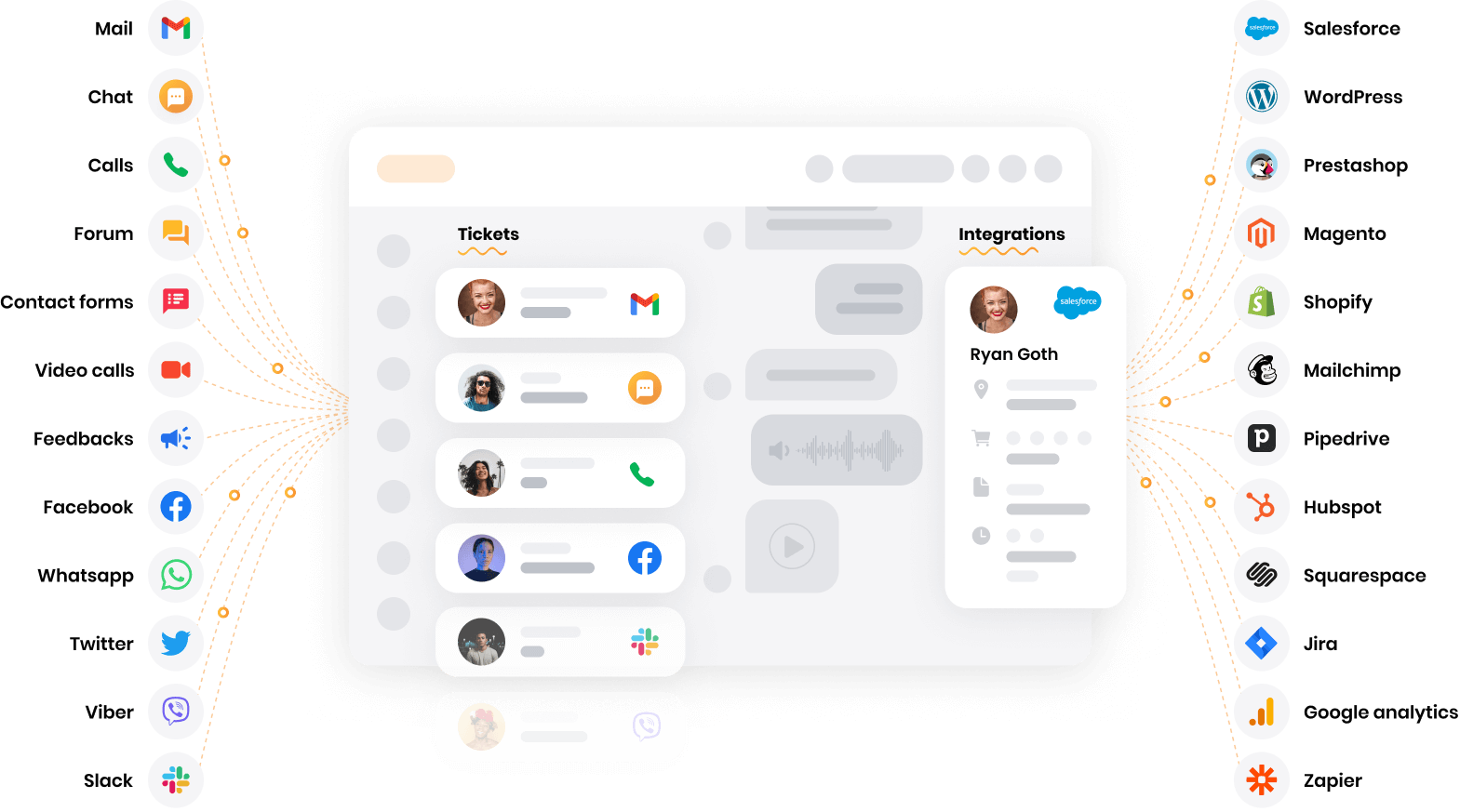
This integration enhances support by allowing seamless transitions between email, social media, live chat, and phone, aligning with customer preferences. Solutions like the Genesys Customer Interaction Management Platform ensure consistent handling of [customer communications](/academy/customer-communication/ “Master customer communication with LiveAgent’s 2024 guide! Learn strategies to boost satisfaction, build trust, and streamline interactions.’), funneling interactions from multiple channels into a unified system.
Feedback management
A robust customer interaction management system includes tools for gathering feedback after interactions, essential for continuous service improvement. Automated texts can prompt customers to review their experiences, heightening engagement and feedback collection.
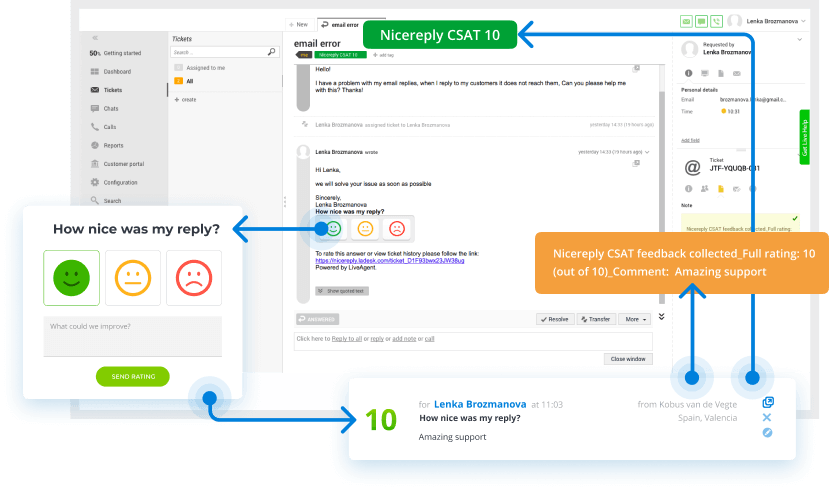
Businesses can utilize in-product surveys and self-service portals to gauge customer satisfaction , allowing for prompt issue resolution and strategic refinements based on feedback analysis.
Data analytics and reporting
Customer engagement platforms leverage data analytics to optimize the customer journey through personalized messaging across multiple devices. They provide comprehensive analytics and reporting tools that enhance agent performance and drive customer satisfaction. Features such as advanced segmentation allow businesses to tailor communications effectively, using data-driven insights.
A centralized data repository ensures quick access to interaction records, aiding in timely and contextual support.
Benefits of using a customer interaction platform
By maintaining a comprehensive data repository, the platform allows easy access to past interactions, which boosts decision-making efficiency. Additionally, the integration of AI and automation streamlines repetitive tasks, freeing up support teams to focus on complex issues and enhance productivity. Customer engagement platforms also excel in delivering personalized experiences at scale, fostering trust and loyalty through advanced analytics and optimization.
Increased efficiency in customer service
Customer engagement software optimizes communication channels and streamlines interactions, allowing businesses to focus more on enhancing the customer experience.
Automated capabilities within these platforms expedite the ticketing process, prioritize high-priority issues, and enable representatives to swiftly address core customer queries.
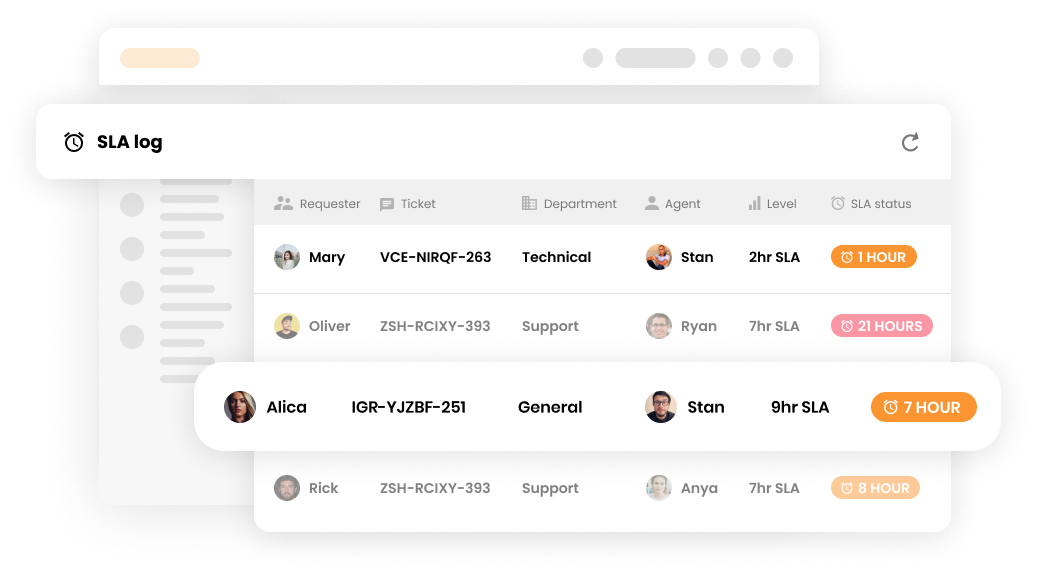
By utilizing a central engagement tool, companies efficiently manage relations across multiple messaging platforms, improving issue resolution and relationship management.
Advanced service level agreements (SLAs) further increase efficiency and transparency in customer service operations, while a unified approach to customer management supports customer retention and prevents disjointed experiences.
Real-time insights for better decision-making
Real-time data analytics in customer interaction platforms empower businesses to monitor and analyze customer behavior and trends effectively.
Using call analytics, companies can assess key metrics like response times and call abandonment rates, informing superior decision-making. Advanced tools, such as those offered by Sprinklr or Microsoft Dynamics 365, provide AI-powered insights that highlight emerging patterns, leading to smarter engagement strategies.
These capabilities ensure that businesses can swiftly adapt to market needs and optimize customer engagement efforts using data-driven insights.
Strengthened customer relationships
Strengthening [customer relationships](/customer-support-glossary/customer-relationship/ “Build lasting customer relationships with active listening, empathy, and personalization. Boost loyalty using LiveAgent’s customer service tools!’) is achieved by engaging across multiple channels and touchpoints, enabling businesses to deepen connections with their audience.
Interaction management software promotes transparent communication that influences customers’ loyalty decisions, reducing churn rates and boosting retention. Consistently nurturing relationships and addressing pain points enhance customer satisfaction and brand loyalty.
Strategies for optimizing customer interactions
By deploying a comprehensive customer interaction platform, businesses can streamline communication processes, enhance the customer journey, and gather valuable insights to refine their customer engagement models. Selecting the right tools involves evaluating features like real-time analytics, personalized interactions, and seamless integration across channels.
Customization and personalization
By utilizing a customer interaction management system, businesses can tailor communications to individual preferences and past behaviors. Advanced segmentation techniques categorize customers based on demographics and behavior, facilitating personalized and targeted communication.
Such systems help in delivering unique customer experiences that boost customer satisfaction and engagement.
Consistency across channels
Ensuring consistency in customer interactions across multiple communication channels is essential for a seamless customer experience. Customer interaction management software unifies data from social media, email, live chat, and other channels to provide context-aware responses.
This approach minimizes disjointed experiences, allows smooth transitions between communication platforms, and strengthens customer loyalty through personalized engagements.
Proactive engagement techniques
Proactive engagement is about anticipating customer needs before they arise. By leveraging AI and customer interaction tools, companies can automate repetitive tasks and predict customer requirements, thereby delivering timely and personalized services.
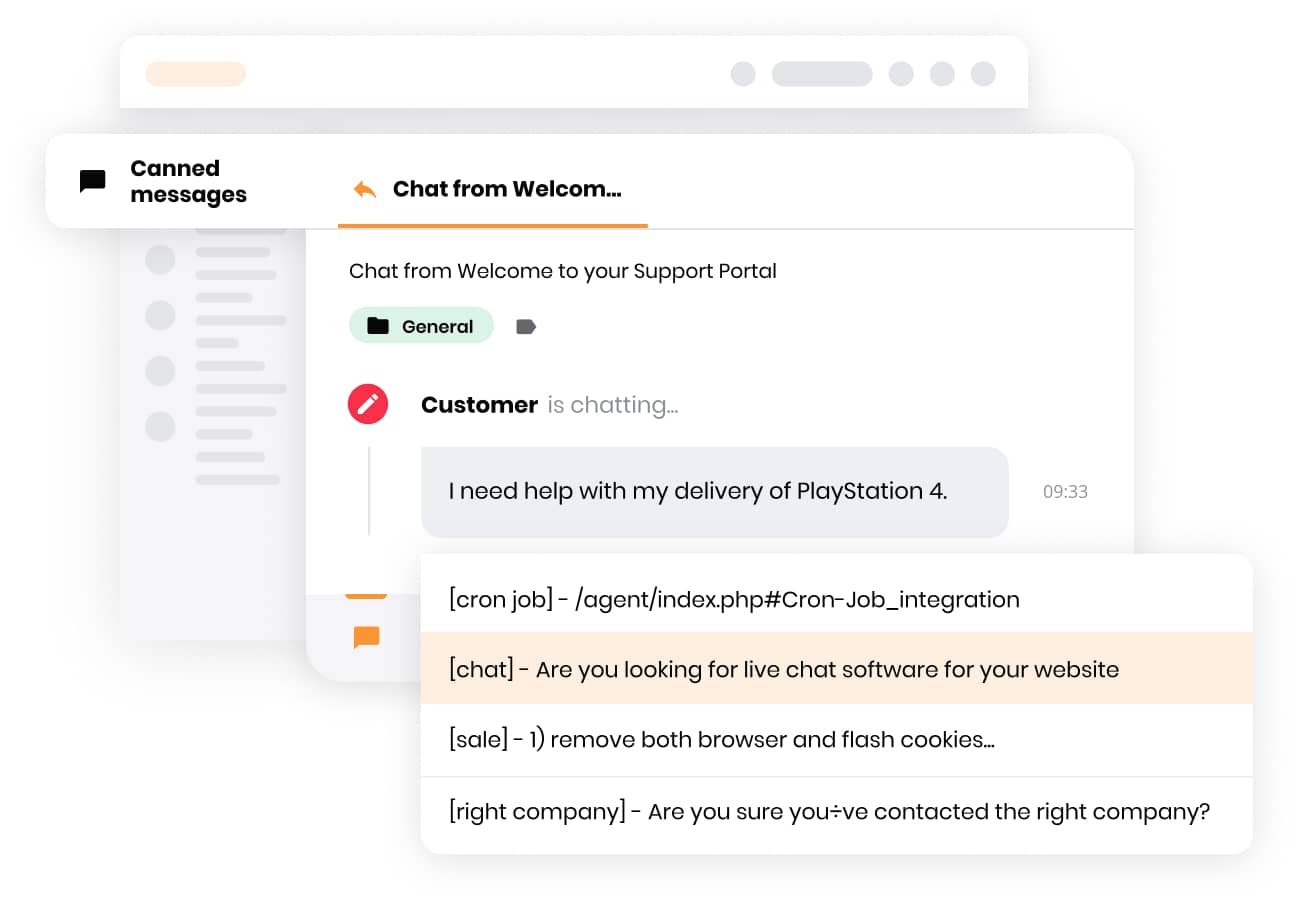
Utilizing journey analytics helps identify potential customer journey bottlenecks, allowing for customized onboarding and ongoing support. This strategy not only enhances customer satisfaction but also builds stronger emotional connections with the brand.
The role of AI in customer Interaction platforms
By leveraging AI, companies can tailor interactions based on predictive analysis of customer behavior. This not only improves satisfaction but also enhances customer loyalty and retention .
Personalizing customer experiences
AI enhances customer experiences by providing personalized recommendations based on purchase history, browsing behavior, and demographics.
For instance, AI-powered interactive voice response (IVR) systems greet users by name and suggest products based on previous interactions.
Automated systems can adapt website content, emails, and social media interactions in real-time, ensuring communications are relevant and engaging. Such tailored interactions lead to increased customer satisfaction and strengthened relationships.
Automating routine tasks
Platforms can handle tasks such as SMS campaigns and appointment reminders, while automation tools expedite the ticketing process and prioritize urgent customer queries. These enhancements lead to faster response times and heightened customer satisfaction.
Enhancing predictive analytics
AI-driven predictive analytics provides valuable insights by identifying customer behavior trends and anticipating needs. Tools like Qualtrics XM analyze conversational data to enhance customer journeys and experience.
AI facilitates real-time refinement of strategies, adapting to new data patterns and delivering timely, personalized content. Predictive analytics empowers businesses to proactively engage customers, ensuring interactions are always relevant and enhancing overall experience.
Top customer engagement platforms in 2025
Selecting the right customer interaction platform is crucial for enhancing customer satisfaction and driving loyalty. Leading customer engagement platforms in 2025 include LiveAgent, Astute Solutions, Avaya, LivePerson, and others like WalkMe and Pega. These platforms centralize customer interactions and integrate various features such as CRM capabilities and social media integration .
This omnichannel approach meets customer expectations and ensures personalized experiences across diverse communication channels.
Overview of leading solutions
LiveAgent stands out as a top-tier live chat and engagement solution, enabling seamless interactions across online and mobile channels. Astute Solutions is recognized for its high service ratings, highlighting its effectiveness in customer engagement strategies. Nuance Digital Engagement Platform and Pega leverage advanced technology and analytics to elevate customer interactions. These platforms blend customer support tools and engagement features, creating a unified source of customer data and enhancing the overall experience.
Features comparison
Customer engagement platforms empower businesses with omnichannel interaction capabilities, managing communications through email, social media, and live chat. They excel in customer journey mapping and management, creating cohesive experiences.
Advanced platforms offer real-time interaction analytics, optimizing conversations based on customer sentiment. Features like content [personalization](/customer-support-glossary/personalize/ “Discover the meaning of personalization in customer service! Enhance satisfaction, loyalty, and efficiency with LiveAgent’s tailored tools.’) and behavioral targeting allow tailored marketing efforts, evolving from traditional CRM systems to include AI-based recommendations and insights.
Pricing and scalability factors
The starting price for these platforms is typically around $15per month per agent, with free trials often available for evaluating their effectiveness. Prioritizing scalability is essential, ensuring these tools can handle growth and increased engagement requirements. Flexibility in pricing structures is beneficial, accommodating any minor usage excesses. Evaluating the cost against the potential ROI helps businesses gauge the true value and effectiveness of the chosen customer engagement tool .
Future trends in customer interaction management
The future of Customer Interaction Management (CIM) is set for significant transformation, driven by rapid market growth in customer relationship management. Expected to grow by nearly 14% from 2024 to 2030, this expansion is supported by the integration of AI-powered tools like agent assist. These tools enhance contact center efficiency by streamlining interactions and reducing average handling times, thereby boosting productivity.
Advanced CIM systems now incorporate real-time data analytics, allowing for swift customer issue resolution. This capability enables businesses to optimize interactions on the fly, meeting the demand for prompt service. Additionally, automated workflows and communication processes within CIM software help businesses save time and ensure consistent [communication with customers](/academy/customer-communication/ “Master customer communication with LiveAgent’s 2024 guide! Learn strategies to boost satisfaction, build trust, and streamline interactions.’).
Effective channel optimization is becoming increasingly vital, with businesses needing to engage customers across a wide range of communication methods. Ensuring seamless interactions across these channels is key to maintaining customer satisfaction and meeting modern expectations. By integrating these tools and strategies, businesses can improve customer experiences, leading to higher customer loyalty and retention.