


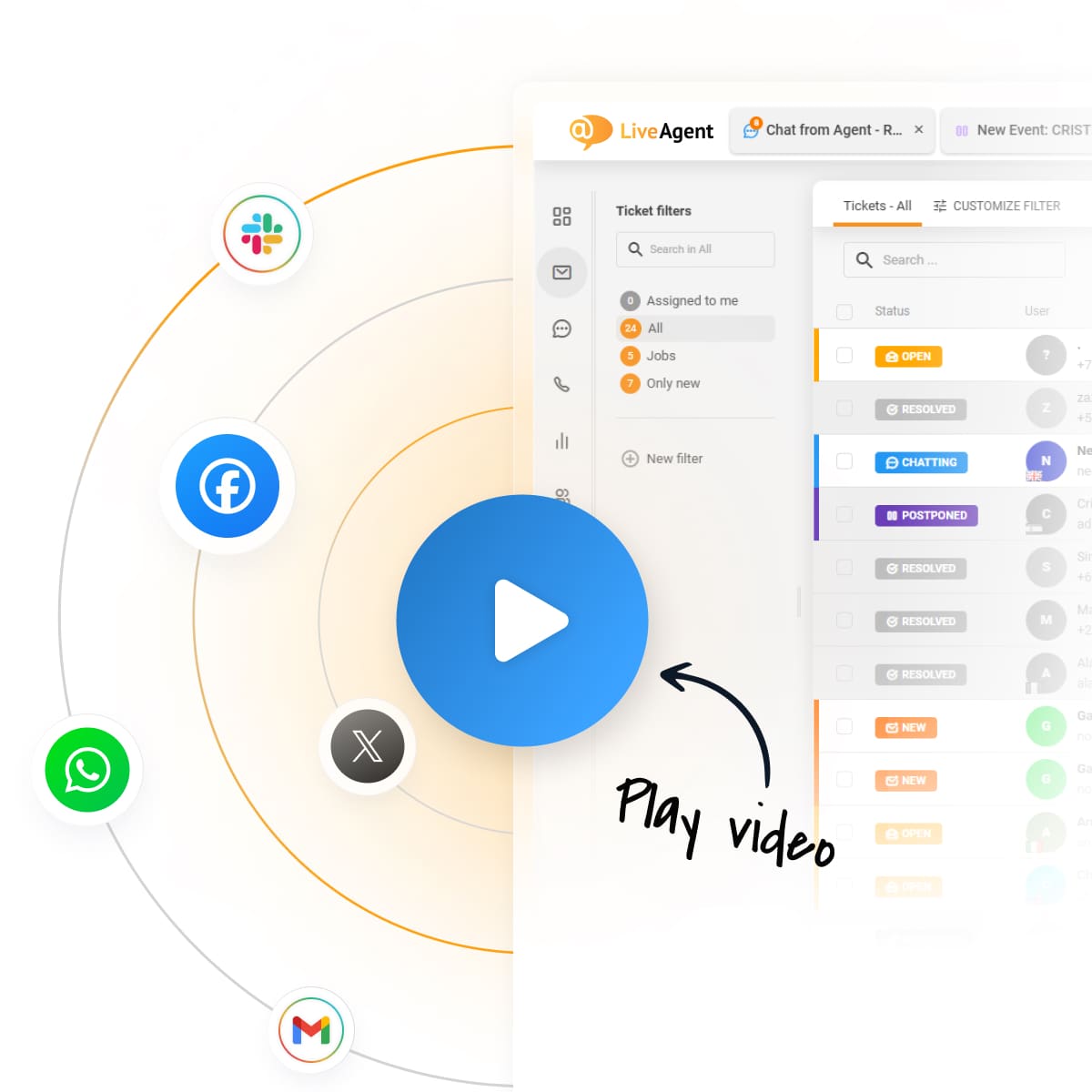
Online Customer Service
Master online customer service in 2025! Boost satisfaction with live chat, email, social media support. Learn best practices and tools. Try LiveAgent free!
6 min read
Customer support
Online Service
+1

Discover the essentials of real-time customer support, including trends like live chat and customer communities, and strategies such as speed, accessibility, and personalization to enhance user experience and boost revenue.
With real-time customer support becoming a cornerstone of consumer satisfaction, understanding its nuances is essential for any enterprise aiming to stay competitive.
Real-time customer support encompasses immediate assistance through various platforms, enabling businesses to address customer concerns as they arise. The benefits are profound, ranging from faster issue resolution to higher sales conversions, transforming the way companies interact with their clientele. As we look ahead to 2025, integrating cutting-edge technology and streamlined communication channels will be critical to delivering exceptional support.
In this article, we will explore effective strategies for implementing real-time customer support, highlighting key tools and seamless integration options.
Real-time customer support refers to the ability of businesses to provide immediate assistance and resolve issues as they happen. This direct communication is mainly conducted through channels such as live chat, phone calls, video conferencing, and social media. These avenues allow seamless interaction between customers and service representatives, reducing wait times for faster resolutions.
This form of support is crucial in meeting the growing expectations of customers. As people seek speed and efficiency, businesses must adapt by offering quick solutions to inquiries and concerns. By doing so, companies can boost customer satisfaction, foster loyalty, and stimulate growth.
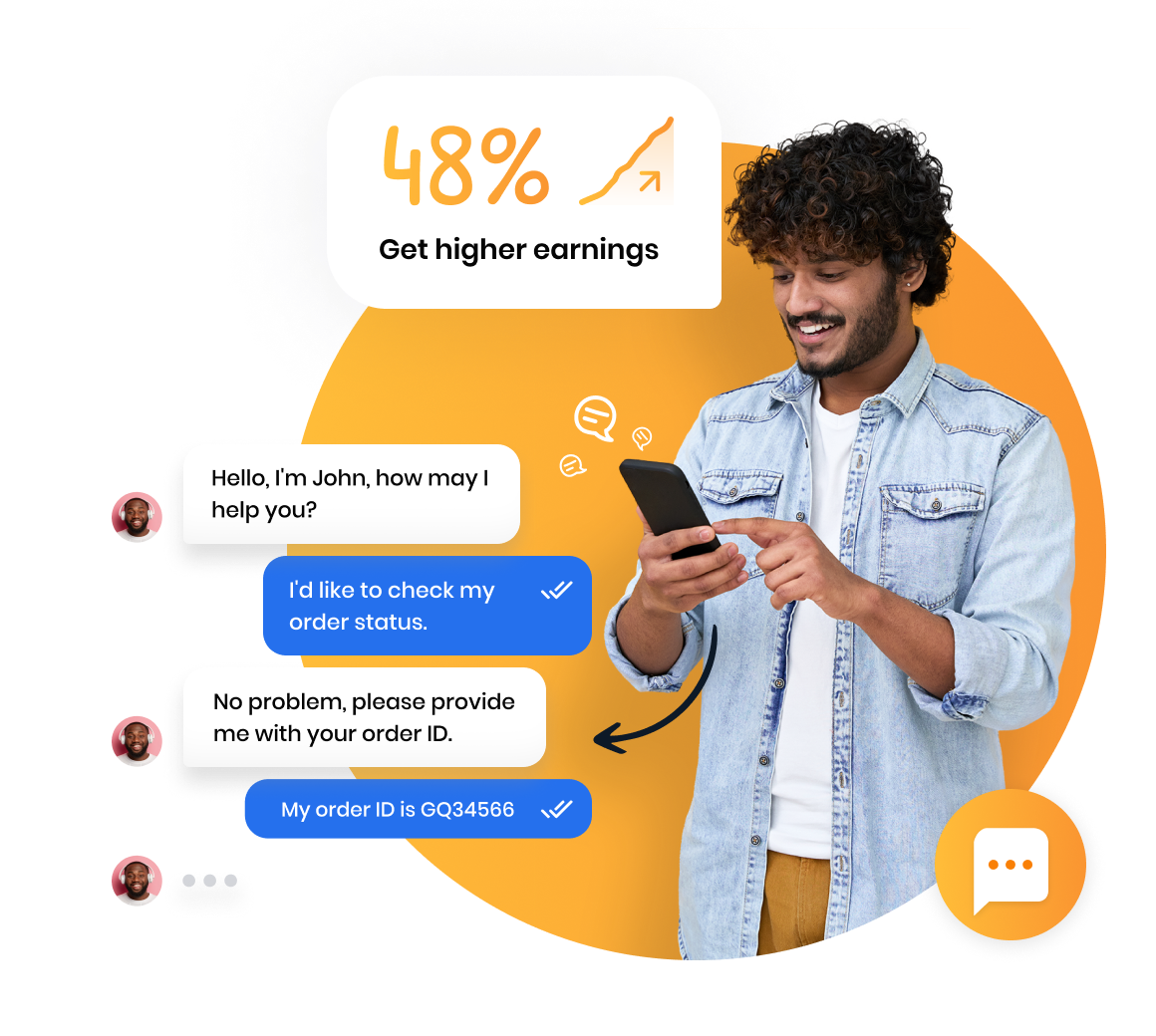
Smartphone applications serve as pivotal tools in this process. They offer 24/7 self-service options, enabling customers to connect with brands and request help anytime. This access ensures that customers experience convenience and ease, strengthening their relationship with the company.
With the help of technology, businesses can address inquiries promptly, meeting evolving customer expectations. This not only boosts satisfaction but also builds loyalty by fostering personalized experiences. Communication tools such as live chat and social media play a key role in delivering this fast and efficient service.
Customers can receive quick answers without long waits or tedious back-and-forths. This efficiency minimizes the need for elevating issues to higher management levels, saving both time and resources. Implementing conversation summaries and using categorized queries ensures that pressing concerns are swiftly addressed. Such strategies prevent delays and streamline support processes.
An omnichannel approach helps reach customers on their preferred platforms, enhancing their experience. By continuously gathering feedback and analyzing performance, businesses can improve service levels.
Offering self-service options like detailed knowledge bases empowers customers to solve issues on their own. Real-time engagement boosts overall performance, leading to improved satisfaction and more opportunities for upselling.
Immediate customer engagement is linked to higher sales success. Real-time interactions allow businesses to connect with more customers through diverse channels, increasing their chances of closing sales. Satisfied customers are more likely to return, buy more, and recommend services to others. Building trust through instant and personalized support enhances a company’s credibility.
Efficiency in operations is key to delivering effective real-time support. By refining workflows and eliminating bottlenecks, businesses can ensure faster resolutions and less frustration for customers.
Updating knowledge bases and self-service resources helps in solving inquiries independently, enhancing user experience. Monitoring key performance indicators, coupled with customer feedback, allows data-driven improvements. Clear processes and structured protocols guarantee efficient 24/7 support.
In 2025, customer expectations are higher than ever. Customers want immediate help and seamless communication through their preferred platforms. A successful real-time customer support system must adapt to these trends by leveraging multiple channels effectively.
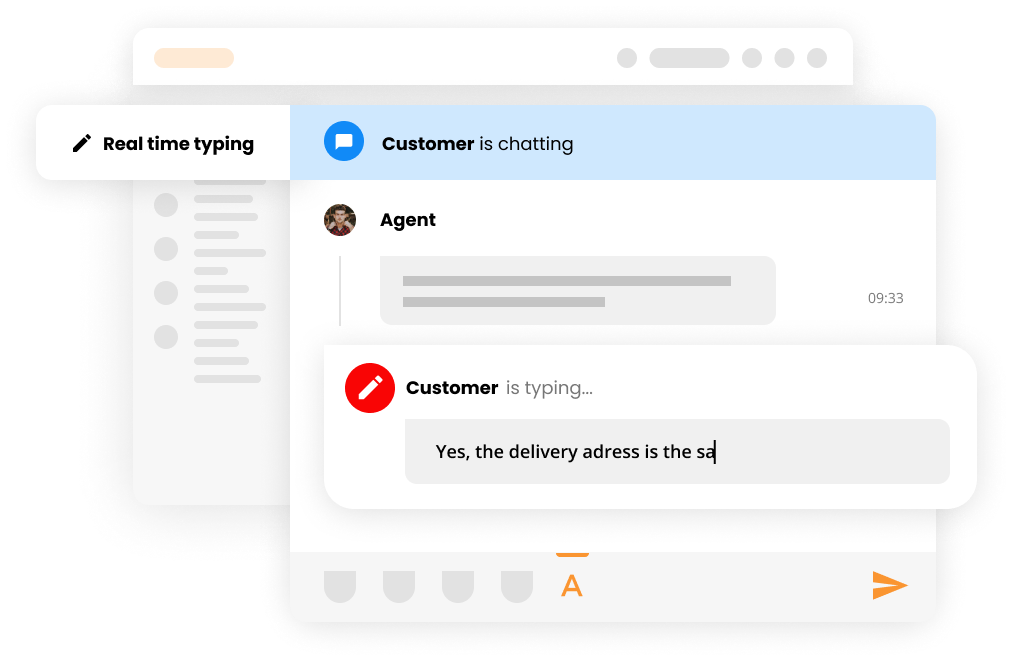
Live chat is a staple of real-time customer support and should be a cornerstone of your strategy. It enables direct communication between customers and human agents on websites or mobile apps. This real-time support channel simplifies operations by integrating with familiar tools like MS Teams or Slack, eliminating the need for additional interfaces.
With live chat, visitors can receive instant assistance, making it easier for businesses to resolve issues on the spot. The integration of AI chatbots within live chat systems can handle routine inquiries, escalating complex issues to human agents when necessary. Furthermore, incorporating video chat and co-browsing can enrich the user experience, providing more dynamic solutions to intricate problems.
Social media platforms such as Facebook, Twitter, Instagram, and LinkedIn have revolutionized customer interactions. They allow businesses to address inquiries and concerns in real-time. With billions of users, these platforms offer vast reach and diversity for customer support.
Supporting customers on social media can resolve issues quickly and enhance brand commitment to excellent customer service, protecting the brand’s online reputation. A strategic approach involves constant monitoring, skilled agents adept in brand tone, and social listening tools to catch and address customer pain points proactively.
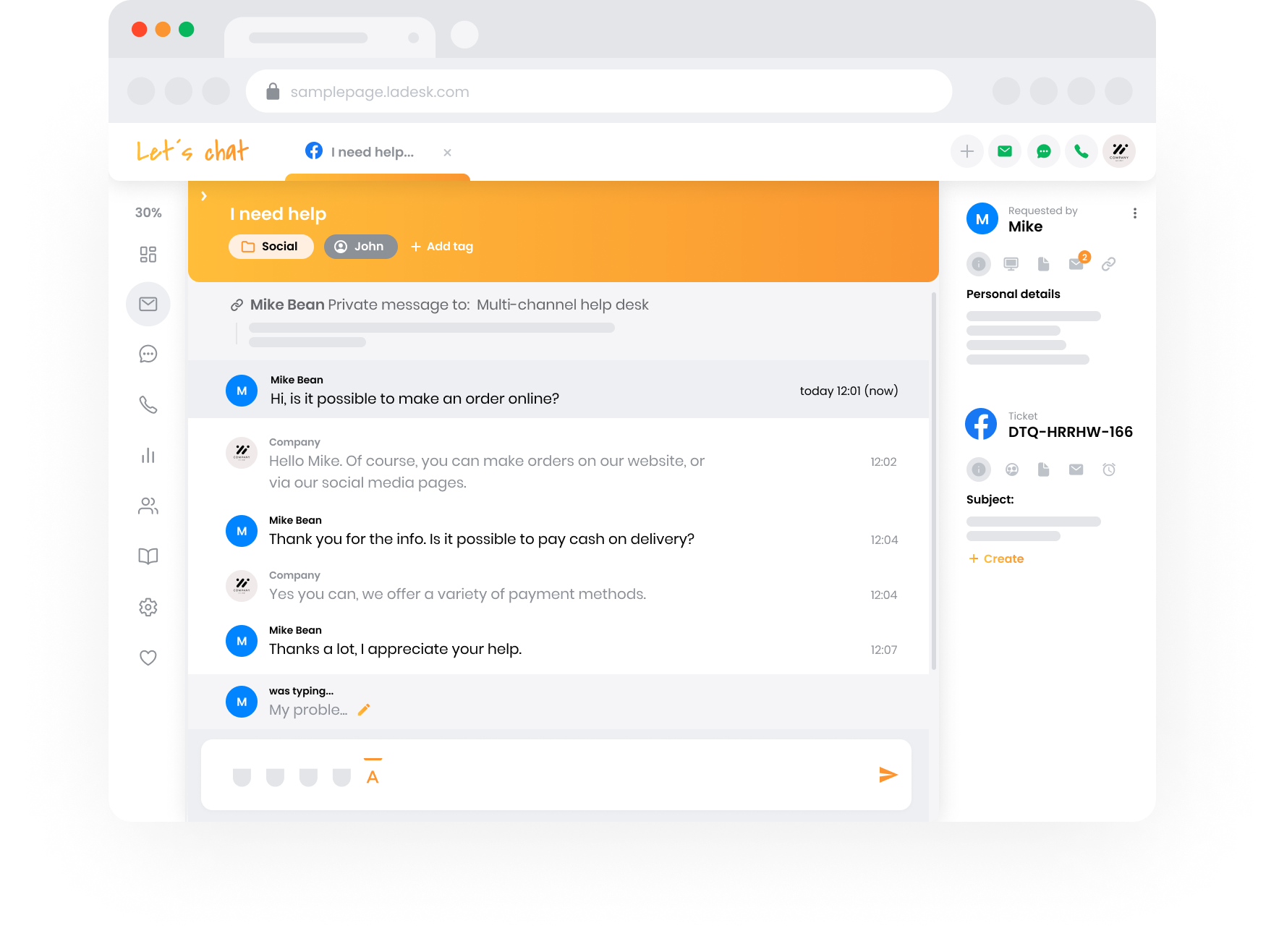
However, it’s crucial to remember that while social media allows for fast initial responses, some issues might require a more private, detailed handling via other channels.
Messaging applications like WhatsApp and SMS are personal and convenient, tapping into the ubiquity of mobile devices. They facilitate one-on-one conversations, enabling businesses to provide personalized support tailored to individual needs. The use of multimedia in these apps can assist greatly with troubleshooting and offering visual guidance.
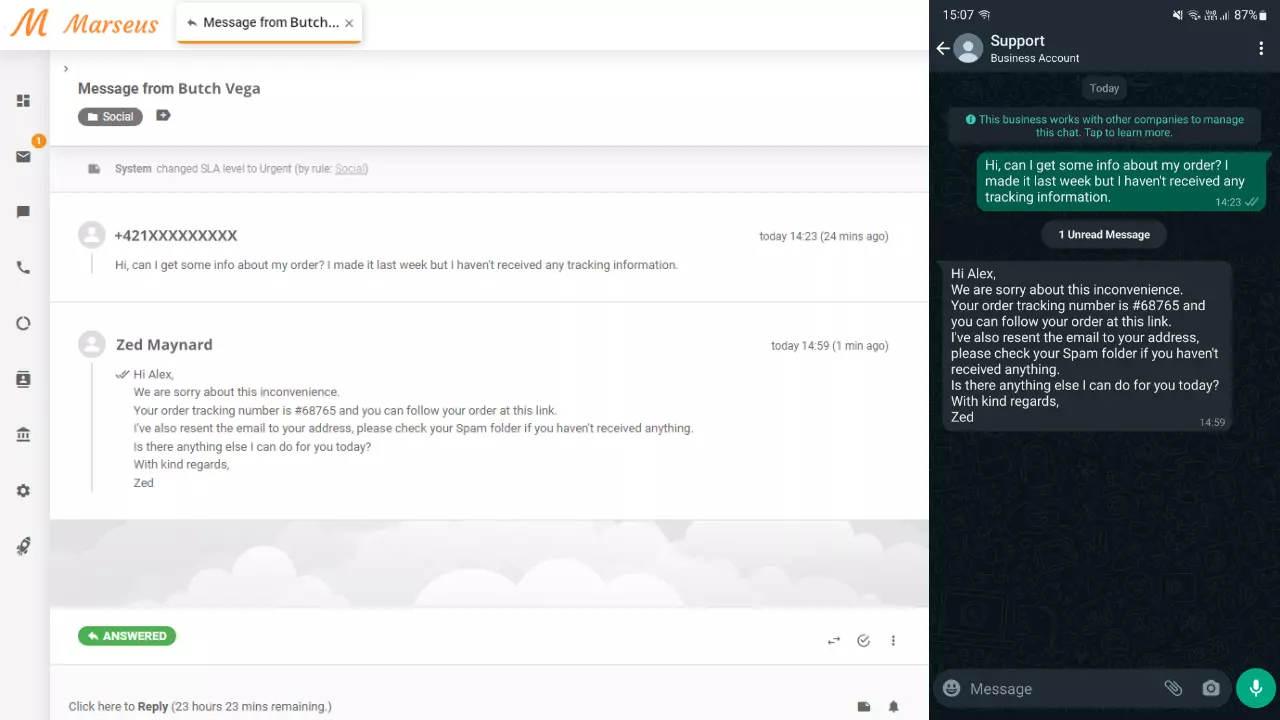
To make the most of messaging apps, companies should define clear opt-in processes and employ automated routing and responses. Conversational AI chatbots deployed on these platforms can offer personalized, round-the-clock support. LiveAgent integrates seamlessly with WhatsApp, ensuring businesses deliver swift and effective communication, keeping customers happy and loyal.
A remarkable 81% of consumers try to solve their problems on their own before contacting live representatives. This trend underscores the importance of self-service in meeting customer expectations. Self-service portals, such as FAQs and troubleshooting guides, offer an efficient and empowering experience. Customers can find answers at their convenience, fostering a sense of autonomy.
Furthermore, effective self-service options can reduce the load on customer service teams. By handling routine inquiries, these systems allow representatives to focus on complex issues that require their expertise.
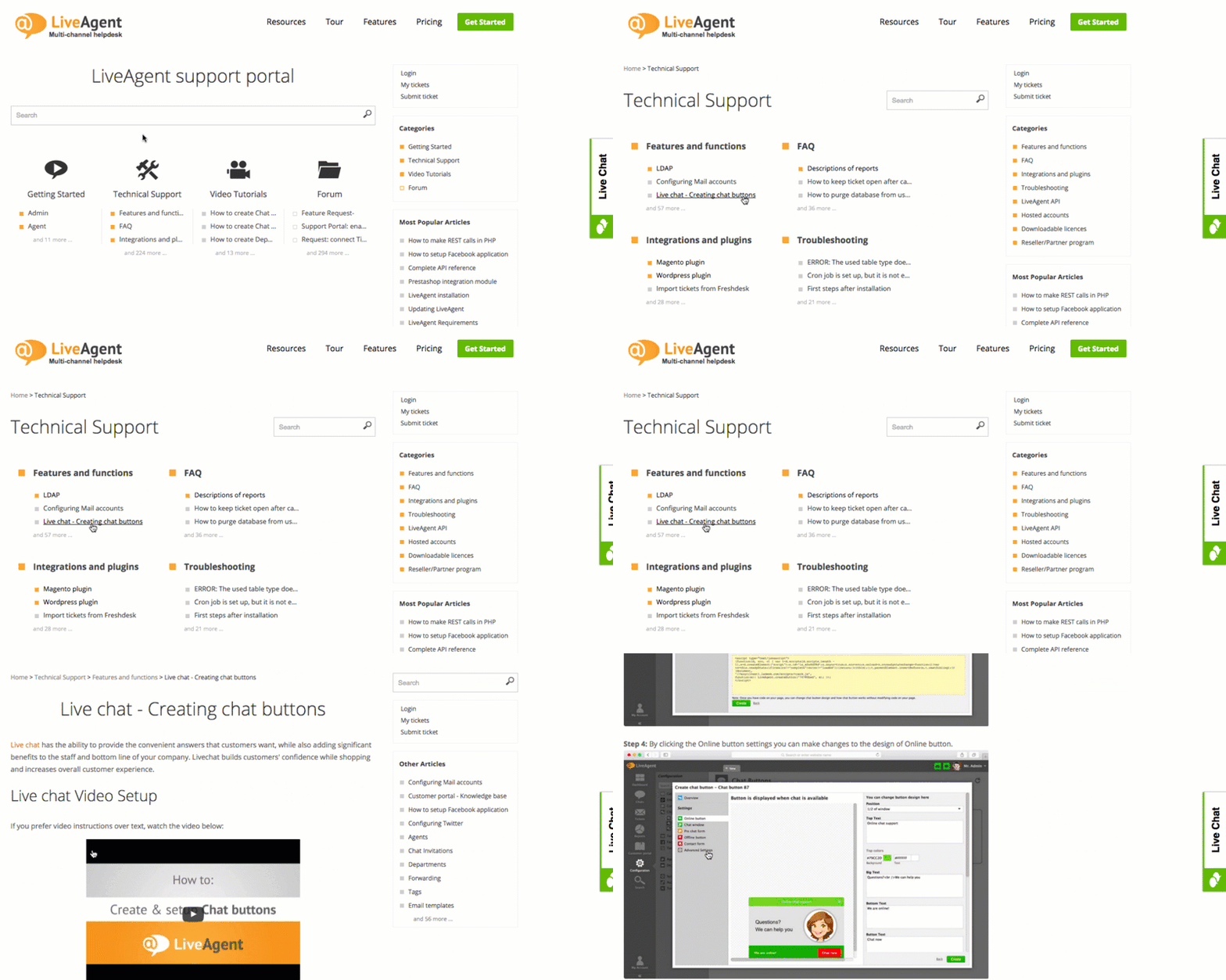
However, it’s crucial to balance self-service with real-time support. Customers should seamlessly transition to human agents when their needs exceed the capabilities of self-service options. This ensures a smooth and satisfying customer interaction.
Chatbots are transforming how businesses provide real-time support. With 24/7 availability, chatbots ensure customers receive immediate assistance, even outside traditional business hours. This is particularly valuable for companies experiencing fluctuating customer demand. Chatbots can handle multiple customer inquiries simultaneously, making them highly scalable. They efficiently manage routine inquiries, which frees human agents to tackle complex issues.
Designing chatbots with a clear escalation path is crucial. This path allows for a smooth handover to human agents when personalized support is required. By integrating natural language processing, chatbots can offer contextual responses, enhancing the user’s experience. Platforms like LiveAgent are leading the way in providing efficient chatbot solutions.
An effective knowledge base is a cornerstone of excellent customer service. It serves as a comprehensive library that houses FAQs, tutorials, troubleshooting guides, and best practices. These resources are essential for helping customers resolve issues on their own. The knowledge base should be easily searchable and organized by product or service categories.
Regular updates with new content are vital to keep the knowledge base accurate and relevant. This empowers customers to independently solve their issues, allowing support teams to focus on more complex tasks.
Features like customizable portals and multi-channel delivery enhance the user experience. Such features streamline support operations and contribute to customer satisfaction.
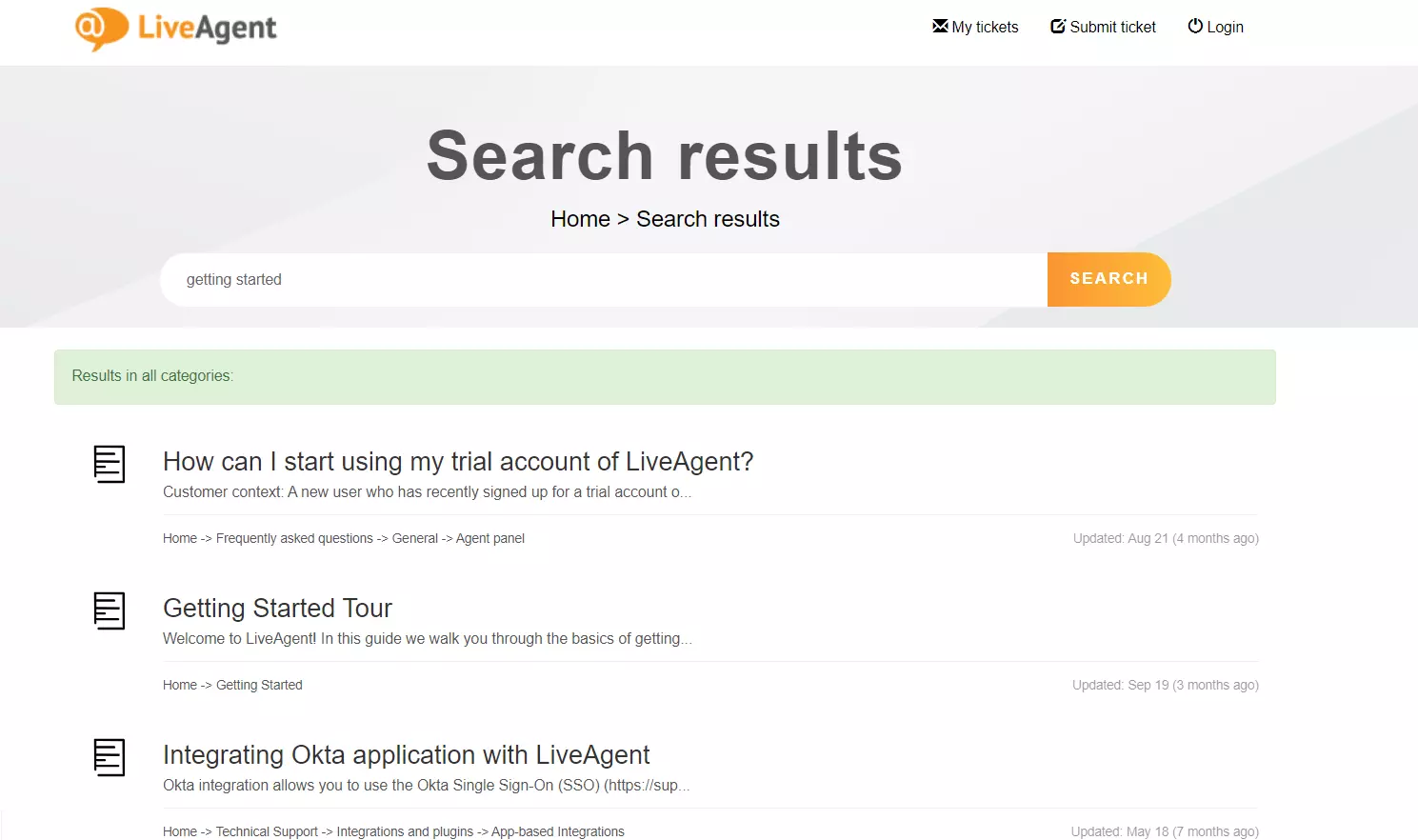
By 2025, real-time customer support will rely on a blend of self-service, chatbots, and knowledgeable human agents. LiveAgent is pioneering these solutions, ensuring customers have a positive and personalized experience every time.

The latest tips and deals delivered straight to your inbox.
Here are some key strategies for implementing the best real-time customer support in 2025.
1. Emphasize speed of response: Aim to answer customer inquiries as quickly as possible. This reduces wait times and boosts customer satisfaction. Implementing systems like LiveAgent ensures instant replies and keeps communication efficient.
2. 24/7 accessibility: While challenging, providing support at all hours maximizes customer engagement. Utilizing AI and automation can facilitate around-the-clock service, addressing routine inquiries swiftly and alerting only the necessary human agents for complex issues.
3. Leveraging technology: Use AI, data analytics, and omnichannel platforms to improve support quality. AI can process simple questions, while humans can tackle more nuanced problems, creating a seamless user experience. Integrating WhatsApp allows customers to connect conveniently from their mobile devices.
4. Self-service options: Empower customers with resources like knowledge bases and chatbots. This helps them find solutions on their own, enhancing their experience and reducing the burden on customer service teams.
5. Measurement and optimization: Continuously measure support metrics. Focus on improving resolution times and customer satisfaction scores. This ongoing evaluation will help pinpoint areas for improvement, refining your strategy over time.
To deliver excellent real-time support, training your support staff is crucial. Here’s how to train teams effectively:
Integrating cutting-edge support tools and technology can vastly improve real-time support. Here’s how:
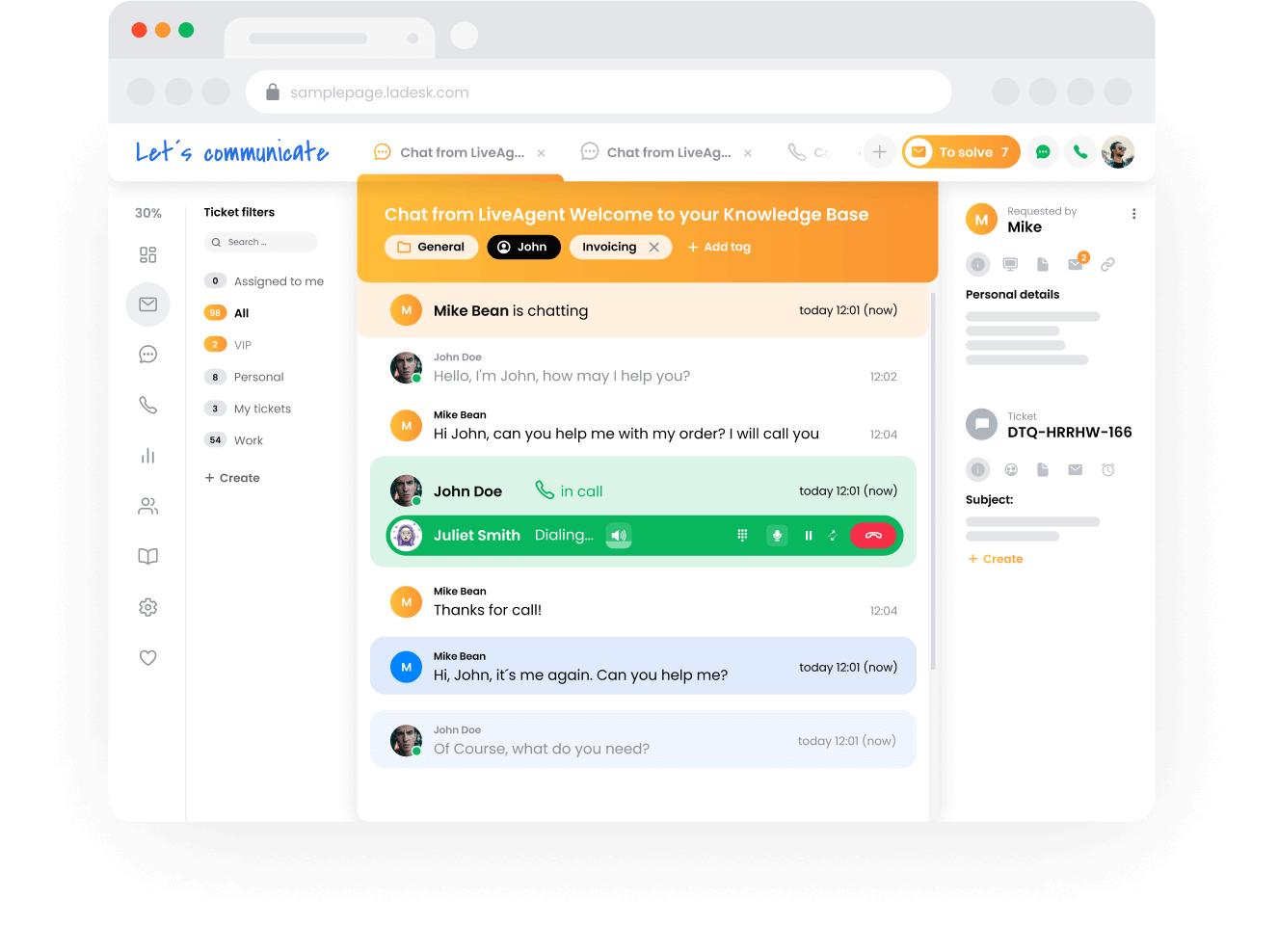
Utilizing a comprehensive approach that includes fast response times, continuous training, and advanced technology integration ensures successful real-time customer support, meeting and exceeding customer expectations.
In 2025, providing top-notch real-time customer support means constantly evaluating and improving your strategies. Regularly analyzing customer feedback, usage patterns, and performance metrics is vital. This will help you maximize the effectiveness of your support services. By doing so, you can make continuous improvements informed by data, enhancing areas such as your knowledge base, chatbot conversations, and IVR (Interactive Voice Response) menus.
Integrating self-service options into real-time support provides customers with a comprehensive range of assistance. This caters to diverse needs and optimizes resource allocation. Providing clear guidance on how to access and use these options can enhance the overall customer experience. Real-time support must not only address immediate issues but also meet customer expectations. This can be ensured by continuously refining support strategies.
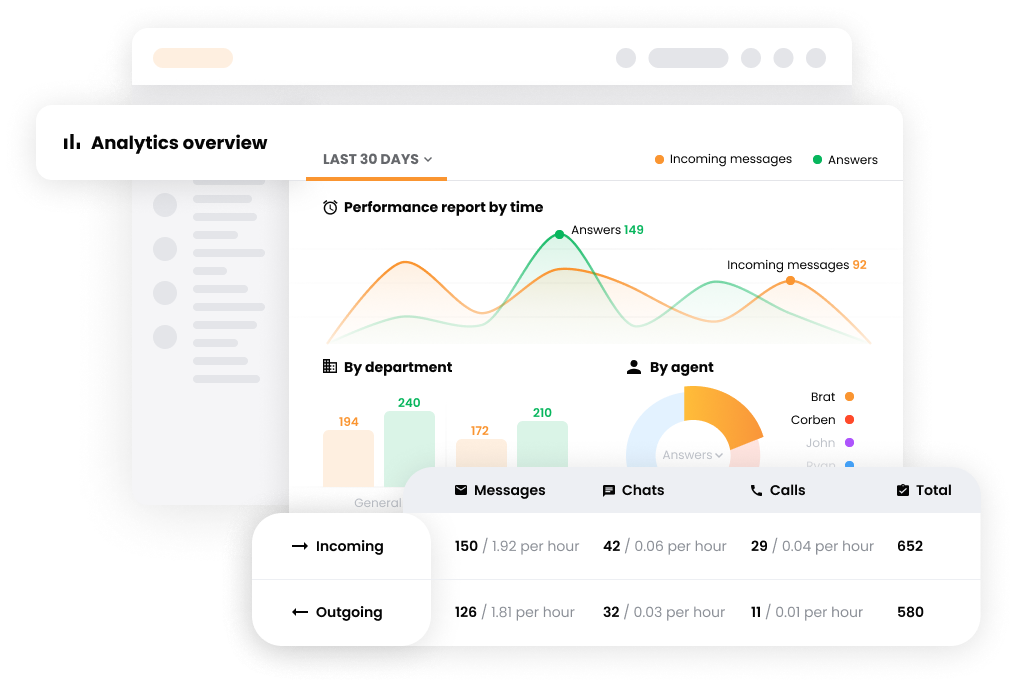
Tracking Key Performance Indicators (KPIs) is essential for understanding how effective your real-time support is. KPIs help businesses gauge customer satisfaction, agent performance, and service quality. This enables data-driven enhancements in real-time support. Real-time analytics and reporting tools offer insights that empower managers to make informed decisions. These decisions help to boost both service efficiency and quality.
Customer service dashboards play a crucial role in this process. They let support teams visualize metrics and monitor their performance effectively in a fast-paced environment. It’s important to keep an eye on voice channel-related KPIs, such as average answer times and abandonment rates. This helps in understanding and optimizing customer interactions. By regularly measuring KPIs and gathering feedback, companies maintain an iterative approach to improving real-time support offerings.
Key metrics to monitor include:
Listening to customers’ frustrations can uncover hidden issues. For instance, you might find inadequately answered FAQs or ineffective chatbots. Valuable insights from feedback can lead to opportunities for service enhancement. These are insights that might not be identified through positive feedback alone.
Actively seeking and valuing customer feedback is a powerful tool for continuous improvement in service delivery. Engaging with this feedback helps ensure your company meets customer expectations consistently.

Consider these steps for effective feedback collection:
Analyzing customer feedback can lead to service enhancements. Often, these improvements might not be identified through positive feedback alone. By valuing feedback, your business can continuously improve its service delivery.
| Method | Advantage |
|---|---|
| Surveys | Provides structured, quantifiable data |
| Social Media | Offers real-time insights and broad reach |
| Feedback Forms | Easy access for customers to voice opinions |
Actively seeking feedback is a tool for continuous improvement, ensuring your service evolves to meet customer expectations.
AI-driven solutions like chatbots excel at managing routine inquiries, allowing human agents to dedicate their efforts to complex issues that require empathy and problem-solving skills. This not only improves customer experiences but also boosts overall customer satisfaction and loyalty.
AI and machine learning algorithms empower businesses to predict customer needs and identify potential issues before they escalate. By analyzing data from previous interactions and browsing patterns, predictive models can offer tailored, real-time support through preferred communication channels like chat software or email.
Personalization is a key ingredient in providing outstanding customer service. Most customers (81%) prefer interactions tailored to their past purchases and preferences. To achieve this level of personalization, businesses must gather and analyze data such as purchase history and browsing behavior. This is facilitated by CRM software, which organizes customer data and makes it easily accessible to support agents.
Dynamic website pages that showcase previously viewed items or suggest complementary products enhance the personalized experience. Additionally, when customer service representatives have a comprehensive view of a customer’s history and preferences, the support they provide can be more tailored and effective, leading to a positive experience.
By examining browsing patterns, purchase history, and prior interactions, businesses can pinpoint potential areas of concern and act before they become problems.
AI-driven predictive models can analyze customer behavior and preferences to provide personalized assistance through their chosen communication channel in real-time. This data-driven approach not only enhances real-time support but also strengthens customer relationships by showing attentiveness to individual needs.
| Feature | Advantage |
|---|---|
| AI Chatbots | Manage routine inquiries and free up human agents |
| 24/7 Availability | Ensures prompt resolution of customer inquiries |
| Personalized Interactions | Tailored communication based on past behaviors |
| Predictive Analytics | Identify potential issues and offer proactive solutions |
For businesses aiming to excel in customer service by 2025, tools like LiveAgent, which includes WhatsApp integration, are invaluable. They offer robust solutions for real-time customer support, combining the power of AI and human expertise to deliver exceptional service.
In conclusion, real-time customer support is pivotal for boosting customer satisfaction and loyalty. Nearly 53% of customers expect solutions within a day, and offering quick responses can meet these expectations effectively. The integration of AI agents and automated systems allows businesses to manage a high volume of inquiries efficiently, providing 24/7 support. This setup not only caters to routine inquiries but also ensures customer inquiries are addressed swiftly.
Embracing a customer-first mindset in operation enhances trust by focusing on customer needs over mere profits. Moreover, merging self-service options with seamless transitions to real-time human support improves customer experiences. This dual approach optimizes resource allocation and maintains a positive image of the brand.
Real-time support not only resolves issues instantly but also strengthens brand-customer relationships. It helps businesses capture vital customer feedback, enhancing their services further. One effective solution for implementing such support is LiveAgent, which offers comprehensive features including WhatsApp integration.
Focus on real-time solutions can transform customer interactions, maintain customer loyalty, and foster long-term relationships.
Share this article
Daniel oversees marketing and communications at LiveAgent as a member of the inner product circle and company top management. He previously held various managerial positions in marketing and client communication. He is recognized as one of the experts on AI and its integration into the customer service environment.

Master online customer service in 2025! Boost satisfaction with live chat, email, social media support. Learn best practices and tools. Try LiveAgent free!
Discover the power of live customer service with real-time support through live chat and video. Enhance customer satisfaction and retention with LiveAgent.

Discover 23 must-know live chat statistics for 2025 revealing growth trends, customer preferences, and the impact on satisfaction and sales. Learn about chatbot...
Cookie Consent
We use cookies to enhance your browsing experience and analyze our traffic. See our privacy policy.