Discover proactive customer service: tips, benefits, and more
Explore proactive customer service to enhance customer satisfaction through anticipation and issue prevention. Learn tips, benefits, and real-world examples to transform your approach and boost loyalty.
Welcome to the comprehensive guide on proactive customer service, where you’ll discover actionable tips, undeniable benefits, and insightful examples. Businesses aiming for the pinnacle of customer satisfaction can no longer rely on traditional reactive methods; proactive customer service is the game-changer you need.
Statistics show that 87% of U.S adults want to be proactively reached out to by a company for customer service related issues. By the end of this article, you will learn how to transform your approach to customer service, enhance your customer experience, and significantly boost your customer base.
What is proactive customer service?
Proactive customer service is a strategic approach where businesses anticipate and address customer needs and issues before they arise, rather than reacting to them after the fact. This approach shifts the focus from problem resolution to problem prevention, enhancing customer satisfaction and loyalty by demonstrating attentiveness and care in service delivery.
A key aspect of proactive customer service is its reliance on data and customer insights to predict and resolve potential issues.
Proactive customer service means anticipating issues and addressing them before they impact customers. For example, an online streaming service might use data analytics to detect that many viewers abandon a movie due to buffering at a specific point. To prevent more unhappy customers, the service can optimize streaming quality proactively, ensuring a seamless customer experience.
They might also communicate directly with affected users through app notifications, SMS messages, or email newsletters, explaining the issue, confirming it has been resolved, and offering a free movie rental as a gesture of goodwill. By incorporating personalized recommendations, monitoring social channels, and gathering feedback through surveys, the service fosters stronger customer sentiment, enhances customer retention rates, and empowers customer support teams to deliver exceptional customer service that extends customer lifetime.
This proactive customer service approach not only prevents the escalation of issues but also builds a positive brand reputation, as customers feel valued and cared for without having to voice their concerns. This leads to a more loyal customer base and can set a company apart from competitors who may only offer reactive customer service solutions.
Why is proactive customer service important?
Operating proactively builds trust and can significantly enhance customer loyalty. It shows customers that you value their time and satisfaction by not just reacting to problems, but by preventing them. By anticipating and addressing customer needs before they escalate, businesses can not only improve customer experience, but also reduce the operational costs associated with reactive service methods.
Supporting this approach, research has shown that proactive customer service initiatives can lead to a significant decrease in call center interactions. Over a 12-month period, implementing proactive measures can reduce call center calls by 20-30%, consequently lowering operating costs by up to 25%. This reduction not only improves efficiency but also allows resources to be allocated to other areas of customer service and product development, further enhancing the overall customer experience and operational agility.
Ready to grow your business?
Start your free trial today and see results within days.
Proactive customer service offers a range of benefits that enhance both the customer experience and operational efficiency. Here, we explore these advantages:
Enhanced customer satisfaction and loyalty: Proactive communication, such as notifying customers about potential issues before they encounter them, fosters trust and appreciation. This can lead to higher customer retention rates as customers are more likely to stick with a service that they perceive as considerate and attentive.
Increased operational efficiency: By anticipating and resolving issues before they escalate, companies can reduce the frequency of customer complaints and support tickets. This streamlining of operations allows staff to focus on improving service quality rather than merely reacting to problems.
Reduction in support costs: Proactive measures can drastically reduce the necessity for extensive customer support infrastructure by decreasing the volume of incoming support requests. This reduction in demand can lead to lower operational costs and more efficient use of resources.
How does proactive service influence customer satisfaction?
By ensuring that customers feel valued and cared for even before issues arise, proactive customer service significantly influences customer satisfaction. This method demonstrates commitment to customer well-being, fostering a positive emotional connection and trust towards the brand. Research suggests that companies employing proactive strategies enjoy a more favourable view from their customers, as these strategies address potential frustrations before they become actual problems. A happy customer remains happy when they receive solutions to problems they may not yet know they have.
Join our newsletter
The latest tips and deals delivered straight to your inbox.
Is proactive customer service cost-effective?
Yes, proactive customer service is notably cost-effective when you consider the return on investment (ROI). As we’ve noted before, by reducing the volume of calls to customer support centers, proactive service can cut operating costs by up to 25%. This demonstrates the substantial savings businesses can achieve by preventing issues before they escalate into more costly problems that require reactive support.
Differences between proactive and reactive customer service (proactive vs. reactive service)
The distinction between proactive and reactive customer service lies in the timing and strategy of the interaction with the customer. Proactive service is all about anticipation—taking steps to prevent problems or inform customers before they are affected. Reactive service, on the other hand, deals with issues after they’ve occurred.
Aspect
Proactive Service
Reactive Service
Focus on customer interactions
Initiates contact to prevent issues or improve experience.
Responds to customer-initiated contact after issues arise.
Resolution strategy
Uses insights and data to address needs before they escalate.
Waits for issues to be reported before providing a solution.
Customer impact
Enhances satisfaction and loyalty by demonstrating foresight.
Aims to mitigate dissatisfaction after an issue has occurred.
Cost implications
May incur upfront costs, but saves money by reducing long-term issues.
Costs increase with each customer issue that requires resolution.
8-Step guide to implementing proactive customer service
Here’s a comprehensive guide to help you effectively adopt proactive customer service:
1. Customer understanding
Start by deeply analysing your customers’ behaviour, needs, and pain points. Review customer feedback, analyse service interaction data, and engage in social listening to build a comprehensive understanding of your customer base.
2. Multi-channel accessibility
Ensure that customers can easily reach you across multiple channels. Being accessible where your customers are most comfortable encourages engagement and can help identify potential issues early on.
3. Customer-centric strategy
Create strategies that put the customer at the forefront. Train your staff to anticipate customer needs and think from the customer’s perspective, aiming to solve problems before they escalate.
4. Self-service tools
Implement self-service options such as FAQs and knowledge bases. These resources empower customers to find answers on their own and prevent many issues from reaching your customer support team.
5. Educate and inform
Proactively educate customers with tutorials, guides, and product information. This helps prevent misunderstandings and issues before they arise and enhances the customer experience.
6. Social media engagement
Monitor social media and engage with customers. Responding to concerns and praises alike shows attentiveness and a willingness to interact on platforms where customers are vocal.
7. Leverage technology
A well-curated AI system can analyze data to suggest the next best action, streamlining customer service operations and preempting potential service failures. A chatbot might assist a customer struggling with a transaction by offering help before they even request it.
8. Automate and simplify
Introduce automated scheduling for services and renewals to reduce customer effort and improve their experience with your brand.
Tips and best practices for implementing a proactive customer service strategy
Proactive customer service strategies thrive in a customer-centric culture where anticipating customer needs is a priority. Implementing a proactive customer service strategy requires careful planning and a commitment to continuous improvement. Here are some tips and best practices to guide you through the process:
In-App guidance during onboarding
Integrate interactive tutorials and popup tooltips in your app to guide new users through the setup process and key functionalities. This proactive approach reduces initial confusion and support tickets, helping users become proficient with the application from their first interaction.
Use AI to enhance customer interactions
Deploy AI-driven tools like chatbots for instant query resolution and predictive analytics to anticipate customer needs based on their usage patterns. This technology not only improves response times, but also personalizes the customer experience, making interactions more relevant and proactive.
Proactive communication
Maintain a regular schedule of communications with customers, including newsletters, updates on new features, and alerts about potential issues. This consistent outreach helps build trust by keeping customers well-informed about what’s happening and what’s coming next, thereby reinforcing transparency.
Customer feedback and rewards
Regularly solicit feedback via surveys and other customer support tools to gauge customer satisfaction and areas for improvement. Pair this with a rewards program that acknowledges their contributions, such as discounts or early access to new features, to show appreciation and encourage ongoing engagement.
Admit mistakes
When errors occur, address them head-on by promptly informing customers and outlining the steps being taken to resolve the issue. This openness not only mitigates frustration but also enhances your brand’s integrity, showing that you value honesty and are committed to continuous improvement.
Real-life examples of proactive customer service
Proactive customer service strategies are transforming how companies interact with their customers, focusing on preventing problems before they occur, thus enhancing customer satisfaction and loyalty. Here are some notable proactive strategy examples:
1. Airbnb
Airbnb employs a dynamic FAQ system as part of their proactive customer care strategy. This extensive resource helps clarify any uncertainties guests, hosts, or admins may have about the booking process, providing specific long-form answers and allowing users to search for queries directly. This proactive approach significantly reduces customer effort and pre-emptively addresses common issues.
2. Starbucks
Starbucks has implemented an AI-powered chatbot, enhancing customer interaction by simplifying the ordering process. The chatbot proactively interacts with customers, helping them place orders and notifying them when their orders are ready, thus preventing any frustration associated with waiting. This kind of anticipatory service not only makes for a positive experience, but also encourages repeat visits due to the ease and personalized touch.
3. Anglian Water
Anglian Water in the UK notifies customers proactively about any service issues in their area via SMS and email. This timely information helps manage customer expectations and minimizes inconvenience by keeping them informed about the status of their water supply, thus enhancing trust and satisfaction.
Advanced aspects of proactive customer service
Businesses are not just solving customer problems as they arise but are anticipating issues before they occur, enhancing customer satisfaction and loyalty. As this approach gains traction, understanding and improving its effectiveness through rigorous measurement is crucial.
How to measure the effectiveness of your proactive service?
Measuring the effectiveness of proactive customer service is crucial to understanding its impact on overall customer satisfaction and business performance. Key performance indicators (KPIs) and metrics can help gauge how well your proactive initiatives are working. Here are some examples:
Customer satisfaction score (CSAT): This metric measures immediate customer satisfaction post-interaction. For proactive services, you could survey customers after you reach out with anticipatory service measures, like notifying them of potential issues or updates before they encounter problems. An increase in CSAT scores can indicate effective proactive service.
Net promoter score (NPS): NPS assesses customer loyalty and the likelihood of recommending your service to others. Proactive service initiatives aimed at improving customer experience can lead to a higher NPS, signifying that customers appreciate the anticipatory support.
Reduction in support tickets: Tracking the number of support tickets or calls before and after implementing proactive strategies can reveal their effectiveness. A significant reduction often means that your proactive measures are successfully preventing issues.
Customer effort score (CES): CES measures the ease of customer interaction with your service. Proactive services like preemptive troubleshooting advice or automated system checks can lower the effort customers need to resolve issues, thereby improving this score.
Integration of proactive service with other customer support strategies
Combining proactive customer service with other customer support strategies, such as live chat, knowledge bases, and automated help desks, can significantly enhance overall customer satisfaction. Here’s why integrating these strategies is beneficial:
Comprehensive support coverage: Knowledge bases paired with proactive service tips can guide customers through common problems and suggest how to solve them, potentially before they even encounter these issues. This comprehensive coverage ensures that customers always have access to support, regardless of the complexity or timing of their needs.
Seamless service transition: Integrating proactive service strategies with automated support tools (like chatbots) ensures that customers receive uninterrupted assistance. For instance, a chatbot can provide instant answers to common questions and then hand off more complex issues to a human agent, without the customer needing to repeat information.
Consistent support across channels: Unified customer support that includes proactive service elements ensures consistency across all channels, whether it’s social media, email, or phone. This integration helps maintain a uniform level of service quality and customer satisfaction, regardless of how or where a customer reaches out for support.
The role of technology in proactive customer service
The need for proper technology in proactive customer service is undeniable. As customer expectations continue to rise, the ability to provide timely, personalized, and effective service becomes increasingly dependent on the use of advanced technologies. These technologies enable businesses to anticipate customer needs, address issues before they escalate, and maintain a high level of customer satisfaction without requiring constant human oversight.
What technologies are best for offering proactive service?
Several technologies are essential for delivering effective proactive customer service:
Predictive analytics: Predictive analytics tools analyse historical data and customer behaviour patterns to predict future behaviour and potential issues. This allows companies to proactively address concerns before they become problematic. For example, a telecom company might predict a customer’s likelihood of experiencing service disruption based on their usage patterns and proactively reach out to offer solutions or maintenance.
CRM software: Customer Relationship Management (CRM) software is crucial for maintaining detailed records of customer interactions, preferences, and history. This data can be used to anticipate customer needs and tailor communications effectively. CRMs can trigger automatic alerts when it’s time to reach out to a customer, perhaps for renewal or to inform them about relevant new products.
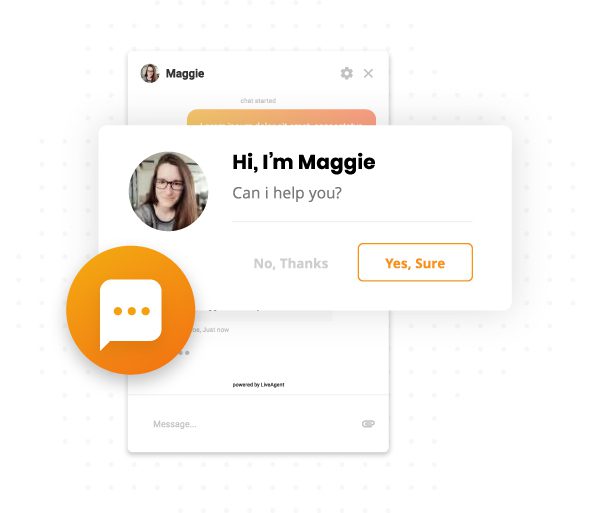
Automated customer service tools: Automation tools such as chatbots and virtual assistants can provide instant responses to customer inquiries around the clock. They can handle common questions and tasks, freeing up human agents to deal with more complex issues. Platforms like LiveAgent utilize features such as automatic follow-ups which can be crucial for ensuring that no customer query goes unattended. These tools can also alert customers to updates, changes, or potential issues with their service or products.
Future of proactive customer service
The landscape of customer service is ever-evolving, with new technologies and methodologies reshaping how businesses interact with their clients. As we look towards the future, this anticipatory approach to customer care is set to become even more sophisticated, personalized, and integral to business success.
The direction of proactive customer service in the future
Several trends point towards the future direction of proactive customer service, but there are two that stand out among the rest:
Predictive analytics and AI
The integration of predictive analytics and AI is revolutionizing customer support, enabling businesses to deliver exceptional service by analysing data in real-time. These tools allow proactive assistance, reducing customer frustration and enhancing personalized experiences through product recommendations and self-service resources.
By leveraging customer surveys, social media channels, and other communication channels, businesses can optimize feedback loops, improve response rates, and address customer questions effectively. This reduces reliance on customer service agents for routine inquiries, focusing their efforts on complex issues.
With predictive insights, companies can prevent customer churn, boost retention rates, and provide a seamless experience, resulting in happier customers across a wide range of industries.
Hyper-personalization
Future proactive customer service strategies will focus on hyper-personalization, delivering a tailored customer journey based on individual preferences and behaviours. By leveraging data from CRM systems and AI algorithms, businesses can anticipate customer preferences and provide proactive recommendations, offers, and solutions that resonate with each customer on a personal level.
How is AI changing the landscape of proactive customer service?
AI is revolutionizing proactive customer service by enabling businesses to deliver personalized, anticipatory support at scale. One example of AI-driven proactive customer service is the use of predictive analytics in the airline industry.
Airlines are leveraging AI algorithms to analyse flight data, weather patterns, and historical customer behaviour to predict potential flight delays or cancellations. By proactively notifying passengers of these issues and offering alternative options, airlines can minimize disruptions and enhance the overall travel experience.
In the future, AI will continue to transform proactive customer service by enabling businesses to anticipate and meet customer needs with unprecedented accuracy and efficiency.
Conclusion
In our exploration of proactive customer service, we’ve uncovered a fundamental shift in how businesses engage with their customers. No longer content with reactive approaches, companies are now proactively addressing customer needs before they arise, fostering trust and loyalty in the process. By leveraging data insights and innovative technologies, proactive strategies not only enhance customer satisfaction, but also drive operational efficiencies and cost savings.
As the competitive landscape evolves, proactive customer service emerges as a necessity rather than a choice. Forward-thinking companies recognize the value of anticipating customer needs and delivering personalized, anticipatory support. With advancements in predictive analytics and AI-driven solutions, businesses have unprecedented opportunities to elevate the customer experience and set themselves apart from the competition.
Looking ahead, the future of customer service lies in harnessing the power of technology to deliver proactive, personalized interactions. As you navigate this transformative customer journey, consider embracing proactive strategies to cultivate long-term relationships with your customers. Ready to embark on this path? Start your LiveAgent 30-day free trial today, and take your first steps towards proactive customer service.
Share this article
Viktor is a developer and technical content contributor at LiveAgent, focused on creating informative content about help desk software and customer service solutions.
Viktor Zeman
Developer
Frequently asked questions
A proactive support strategy involves anticipating customer needs and addressing issues before they arise. It focuses on preventing problems rather than reacting to them after they occur.
Proactive customer service problem-solving entails identifying potential customer service issues before they escalate and taking preemptive action to resolve them. It aims to prevent customer dissatisfaction and enhance their experience.
The 5 P's of being proactive are: Predict, Plan, Prepare, Prevent, and Proact. These principles guide proactive behaviors and strategies to anticipate and address customer needs effectively.
To train your customer service team for proactive customer support, educate them on the importance of proactive service. Provide training on anticipating customer needs, encourage proactive communication, and lead by example in demonstrating proactive behaviors.
Proactive Live Chat Templates + Complete Guide for Success
Discover the power of proactive live chat with templates and best practices to enhance customer support, improve engagement, satisfaction, and conversion rates....
Boost customer service satisfaction with strategies, CSAT tools, and LiveAgent to exceed expectations. Learn how to measure and improve satisfaction metrics.