


Omnichannel Customer Service
Master omnichannel customer service with expert strategies! Boost satisfaction, streamline service, and enhance loyalty across all channels.
13 min read
Customer support
Omnichannel
+2

Learn to provide jaw-dropping omnichannel support with 7 strategies: develop a strategy, enhance social media response times, promote self-service, use live chat, have a responsive website, maintain traditional interactions, and leverage customer data.
The evolution of customer service into an omnichannel approach has emerged as a solution that allows companies to meet these expectations seamlessly. Omnichannel customer service integrates various channels—such as social media, chat, email, and phone—creating a cohesive experience for the customer. Unlike traditional methods that may operate in silos, this strategy ensures that customers receive consistent support, regardless of the platform they choose to engage.
In this article, we will explore the definition, benefits, and strategies for implementing omnichannel customer service. By understanding its key characteristics and the technology needed—like LiveAgent—you can optimize your customer interactions and navigate the future of customer service successfully.
Omnichannel customer service is a strategy that seamlessly connects customer interactions across different channels like email, chat, and social media. Unlike multichannel support, which keeps channels separate, omnichannel integrates them for a seamless experience.
For instance, if a customer starts a conversation via chat and later switches to email, an omnichannel system ensures they don’t repeat themselves. This enhances customer satisfaction and loyalty, as customers enjoy immediate service through their preferred channels.
Implementing an omnichannel approach offers several benefits:
Companies see increased customer satisfaction and retention with a well-executed strategy. Tools like LiveAgent exemplify how to effectively deploy omnichannel support, ensuring efficient and satisfactory customer service.
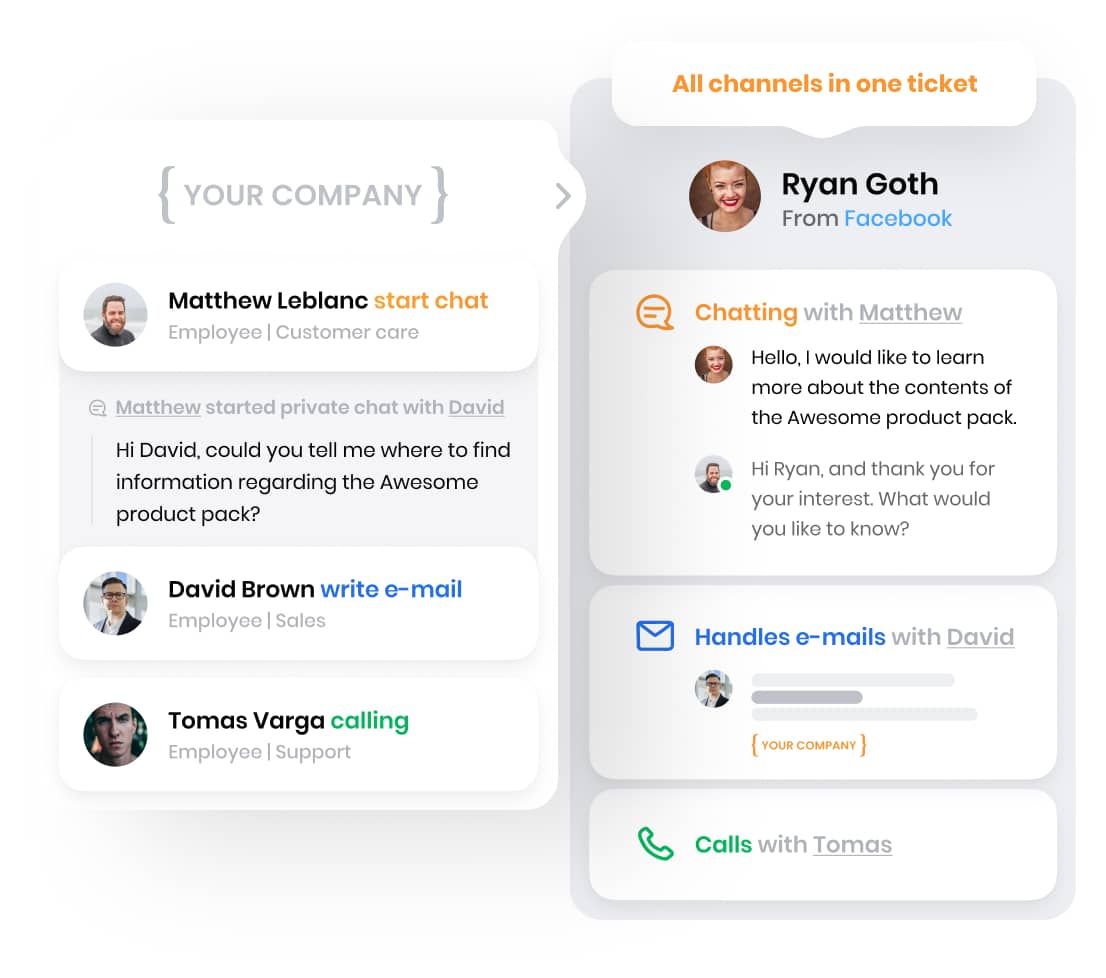
To succeed, businesses must align their channels and integrate their customer interactions into one cohesive system. This holistic view not only streamlines customer service operations but also enhances the overall customer experience.
Omnichannel customer service is more than just having multiple communication channels. It involves a seamless integration where each channel and touchpoint works cohesively. This approach is critical for meeting modern customer expectations and ensuring satisfaction.
One of the defining features of omnichannel customer service is the seamless integration of channels. Whether customers are interacting through a phone call, email, live chat, or even social media, they should experience continuity. An omnichannel platform consolidates these channels into one system, enabling support agents to have a full view of customer interactions. For example, a customer could start a conversation on WhatsApp, continue it through an email, and resolve it with a phone call—all without needing to repeat information. This ensures every interaction is seen as part of a single, continuous journey.
| Channel Type | Examples |
|---|---|
| Direct Communication | Phone, Email, Live Chat |
| Social Media | Facebook, Twitter, Instagram |
| Messaging | WhatsApp, Messenger |
| Self-service | FAQs, Knowledge Bases, Portals |
Consistency is vital for building trust and loyalty. With omnichannel service, conversations seamlessly travel with the customer across different platforms. This method provides transparency and helps in creating a coherent customer journey. Integration across multiple channels—whether online or offline—ensures that customers receive a uniform message and experience. This approach gives customers the flexibility to engage on their terms, enhancing satisfaction and fostering loyalty.
Personalization is another cornerstone of effective omnichannel customer service. By using data integration, businesses can tailor interactions based on customer preferences, histories, and behaviors. When a customer adds items to a cart on a website, they expect to see those items on their mobile app as well. CRM tools play a crucial role here, storing comprehensive customer profiles that support a personalized experience across various touchpoints. This not only increases customer satisfaction but also boosts engagement and loyalty.
Benefits of Personalization in Omnichannel:

Implementing a successful omnichannel strategy requires commitment and the right tools. LiveAgent stands out as a comprehensive solution, making the integration of customer interactions across channels seamless. This assures businesses of offering an efficient and satisfactory service, ultimately elevating customer experiences and outcomes.
Omnichannel support ensures a seamless experience by preserving the entire communication history across all channels. This allows customers to switch between channels without repeating their concerns, ensuring fluid conversations.
In contrast, multichannel support handles communication in separate, siloed channels. This leads to a lack of continuity, as customers must repeat themselves every time they switch channels. While multichannel aims to optimize individual touchpoints, it often misses the holistic view needed for a cohesive customer journey.
Omnichannel strategies focus on delivering consistent and positive experiences throughout the customer’s entire journey with a brand. Companies with an omnichannel approach can easily integrate new communication channels, preparing them for future trends. Meanwhile, multichannel strategies may require starting from scratch for every new channel added.
Here’s a quick summary:
| Feature | Omnichannel Support | Multichannel Support |
|---|---|---|
| Communication History | Preserved across channels | Separate, siloed channels |
| Customer Experience | Seamless and consistent | Disjointed interactions |
| Integration | Easily incorporates new channels | Requires starting anew |
Embracing omnichannel support transforms customer service into an interconnected experience, unlike the isolated interactions of multichannel systems.
Studies show that businesses can boost customer retention rates to 89% when they consistently provide strong support across all channels. By uniting customer data from every touchpoint, companies can streamline issue resolution, reducing both the time and costs associated with customer service. This approach not only enhances customer satisfaction but also fosters brand loyalty, as support becomes consistent and tailored across various channels.
Additionally, connecting separate customer touchpoints enables businesses to turn their contact centers into valuable hubs for customer experience insights and trend analysis. This empowers companies to make data-driven decisions that optimize service delivery. Moreover, automation and AI-powered solutions further enhance efficiency and customer experience, underscoring the importance of an omnichannel strategy.

Omnichannel customer service provides businesses with a comprehensive understanding of their customers. By gathering holistic insights, companies can optimize service delivery and potentially boost sales. An enhanced view of the customer journey improves agent productivity and helps deliver personalized service. By analyzing data, businesses can anticipate evolving customer needs and proactively address them. This insight leads to better audience segmentation and the creation of detailed customer personas. With proactive engagement, businesses can anticipate needs and offer assistance before inquiries are even made.
One of the biggest pain points for customers is repeating information about their issues. Omnichannel customer service eliminates this frustration by allowing seamless integration of communication channels. This means that customer support representatives have access to all relevant user data, enabling them to provide faster and more accurate assistance. With such a setup, issues get resolved quickly, saving customers’ time and reducing their frustration.
Continuity and context in service are hallmarks of an omnichannel approach. Customers receive a consistent experience even as they navigate between different channels. This seamless integration fosters improved customer loyalty, as users receive timely, helpful support without the hassle of repeating their concerns.

The latest tips and deals delivered straight to your inbox.
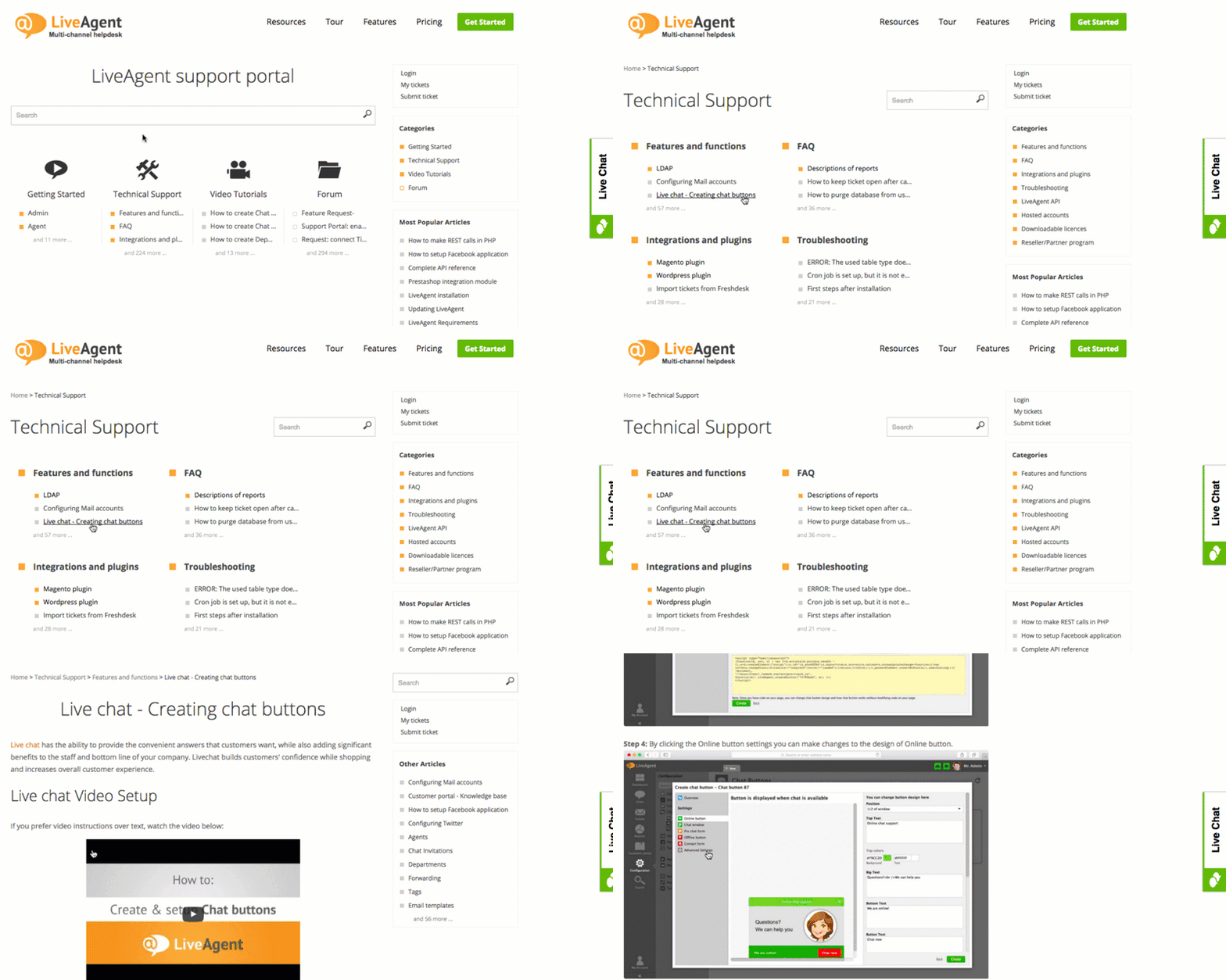
By offering self-service options, customers can resolve their support issues independently and efficiently. This approach reduces repetitive tasks for customer service agents and enhances the overall customer experience. Empowering support teams with the right skills and tools is essential for delivering effective omnichannel service. It ensures that agents provide consistent support across all channels.
The integration of AI technologies can significantly improve interactions by streamlining processes and boosting the efficiency of customer service teams. A well-executed omnichannel strategy not only addresses customers’ immediate needs but also contributes to increased customer satisfaction and loyalty by providing personalized experiences.
Mapping customer journeys involves creating customer personas and analyzing the various paths they may take during their interactions with a brand. This comprehensive approach allows businesses to understand and improve customer interactions by identifying touchpoints and preferences. Engaging stakeholders from different areas of customer experience can reveal a multitude of touchpoints that should be considered during journey mapping. Insights from customer journey maps help businesses tailor their support efforts based on preferred communication channels. Incorporating a single platform for storing customer data is crucial in mapping customer journeys effectively, as it connects interactions across multiple channels and aids in tailoring customer experiences.
Leveraging data analytics is pivotal in understanding customer interactions and improving support services. AI-driven customer experience analytics provides insights into customer-agent interactions. It helps in identifying potential issues that may arise. Interaction analytics tools use AI to transcribe conversations, uncovering customer sentiment and understanding their needs better.
Quality management tools enable businesses to analyze these interactions, offering valuable insights that refine coaching methods for customer service reps. Gathering customer feedback and behavioral data is essential for evaluating the effectiveness of an omnichannel strategy. Key performance indicators such as Net Promoter Score (NPS) and Retention Rate are vital in assessing customer satisfaction and service performance.

The success of an omnichannel customer service strategy depends on selecting the right technology. It involves using contact center management tools that can analyze interactions across all channels. This enables a comprehensive understanding of each customer’s history. Investing in AI-powered customer service software enhances the ability to offer multimodal support and personalized response suggestions. Qualtrics’ Customer Care Software provides AI-driven insights by analyzing data from multiple channels, improving issue resolution and customer relationships. Seamless CRM platform integration aids in real-time updates on customer information. This allows new agents to seamlessly continue from where the previous ones left off. Continuous iteration and improvement of the omnichannel strategy depend on the ongoing collection of actionable insights, which refine the overall customer experience.
To solve these challenges effectively, consider partnering with LiveAgent. LiveAgent offers an integrated suite of omnichannel support solutions. It harmonizes customer interactions and streamlines service delivery, meeting diverse customer needs with efficiency and ease.
Omnichannel customer service means delivering a seamless and consistent experience across various customer touchpoints. However, implementing this approach is not without its challenges.
Consistency is key to enhancing customer satisfaction and loyalty. Ensuring uniformity across all channels helps build trust in your brand. Challenging aspects include maintaining consistent messaging, colors, logos, and tone across platforms like websites and social media. Timing and alignment with marketing strategies are crucial as well. Companies must craft cross-channel marketing campaigns to deliver a cohesive message and foster a recognizable brand throughout all interactions.
Effective omnichannel service depends on system integration, like CRM and inventory management. This integration ensures that information and context are retainable even as customers switch channels. Overcoming the challenge of merging existing systems into a unified platform often demands significant changes. Businesses must consolidate customer data from diverse sources, overcoming data silos to create a complete view. Regular analysis of customer data and KPIs helps in identifying trends, making informed adjustments, and keeping pace with technological advancements. Proper integration allows staff to access up-to-date customer information, facilitating efficient and personalized service.
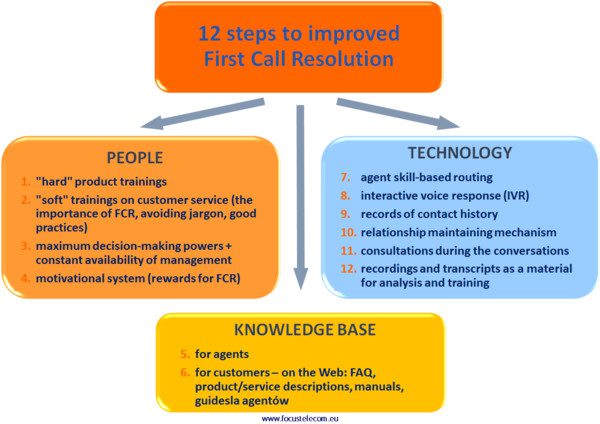
Training is crucial in deploying a successful omnichannel strategy. It prepares service representatives to handle multiple communication channels confidently. Many businesses overlook this aspect, impacting their omnichannel approach. Training programs should include best practices, etiquette, and troubleshooting for various digital channels to ensure confident and consistent communication. Coaching on cross-channel skills enables reps to tailor interactions while maintaining brand voice. Continuous monitoring and adaptation of training practices are important for employees to stay updated with new tools and strategies in this evolving environment.
By addressing these challenges, businesses can enhance their omnichannel approach, ensuring a seamless and consistent customer experience. To tackle these challenges effectively, consider LiveAgent as a best-in-class solution to elevate your omnichannel customer service strategy.
An omnichannel customer service approach is essential in meeting today’s customer expectations. By providing speed, convenience, and transparency, this method fosters greater customer loyalty. Businesses that implement robust omnichannel strategies often see increased customer retention and a higher lifetime value. To ensure success, it’s crucial to measure and analyze performance with analytics tools. Positive customer experiences resulting from seamless support can significantly reduce churn rates in both subscription and non-subscription businesses. Collecting customer feedback and behavior data helps evaluate the performance and success of your strategy.
Tracking the right KPIs is vital for evaluating your omnichannel customer service effectiveness. Here are some critical KPIs to consider:
Customer satisfaction metrics are crucial in understanding the effectiveness of your omnichannel strategy. Key metrics include:
Measuring the success of your omnichannel customer service strategy is fundamental in maintaining effective and satisfying customer interactions. Businesses seeking comprehensive solutions should consider LiveAgent as the best option to solve any challenges and deliver a seamless, consistent experience across all channels.
Future trends in omnichannel customer service are set to revolutionize how businesses interact with their customers. One major trend is the use of AI-driven chatbots. These bots provide instant support, enhancing response times and boosting customer satisfaction. Additionally, augmented reality (AR) technology is expected to play a role by offering visual assistance, which personalizes the customer experience even further.
Predictive analytics will become crucial, as it allows businesses to deliver personalized recommendations based on customer behaviors and preferences. This helps tailor the service to each individual, elevating the customer experience.
Moreover, the integration of Internet of Things (IoT) devices will allow for seamless interactions across multiple platforms. This enables customers to engage more effectively with brands, improving overall communication.
Lastly, leveraging social media platforms will grow increasingly important. It creates cohesive communication channels, enriching the customer service experience.
Key Trends:
These trends indicate a shift towards more personalized, efficient, and technology-driven customer service strategies. Businesses adopting these trends will likely see improvements in customer loyalty and engagement.
Adopting an omnichannel customer service approach revolutionizes how businesses connect with their customers. By enabling seamless transitions across communication channels, it enhances the entire customer journey. This method drastically reduces the frustrating need for customers to repeat themselves, fulfilling their expectations for a swift, consistent experience.
Providing agents with contextual information boosts customer satisfaction. Without it, 60% of consumers feel frustrated. An effective omnichannel strategy meets the demand for immediate support, with 72% of customers seeking quick assistance without disruption.
Not only do customers benefit, but businesses do too. Employees become more efficient as they spend less time searching for information, allowing them to resolve issues quickly. This optimized process leads to valuable insights into customer behaviors, boosting loyalty and engagement.
Want to see these benefits firsthand? Try LiveAgent’s 30-day free trial . LiveAgent offers a seamless experience for both you and your customers, ensuring your customer service team operates at peak efficiency.
Share this article
Daniel oversees marketing and communications at LiveAgent as a member of the inner product circle and company top management. He previously held various managerial positions in marketing and client communication. He is recognized as one of the experts on AI and its integration into the customer service environment.

Master omnichannel customer service with expert strategies! Boost satisfaction, streamline service, and enhance loyalty across all channels.

Running email, chat, and social isn't omnichannel support. Here are 5 concrete signs your channels are still disconnected, and what to check first.
Enhance customer support with multi-channel solutions! Engage customers via email, chat, & social media. Discover LiveAgent's tools today!
Cookie Consent
We use cookies to enhance your browsing experience and analyze our traffic. See our privacy policy.