Motivating your customer service team is essential for maintaining high performance, reducing turnover, and ultimately delivering exceptional customer experiences. A motivated team is more engaged, productive, and committed to achieving business goals. In this guide, we’ll explore seven proven strategies to inspire and energize your customer service professionals.
1. Recognize and Celebrate Achievements
Recognition is one of the most powerful motivators for any employee. When team members feel their efforts are acknowledged and valued, they’re more likely to maintain high performance and stay committed to the organization.
How to implement recognition:
Public Acknowledgment: Celebrate wins in team meetings or company-wide communications. This boosts morale and sets a positive example for others.
Personalized Praise: Tailor recognition to individual preferences. Some employees prefer public recognition, while others appreciate private acknowledgment.
Tangible Rewards: Offer bonuses, gift cards, or extra time off for exceptional performance.
Performance Metrics: Track and highlight achievements like highest customer satisfaction scores, most resolved tickets, or best customer feedback.
Regular recognition creates a culture of appreciation where employees feel valued. This simple yet effective strategy can significantly boost motivation and create a positive work environment.
2. Provide Clear Career Development Opportunities
Employees are more motivated when they see a clear path for growth and advancement within the organization. Investing in professional development shows that you value your team members and are committed to their success.
Career development strategies:
Training Programs: Offer regular training on new skills, product knowledge, and customer service best practices.
Mentorship: Pair experienced agents with newer team members to facilitate knowledge transfer and professional growth.
Promotion Pathways: Clearly communicate how employees can advance from customer service representatives to supervisors, managers, or specialized roles.
Skill Development: Encourage certifications, workshops, and online courses relevant to their roles.
Internal Mobility: Create opportunities for employees to move into different departments or roles within the company.
By demonstrating that you invest in your team’s future, you foster loyalty and motivation. Employees who see growth opportunities are more engaged and committed to delivering excellent service.
3. Foster a Positive and Supportive Work Environment
The work environment significantly impacts employee motivation and satisfaction. A positive, supportive culture where team members feel valued and respected creates an atmosphere where motivation thrives.
Creating a positive work environment:
Open Communication: Encourage two-way dialogue where employees feel comfortable sharing ideas, concerns, and feedback.
Team Collaboration: Promote teamwork and cooperation. Celebrate team wins, not just individual achievements.
Work-Life Balance: Respect boundaries and offer flexible scheduling when possible. Burnout is a motivation killer.
Supportive Management: Train managers to be approachable, empathetic, and supportive. A good manager can make all the difference.
Social Activities: Organize team-building events, casual gatherings, or virtual social activities to strengthen relationships.
A supportive environment reduces stress, increases job satisfaction, and creates a sense of belonging. When employees feel part of a caring community, their motivation naturally increases.
4. Set Clear Goals and Expectations
Ambiguity about job expectations and goals can lead to frustration and decreased motivation. Clear, achievable goals give employees direction and a sense of purpose.
Setting effective goals:
SMART Goals: Ensure goals are Specific, Measurable, Achievable, Relevant, and Time-bound.
Individual Goals: Set personalized goals that align with each employee’s strengths and career aspirations.
Team Goals: Create collective objectives that require collaboration and foster team spirit.
Regular Reviews: Conduct regular check-ins to discuss progress, provide feedback, and adjust goals as needed.
Transparency: Clearly communicate how individual goals contribute to broader team and company objectives.
When employees understand what’s expected and how their work contributes to success, they feel more motivated and engaged. Clear goals provide a roadmap for success and a way to measure progress.
5. Offer Competitive Compensation and Benefits
While not the only motivator, fair compensation and comprehensive benefits are fundamental to employee satisfaction and motivation. Employees who feel fairly compensated are more likely to stay with the organization and perform at their best.
Compensation and benefits strategies:
Market Research: Ensure your compensation is competitive within your industry and region.
Performance Bonuses: Tie bonuses to individual or team performance metrics to reward excellence.
Comprehensive Benefits: Offer health insurance, retirement plans, paid time off, and other benefits that matter to your employees.
Flexible Compensation: Allow employees to choose benefits that align with their personal needs.
Transparent Pay Structure: Clearly communicate how compensation is determined and what opportunities exist for increases.
Fair compensation demonstrates that you value your employees’ contributions and are committed to their well-being. This foundation of security and fairness enables other motivational strategies to be more effective.
6. Empower Employees with Autonomy and Decision-Making Authority
Micromanagement stifles motivation, while empowerment fosters engagement and ownership. When employees have the authority to make decisions and solve problems, they feel trusted and valued.
Empowering your team:
Decision-Making Authority: Give agents the power to resolve customer issues without excessive approval processes.
Problem-Solving Ownership: Encourage employees to identify problems and propose solutions.
Flexible Processes: Allow some flexibility in how work is completed, as long as quality standards are met.
Trust: Show confidence in your team’s abilities and judgment.
Learning from Mistakes: Create a safe environment where mistakes are learning opportunities, not punishable offenses.
Empowered employees take ownership of their work, feel more motivated, and often deliver better results. This autonomy also reduces the burden on management and creates a more efficient operation.
7. Maintain Open Communication and Regular Feedback
Consistent, constructive feedback and open communication channels are vital for maintaining motivation. Employees need to know how they’re performing and feel heard by management.
Effective communication practices:
Regular One-on-Ones: Schedule frequent individual meetings to discuss performance, concerns, and career goals.
Constructive Feedback: Provide specific, actionable feedback that helps employees improve and grow.
Active Listening: Listen to employee concerns, ideas, and suggestions without judgment.
Transparency: Keep employees informed about company changes, challenges, and successes.
Feedback Channels: Establish multiple ways for employees to provide feedback, including anonymous surveys.
Act on Feedback: Show that you take employee input seriously by implementing suggestions when appropriate.
Open communication builds trust, reduces misunderstandings, and helps employees feel valued. When people know their voices are heard and their feedback matters, motivation increases significantly.
The Impact of Motivation on Customer Service Quality
Motivated customer service teams deliver superior service, which directly impacts customer satisfaction and loyalty. Here’s how motivation translates to better customer experiences:
Improved Empathy: Motivated employees are more patient and empathetic with customers.
Faster Resolution: Engaged employees are more efficient and focused on solving problems quickly.
Better Attitude: Positive team morale creates a friendly, helpful demeanor that customers appreciate.
Lower Turnover: Motivated employees stay longer, providing consistency and expertise to customers.
Innovation: Engaged teams are more likely to suggest improvements and find creative solutions.
Measuring Team Motivation
To ensure your motivation strategies are working, track key metrics:
Employee Satisfaction Scores: Conduct regular surveys to gauge overall satisfaction and morale.
Turnover Rates: Monitor how many employees leave the organization. High turnover indicates motivation issues.
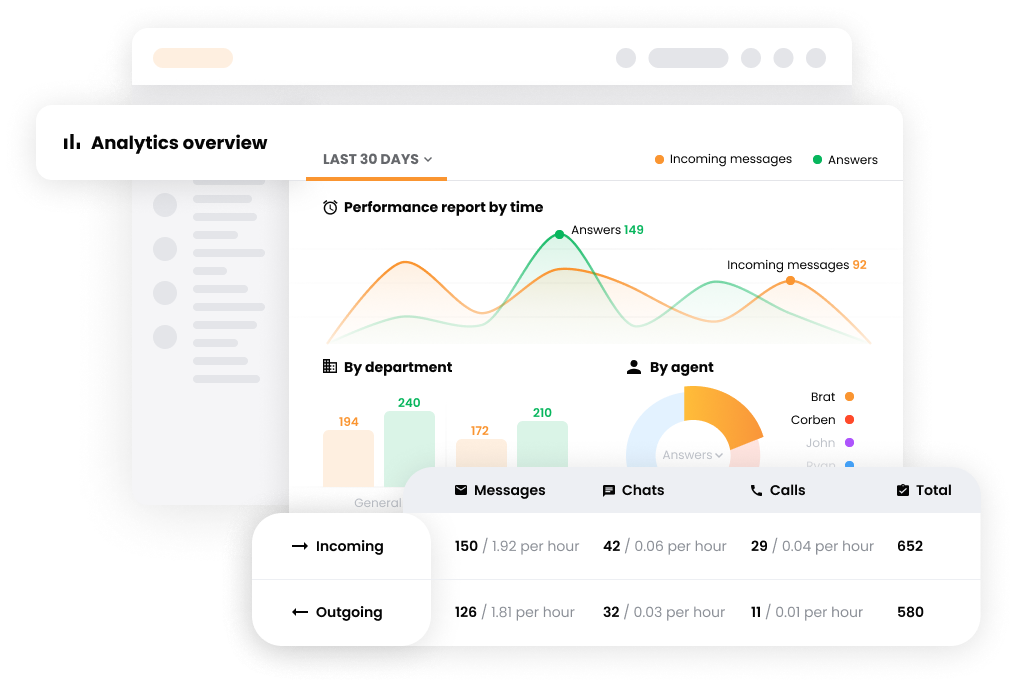
Performance Metrics: Track customer satisfaction scores, resolution rates, and other KPIs that reflect team performance.
Engagement Levels: Assess participation in training, team activities, and company initiatives.
Absenteeism: Increased absences can indicate declining motivation.
Conclusion
Motivating your customer service team is an ongoing process that requires attention, investment, and genuine care for your employees’ well-being. By implementing these seven strategies—recognizing achievements, providing career development, fostering a positive environment, setting clear goals, offering competitive compensation, empowering employees, and maintaining open communication—you create a workplace where motivation thrives.
A motivated team is more productive, delivers better customer service, and contributes to your organization’s success. The investment you make in your team’s motivation pays dividends in improved customer satisfaction, reduced turnover, and a stronger bottom line.
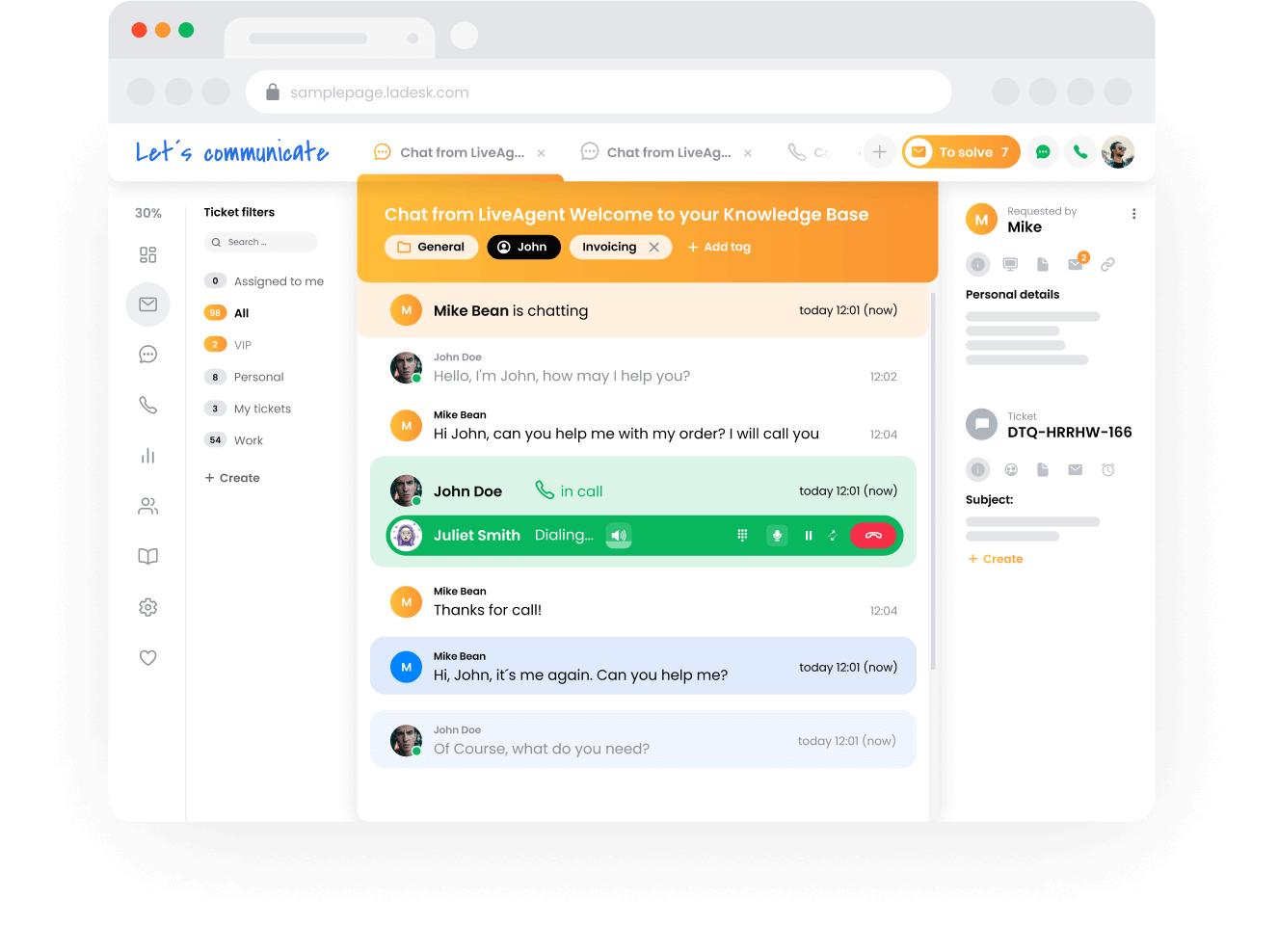
Ready to transform your customer service team? Start by implementing one or two of these strategies and build from there. With tools like LiveAgent, you can streamline workflows, track performance metrics, and create an environment where your team can thrive. Try our 30-day free trial today and see how we can help you build a motivated, high-performing customer service team.
Share this article
Lucia is a talented WordPress content editor who ensures the seamless publication of content across multiple platforms.
Lucia Halašková
WordPress Content Editor
Frequently asked questions
The most effective ways include recognizing achievements, providing growth opportunities, fostering a positive work environment, offering competitive compensation, setting clear goals, and maintaining open communication. Combining intrinsic and extrinsic motivators creates the strongest impact on team morale and performance.
Motivated employees deliver better service, show more empathy, and handle customer interactions with greater patience and professionalism. This directly translates to higher customer satisfaction scores, improved retention rates, and positive word-of-mouth referrals.
Recognition is crucial for motivation as it validates employee efforts and contributions. Regular acknowledgment of achievements, whether through public praise, bonuses, or promotions, boosts morale, increases engagement, and encourages continued high performance.
During challenging times, maintain motivation by communicating transparently about challenges, celebrating small wins, providing additional support and resources, recognizing effort over results, and maintaining focus on long-term goals. Regular check-ins and showing genuine care for employee well-being are essential.
A positive work environment directly influences motivation levels. Factors like supportive management, collaborative culture, work-life balance, professional development opportunities, and recognition create an atmosphere where employees feel valued and motivated to perform at their best.
99+ motivational quotes to inspire your customer service teams on a daily basis
Discover over 99 motivational quotes to inspire and uplift customer service teams, fostering a customer-centric culture and enhancing relationships. These quote...
Building a customer service team: Comprehensive guide
Learn how to build an effective customer service team with our comprehensive guide covering structure, hiring, training, technology, and performance metrics.
Explore the top 8 customer service books focusing on writing skills and customer psychology from entrepreneurs like Sam Walton and Jeff Bezos. Enhance communica...
9 min read
CustomerService
Training
+3
You will be in Good Hands!
Join our community of happy clients and provide excellent customer support with LiveAgent.